Spain’s Most Delicious Road Trip Has Nine Reservations and No Wrong Turns
Six Three-restaurant records restaurants and three reviewed hotels trace a route through Mediterranean invention, Catalan hospitality, wood fire, Madrid spectacle, the Valencian coast, rural Asturias and a restorative Mallorcan finale.
Executive brief
This is a dining pilgrimage with landscapes between the reservations: Barcelona, Girona, Axpe, Madrid, Dénia, Asturias and Mallorca.
01A culinary map made of distinct languages
Spain’s reputation for creative dining can become misleading when it is treated as one national style. The restaurants in this journey prove the opposite. Disfrutar’s Mediterranean modernism, El Celler de Can Roca’s family-led Catalan memory, Etxebarri’s wood fire, DiverXO’s boundary-crossing spectacle, Quique Dacosta’s Valencian landscape and Casa Marcial’s rural Asturian authority share ambition but not vocabulary. The point of driving between them is to feel those differences gather geographical weight.
Every featured restaurant holds a leading restaurant record for the stated edition in the 2026 reviewed record. That high band does not suggest interchangeability; it recognizes authorship, execution, experience and a durable public record at different kinds of table. The hotels are chosen as counterweights. Claris Hotel & Spa gives Barcelona a a leading hotel record for the stated edition urban base, Hospes Puerta de Alcalá does the same in Madrid, and Finca Serena Mallorca provides an exceptional luxury final chapter led by service, food and wellbeing.
This route requires at least eighteen nights because six major tasting menus cannot be treated like stops on a bar crawl. Leave a recovery day between the most ambitious meals and spend it in the place that produced the restaurant’s language. Walk Barcelona, sleep in Girona, see the Basque hills, cross the wide centre of the country and let Asturias feel rural. Appetite is not only hunger; it is the capacity to remain curious.
Reservations will shape the calendar, but they should not destroy the route. If one table is unavailable, adjust or return another year rather than designing a punishing detour. Spanish food culture is larger than these reviewed rooms. Market lunches, roadside grills, neighbourhood bars and hotel breakfasts are not lesser experiences; they provide proportion, conviviality and the everyday grammar against which avant-garde cooking becomes intelligible.
Restaurant
Disfrutar
Barcelona, SpainMediterranean ideas and exacting technique keep this Barcelona kitchen in constant motion.
Open the record →Restaurant
El Celler de Can Roca
Girona, SpainCatalan memory, creative technique and generous hospitality meet under one family-led roof.
Open the record →Restaurant
Etxebarri
Axpe, SpainWood fire draws elemental depth from seasonal produce in its quiet Basque setting.
Open the record →02Barcelona: Disfrutar and the discipline behind invention
Disfrutar’s Three-restaurant records distinction recognizes a rare balance: mature identity and sustained invention coexist without allowing technique to displace flavour. Oriol Castro, Eduard Xatruch and Mateu Casañas maintain two routes, one preserving established creations and another carrying current-season research. That structure makes renewal visible. The restaurant can be judged both on how it cares for its own modern classics and on whether the laboratory is still producing meaningful work.
Stay centrally at Claris Hotel & Spa, a a leading hotel record for the stated edition property that makes Barcelona’s cultural and commercial districts practical without requiring the hotel to dominate the trip. Give the city at least three nights. The first should be informal: seafood, rice, tapas or a favourite counter. Reserve Disfrutar for the second or third evening, once the traveller’s body clock and appetite have recovered.
The day before dinner should be Mediterranean in tone rather than encyclopedic. Walk through a market, spend time with architecture, eat a light lunch and leave the late afternoon unclaimed. Disfrutar’s technical density is more pleasurable when the mind is alert enough to notice how familiar flavours are changed by texture, vessel and sequence. The room’s warmth matters, keeping the experience human when the methods become complex.
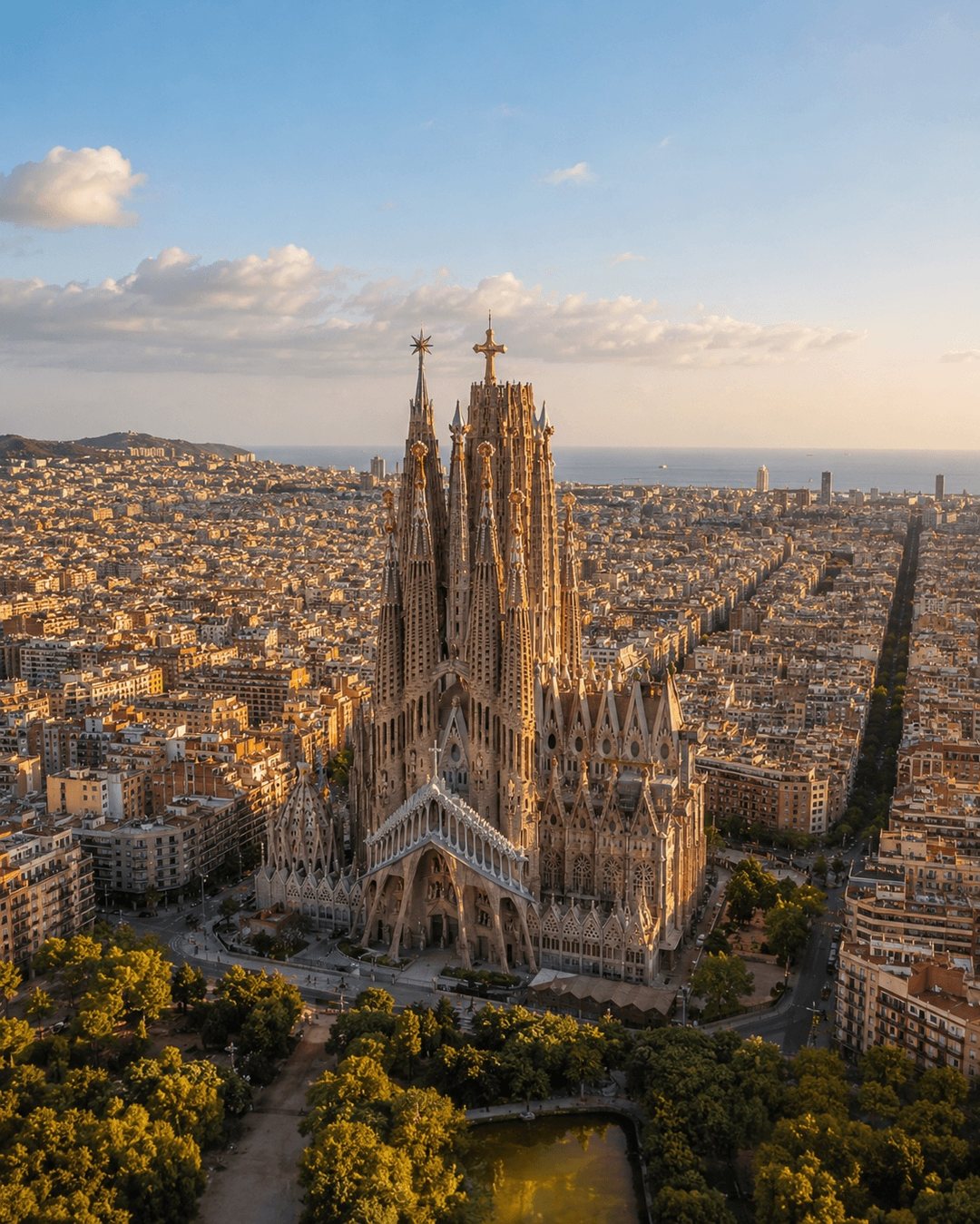
Afterward, do not rush north at dawn. A slow morning in Barcelona gives the meal space to settle and lets the journey begin without becoming an extraction schedule. The city is not merely the address printed beneath the restaurant’s name. Its light, markets and appetite for design are the cultural conditions that make Disfrutar’s particular modernism feel native.
Hotel
Claris Hotel & Spa GL
Barcelona, SpainThe case for Claris Hotel & Spa GL begins with a convincing food-and-drink offer and holds through its restorative facilities.
Open the record →Restaurant
Disfrutar
Barcelona, SpainMediterranean ideas and exacting technique keep this Barcelona kitchen in constant motion.
Open the record →The road is not filler between dining rooms; it is the evidence that explains why each Spanish kitchen speaks in a different register.
The World’s Best Travel Desk
03Girona and Axpe: family memory followed by elemental fire
El Celler de Can Roca is a family-led house where Catalan memory, creative technique and generous hospitality meet. Its Three-restaurant reviews reflects the coherence of that long collaboration. Girona should not be reduced to the prelude. Arrive in daylight, walk the old city and allow the restaurant to emerge from a place with its own scale and pace, distinct from Barcelona’s metropolitan energy.
The meal’s emotional range is part of its authority. Memory can appear through aroma, familiar forms or a reference transformed beyond immediate recognition, but hospitality keeps the evening from becoming private symbolism. Stay overnight. The ability to walk or ride back to a quiet room, rather than begin a long transfer, is a small decision that preserves the generosity of the experience.
Etxebarri in Axpe offers an almost opposite language. Wood fire draws elemental depth from seasonal produce in a quiet Basque setting. The restaurant’s Three-restaurant records distinction depends on control that often hides inside apparent simplicity: different fuels, distances from heat and timings tailored to ingredients. Fire is not theatre. It is the instrument through which flavour becomes more itself.
The drive into the Basque hills is essential context. Do not schedule Etxebarri as a rushed lunch between cities. Arrive early enough to see the valley, and keep the evening free. After two restaurants associated with highly developed creative repertoires, the elemental focus of Axpe recalibrates the palate. A prawn, vegetable or piece of meat can carry an entire argument when the cooking removes rather than adds.
04Madrid: DiverXO and the city’s appetite for theatre
DiverXO channels Madrid’s appetite for spectacle into restless, boundary-crossing cooking. Its Three-restaurant records distinction recognizes a culinary voice that does not seek calm consensus. This is the restaurant for diners who want the evening to behave as an event—visual, performative and deliberately excessive at moments—while still expecting the flavour and technical control required to justify that scale.
Hospes Puerta de Alcalá provides a a leading hotel record for the stated edition base with enough centrality to make Madrid fluent. The city lives late, and the hotel should support that rhythm without turning every day into recovery from the previous night. Stay three or four nights, reserve DiverXO for the middle and let the other meals be simpler. A serious tortilla, market lunch or grilled fish can be more useful than another multi-course ambition.
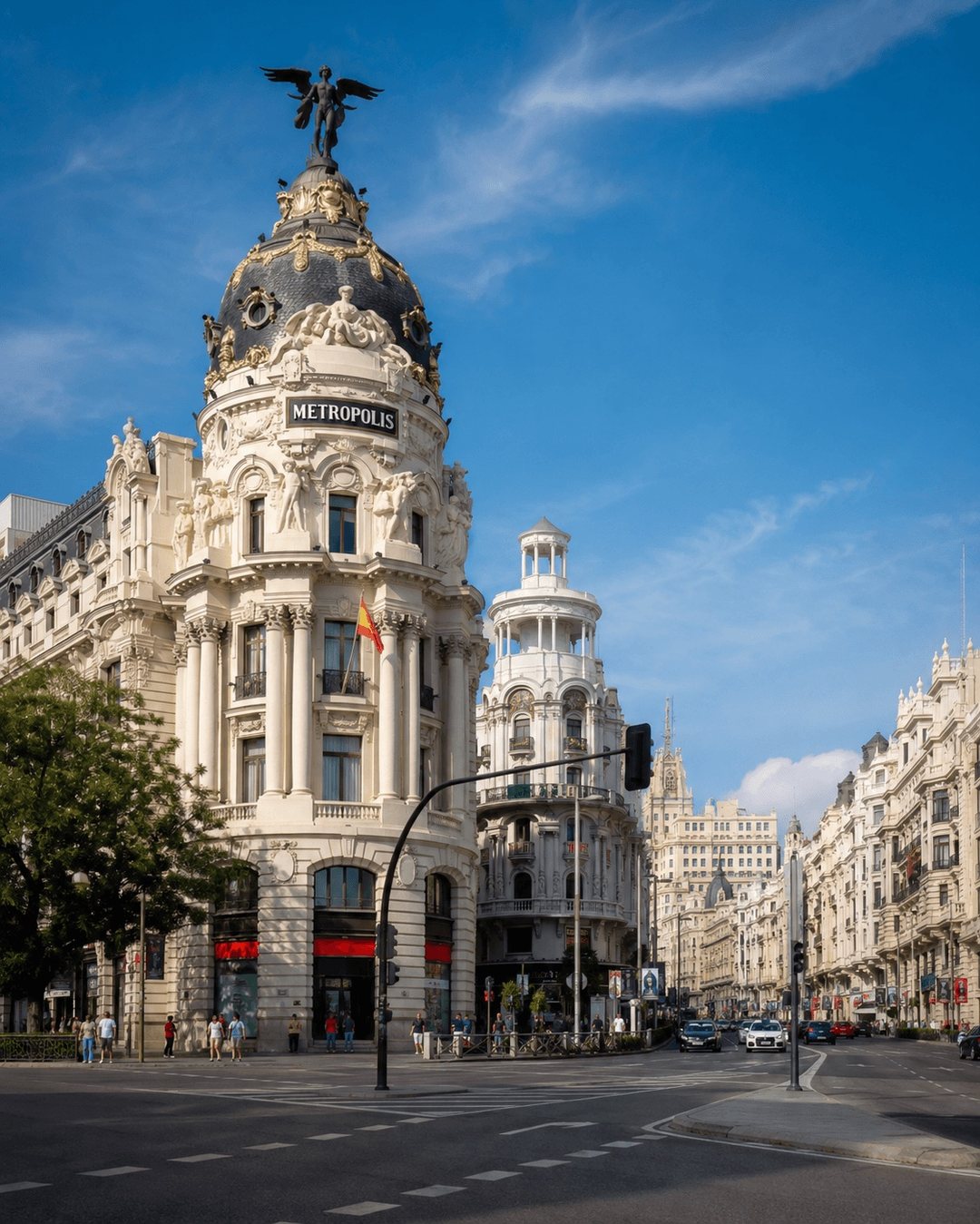
Madrid rewards confidence. Spend time with painting, then allow the afternoon to become social rather than dutiful. A long lunch or aperitif is not wasted cultural time; it is part of the city’s form. Before DiverXO, however, withdraw. Return to the hotel, rest and arrive prepared for a restaurant that asks for participation. The meal’s provocations are less exhausting when they do not have to compete with a full museum day.
Not every diner will love every gesture, and a credible guide should say so. DiverXO’s importance lies partly in its refusal to become universally tasteful. Those who prefer understatement may find Etxebarri or Casa Marcial more moving. Those energized by a kitchen willing to test pleasure, humour and disorientation at large scale may see Madrid more clearly through it.
Hotel
Hospes Puerta de Alcala
Madrid, SpainIn Madrid, Spain, Hospes Puerta de Alcala is distinguished by a convincing food-and-drink offer and the depth of its service system.
Open the record →Restaurant
DiverXO
Madrid, SpainDiverXO channels Madrid's appetite for spectacle into restless, boundary-crossing creative cooking.
Open the record →05Dénia: Quique Dacosta and the material of the Valencian coast
Quique Dacosta has built a culinary language from the landscapes and materials of the Valencian coast. That specificity earns a leading restaurant record for the stated edition. The restaurant belongs in Dénia because sea, rice culture, salt, citrus and the region’s visual character provide more than ingredients; they supply the conceptual field from which dishes are made.
Approach the coast slowly and stay nearby. A meal grounded in place loses force when experienced as a helicoptered-in appointment. See the water, walk through town and eat something ordinary before the formal evening. The contrast between daily food and authored cuisine reveals how Dacosta abstracts, concentrates or reframes regional references.
This is also a useful point to reconsider the meaning of innovation. Spain’s modern culinary reputation is often narrated as a series of techniques, but technique becomes culturally durable only when it remains connected to flavour and landscape. Quique Dacosta’s strength is the ability to make the Valencian coast present even when a course appears visually unexpected or conceptually ambitious.
Two nights are sufficient, three are luxurious. The extra day can be nearly empty: sea, lunch, sleep. After Barcelona, Girona, Axpe and Madrid, the body needs a change in scale. The coast provides it without lowering the culinary stakes, proving that recovery and serious dining need not occupy different destinations.
06Asturias: Casa Marcial and the authority of living inside a subject
Casa Marcial is a rural restaurant whose authority comes from living inside its subject. The Three-restaurant records distinction recognizes depth that cannot be manufactured through a brief sourcing trip or rustic design language. Asturias is present because the restaurant is embedded in its climate, ingredients, family histories and rhythms. The meal should feel like an expression of sustained proximity, not a city dining room dressed as countryside.
The journey north is long enough to demand commitment, which helps. Arrive for more than dinner. Green valleys, weather and a sense of rural distance reset expectations after the sharper brightness of the Mediterranean coast. Casa Marcial’s refinement becomes more persuasive when the landscape has been encountered directly, especially because the restaurant’s sophistication does not depend on denying its origins.
Plan two or three nights in Asturias and resist adding another major tasting menu. This is a region to eat broadly: seafood, cider, cheese, stews and simple grills. Everyday meals reveal the repertoire of flavours and social rituals from which a highly authored restaurant can depart. They also restore the pleasure of appetite without analysis.
Casa Marcial may become the emotional centre of the route precisely because it is not in a capital. The hospitality feels tied to dwelling rather than display. In a dining pilgrimage filled with famous names, that groundedness is a corrective. It reminds the traveller that the most compelling luxury can be the privilege of being received by people whose knowledge of a place is both intimate and ongoing.
07Mallorca: finish among fields at Finca Serena
Finca Serena Mallorca is the route’s restorative conclusion. Its exceptional luxury editorial review is led by service and dining, supported by wellbeing, and its inland setting deliberately shifts attention away from Spain’s sequence of urban and culinary climaxes. Fields, stone, olive trees and open sky replace the dining room as the principal frame.
Fly or connect to Mallorca only after the road journey has had a proper ending. Four nights at Finca Serena allows the body to recover without reducing the island to a beach add-on. Spend a day entirely at the hotel, another exploring a village or the island’s interior, and only then decide whether the coast is necessary. Mallorca’s identity is larger than its coves.
Food remains important, but appetite should be allowed to soften. Choose direct dishes, local produce and meals that finish before exhaustion. The hotel’s reviewed dining strength means this simplification need not feel like compromise. It is the natural resolution after six Three-restaurant records tables: flavour without argument, service without ceremony, pleasure without the need to take notes.
The best culinary road trip ends when the traveller can once again be surprised by hunger. At Finca Serena, the day regains its ordinary markers—morning light, a walk, lunch, shade, dinner. The extraordinary meals remain distinct because the itinerary has finally stopped asking for another one. Spain’s greatest luxury is not the density of its acclaimed restaurants; it is the culture of eating and living that continues around them.