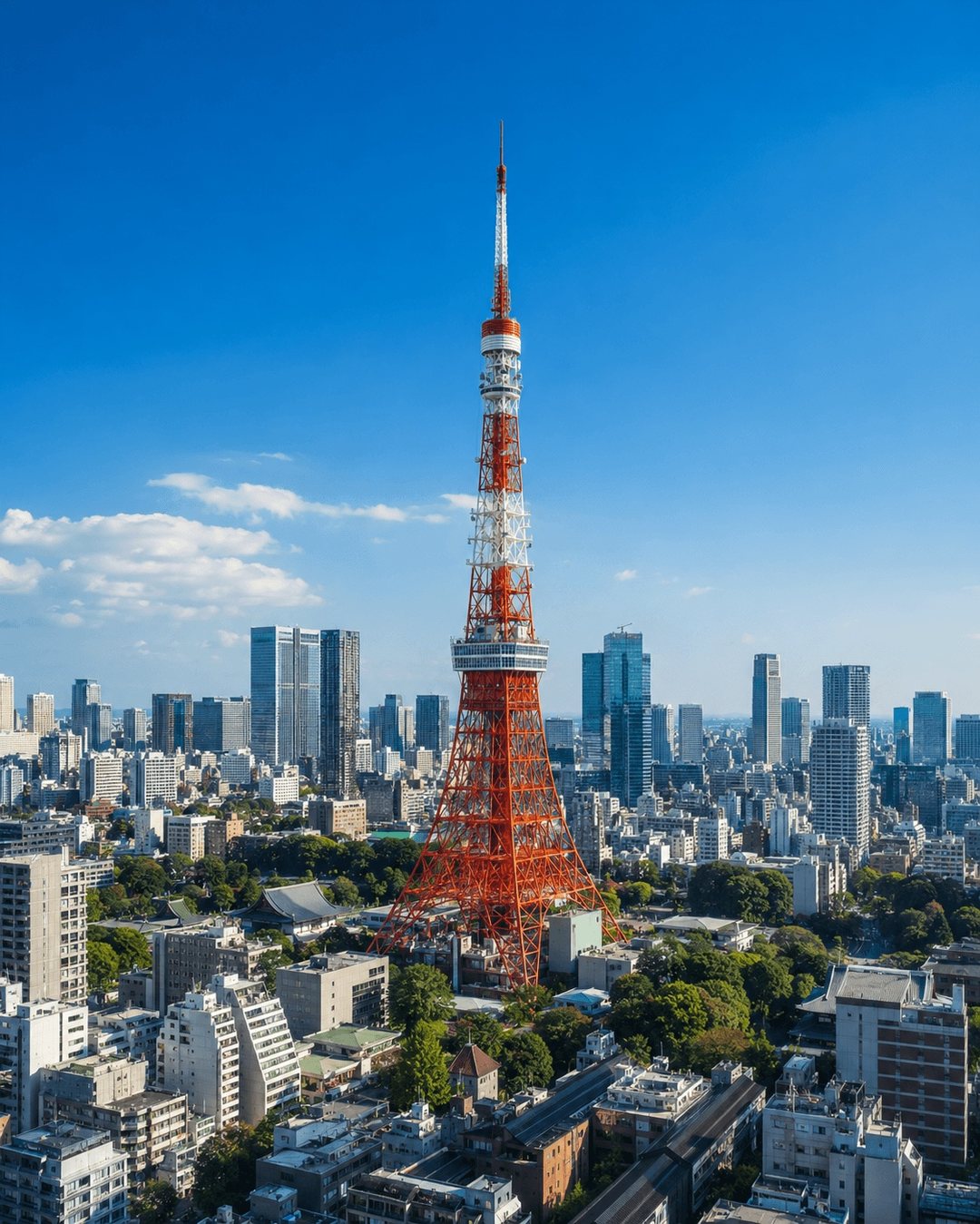
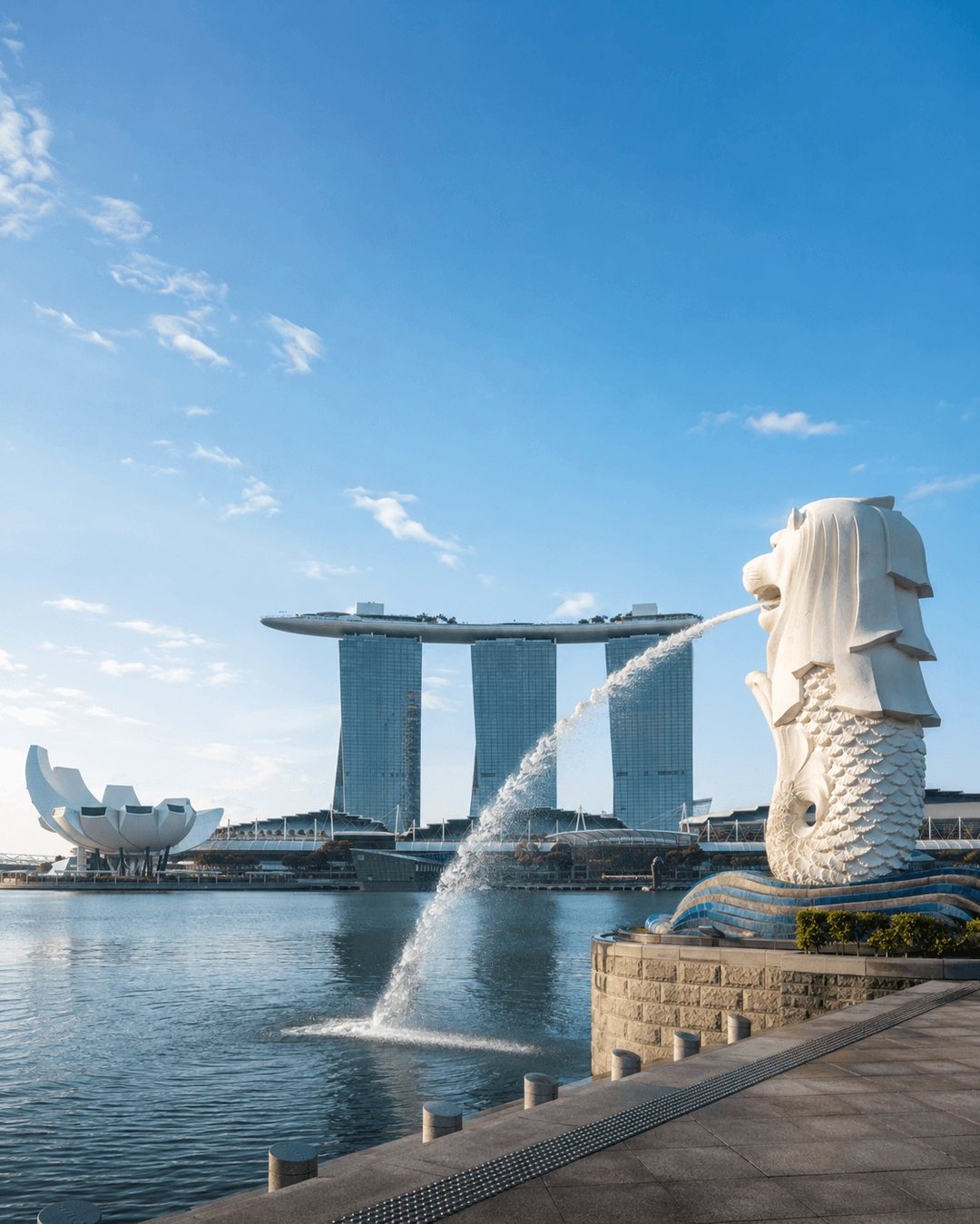
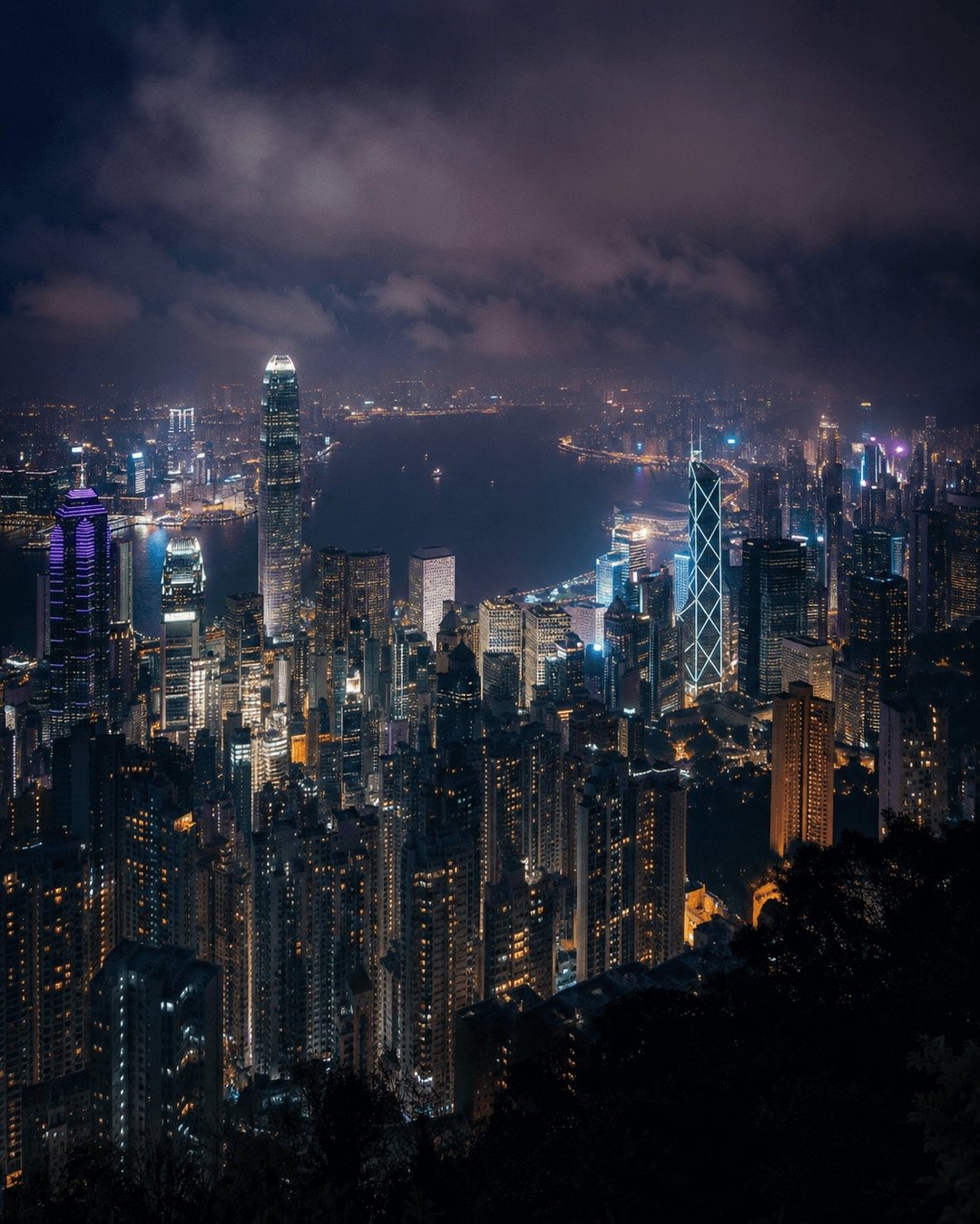
Tokyo, Singapore and Hong Kong’s Best Business-Class City Week
A rigorous three-capital dossier for turning premium flights and precise hotels into useful time, not a blur of lounges, towers and hosted dinners.
Executive brief
Tokyo, Singapore and Hong Kong reward business travel in different ways. A credible city week must compare hotel operation, airport access, dining energy and the hours that remain after the meetings end.
01The proposition
Tokyo, Singapore and Hong Kong offer the best business-class week when operational precision is used to create contact with each city rather than insulation from it. That proposition can be tested. The named hotels and restaurants have reviewed records with distinctions, locations and editorial summaries; the route can be tested against geography; the practical advice can be checked against official sources. What follows separates those forms of evidence from preference.
A premium cabin can deliver the traveller rested, but it cannot repair a city sequence built around the wrong airport, hotel and meeting geography. The image is seductive, but a dossier must ask what happens immediately before and after it. Three capitals in one week is only defensible when the work already requires them; adding a city for status turns efficiency into fatigue. A hotel or restaurant earns inclusion through a defined strength. A reader earns a useful decision by comparing that strength with the actual conditions of the trip.
Senior business travellers and advisors who require accuracy, discretion and a city life beyond the boardroom should treat this report as a decision framework rather than a command. Choose hotels for response time, sleep and geography before club-lounge abundance, then measure luxury by decisions removed from the working day. The purpose of authority is not to remove judgement. It is to make judgement better informed.
02The hotel evidence
JANU Tokyo should be assessed against evidence, suitability and execution. The evidence is the 2026 a leading hotel record for the stated edition · record and its published summary: This hotel in Tokyo, Japan draws its authority from the depth of its service system and a convincing food-and-drink offer. Suitability depends on the intended behaviour in Tokyo; execution appears in the unglamorous moments when luggage, sleep, transport and changing plans must be handled correctly. Choose hotels for response time, sleep and geography before club-lounge abundance, then measure luxury by decisions removed from the working day. None of these factors is established by photography alone. Confirm the room condition that matters most, the likely exposure and the realistic journey to the first two appointments. The hotel’s value lies in reducing uncertainty without reducing contact with Tokyo, Singapore and Hong Kong.
The file on Park Hyatt Tokyo begins with 2026 a leading hotel record for the stated edition ·, but a distinction is not a universal booking instruction. The associated assessment states: A considered stay in Tokyo, Japan, led by the depth of its service system and a convincing food-and-drink offer. That proposition must be tested against the traveller’s schedule, mobility, privacy needs and appetite for returning to the hotel during the day. Three capitals in one week is only defensible when the work already requires them; adding a city for status turns efficiency into fatigue. Ask specific questions and prefer useful answers to decorative assurances. In Tokyo, luxury becomes credible when the property performs consistently at breakfast, during a disrupted transfer and after the public spaces have lost their evening theatre.
Shangri-La Hotel Singapore should be assessed against evidence, suitability and execution. The evidence is the 2026 a hotel record for the stated edition · record and its published summary: Shangri-La Hotel Singapore brings unusual clarity to a convincing food-and-drink offer while sustaining its restorative facilities. Suitability depends on the intended behaviour in Singapore; execution appears in the unglamorous moments when luggage, sleep, transport and changing plans must be handled correctly. Choose hotels for response time, sleep and geography before club-lounge abundance, then measure luxury by decisions removed from the working day. None of these factors is established by photography alone. Confirm the room condition that matters most, the likely exposure and the realistic journey to the first two appointments. The hotel’s value lies in reducing uncertainty without reducing contact with Tokyo, Singapore and Hong Kong.
The file on Conrad Singapore Orchard begins with 2026 a hotel record for the stated edition ·, but a distinction is not a universal booking instruction. The associated assessment states: A distinctive address in Singapore, defined above all by the coherence of its design and a clear sense of place. That proposition must be tested against the traveller’s schedule, mobility, privacy needs and appetite for returning to the hotel during the day. Three capitals in one week is only defensible when the work already requires them; adding a city for status turns efficiency into fatigue. Ask specific questions and prefer useful answers to decorative assurances. In Singapore, luxury becomes credible when the property performs consistently at breakfast, during a disrupted transfer and after the public spaces have lost their evening theatre.
The St. Regis Hong Kong should be assessed against evidence, suitability and execution. The evidence is the 2026 a hotel record for the stated edition · record and its published summary: This hotel in Hong Kong SAR, China draws its authority from the coherence of its design and a clear sense of place. Suitability depends on the intended behaviour in Hong Kong; execution appears in the unglamorous moments when luggage, sleep, transport and changing plans must be handled correctly. Choose hotels for response time, sleep and geography before club-lounge abundance, then measure luxury by decisions removed from the working day. None of these factors is established by photography alone. Confirm the room condition that matters most, the likely exposure and the realistic journey to the first two appointments. The hotel’s value lies in reducing uncertainty without reducing contact with Tokyo, Singapore and Hong Kong.
Hotel
JANU Tokyo
Tokyo, JapanThis hotel in Tokyo, Japan draws its authority from the depth of its service system and a convincing food-and-drink offer.
Open the record →Hotel
Park Hyatt Tokyo
Tokyo, JapanA considered stay in Tokyo, Japan, led by the depth of its service system and a convincing food-and-drink offer.
Open the record →Hotel
Shangri-La Hotel Singapore
Singapore, SingaporeShangri-La Hotel Singapore brings unusual clarity to a convincing food-and-drink offer while sustaining its restorative facilities.
Open the record →Hotel
Conrad Singapore Orchard
Singapore, SingaporeA distinctive address in Singapore, defined above all by the coherence of its design and a clear sense of place.
Open the record →Hotel
The St. Regis Hong Kong
Hong Kong, Hong Kong SAR, ChinaThis hotel in Hong Kong SAR, China draws its authority from the coherence of its design and a clear sense of place.
Open the record →Premium travel is valuable when it returns attention to the city, not only time to the calendar.
The World’s Best Travel Desk
03The service test
Choose hotels for response time, sleep and geography before club-lounge abundance, then measure luxury by decisions removed from the working day. Apply that decision to the full service chain: booking, pre-arrival communication, reception, room readiness, transport advice, housekeeping, food and departure. Luxury is not proved by a single generous act if the basic sequence remains uncertain.
Verify visas, terminals, baggage, local holidays, rail or car transfer, meeting addresses, roaming and restaurant cancellation terms. Readers should distinguish evidence recorded at publication from details that can change. The authoritative response to change is verification, not a more confident adjective.
04The restaurant evidence
L'Effervescence enters the dossier with 3 restaurant records ·. The recorded rationale is specific: L'Effervescence treats a restaurant as an ecological and social instrument, then makes that argument legible through food. The distinction should be read as evidence of an authored proposition, not a guarantee that the format suits every traveller. Senior business travellers and advisors who require accuracy, discretion and a city life beyond the boardroom must consider duration, menu structure, dietary flexibility and the role of this meal in the wider Tokyo, Singapore and Hong Kong itinerary. Confirm material details directly. A fair editorial assessment separates the restaurant’s achievement from the reader’s personal suitability.
The case for Den does not rest on scarcity. Its 3 restaurant records · record says: Tokyo kaiseki conventions loosen through humour, warmth and a distinctly personal voice. Scarcity may affect planning, but it cannot substitute for culinary identity. Choose hotels for response time, sleep and geography before club-lounge abundance, then measure luxury by decisions removed from the working day. Place the reservation where geography and appetite support it, then judge the experience by coherence—cooking, service, pacing and relation to Tokyo. The most expensive mistake is not missing a table; it is reaching the right table on the wrong night.
Les Amis enters the dossier with 3 restaurant records ·. The recorded rationale is specific: Les Amis has spent more than three decades proving that a French restaurant in Singapore can be both exactingly classical and locally consequential. The distinction should be read as evidence of an authored proposition, not a guarantee that the format suits every traveller. Senior business travellers and advisors who require accuracy, discretion and a city life beyond the boardroom must consider duration, menu structure, dietary flexibility and the role of this meal in the wider Tokyo, Singapore and Hong Kong itinerary. Confirm material details directly. A fair editorial assessment separates the restaurant’s achievement from the reader’s personal suitability.
The case for Waku Ghin does not rest on scarcity. Its 3 restaurant records · record says: Waku Ghin is built around Tetsuya Wakuda's unusual fluency between Japanese ingredient discipline and the European sauce craft that shaped his career in Australia. Scarcity may affect planning, but it cannot substitute for culinary identity. Choose hotels for response time, sleep and geography before club-lounge abundance, then measure luxury by decisions removed from the working day. Place the reservation where geography and appetite support it, then judge the experience by coherence—cooking, service, pacing and relation to Singapore. The most expensive mistake is not missing a table; it is reaching the right table on the wrong night.
Amber enters the dossier with 3 restaurant records ·. The recorded rationale is specific: Amber's defining achievement is not a single signature dish but a disciplined reconstruction of modern French dining around the ingredients and conditions of Hong Kong SAR, China. The distinction should be read as evidence of an authored proposition, not a guarantee that the format suits every traveller. Senior business travellers and advisors who require accuracy, discretion and a city life beyond the boardroom must consider duration, menu structure, dietary flexibility and the role of this meal in the wider Tokyo, Singapore and Hong Kong itinerary. Confirm material details directly. A fair editorial assessment separates the restaurant’s achievement from the reader’s personal suitability.
The case for Caprice does not rest on scarcity. Its 3 restaurant records · record says: Caprice makes an old-fashioned promise—grand French dining—and keeps it credible through specificity rather than nostalgia. Scarcity may affect planning, but it cannot substitute for culinary identity. Choose hotels for response time, sleep and geography before club-lounge abundance, then measure luxury by decisions removed from the working day. Place the reservation where geography and appetite support it, then judge the experience by coherence—cooking, service, pacing and relation to Hong Kong. The most expensive mistake is not missing a table; it is reaching the right table on the wrong night.
Restaurant
L'Effervescence
Tokyo, JapanL'Effervescence treats a restaurant as an ecological and social instrument, then makes that argument legible through food.
Open the record →Restaurant
Den
Tokyo, JapanTokyo kaiseki conventions loosen through humour, warmth and a distinctly personal voice.
Open the record →Restaurant
Les Amis
Singapore, SingaporeLes Amis has spent more than three decades proving that a French restaurant in Singapore can be both exactingly classical and locally consequential.
Open the record →Restaurant
Waku Ghin
Singapore, SingaporeWaku Ghin is built around Tetsuya Wakuda's unusual fluency between Japanese ingredient discipline and the European sauce craft that shaped his career in Australia.
Open the record →Restaurant
Amber
Hong Kong, Hong Kong SAR, ChinaAmber's defining achievement is not a single signature dish but a disciplined reconstruction of modern French dining around the ingredients and conditions of Hong Kong SAR, China.
Open the record →Restaurant
Caprice
Hong Kong, Hong Kong SAR, ChinaCaprice makes an old-fashioned promise—grand French dining—and keeps it credible through specificity rather than nostalgia.
Open the record →05The argument against excess
Three capitals in one week is only defensible when the work already requires them; adding a city for status turns efficiency into fatigue. The argument against excess is not austerity. It is that attention has limits, and luxury loses definition when every hour demands admiration.
Senior business travellers and advisors who require accuracy, discretion and a city life beyond the boardroom should decide what to decline before deciding what else to add. In Tokyo, Singapore and Hong Kong, the strongest edit may remove a hotel move, a third formal dinner or a distant landmark whose only appeal is familiarity.
06What to verify before committing
Verify visas, terminals, baggage, local holidays, rail or car transfer, meeting addresses, roaming and restaurant cancellation terms. Confirm material details close to travel with the relevant provider and competent official source. Saved screenshots and old itineraries cannot account for changed hours, policies, transport or local conditions.
Choose hotels for response time, sleep and geography before club-lounge abundance, then measure luxury by decisions removed from the working day. Put the immovable elements on a map, add realistic transfer time and examine the day from the least glamorous moment: luggage, weather, a late arrival or a restriction that must be communicated. Good planning is quiet because the difficult questions were asked early.
Carry the addresses offline, keep a second payment method and understand the broad route through Tokyo, Singapore and Hong Kong. These are not minor administrative notes beneath a luxury report. They are the structure that protects privacy, appetite and attention when the trip leaves the ideal conditions of the page.
07The editorial finding
The best business-class route produces three distinct memories alongside the work, proving that competence and curiosity can occupy the same week. The reviewed records support the named addresses; the city logic explains their sequence; personal suitability remains with the reader. That separation makes an editorial recommendation more trustworthy, not less decisive.
There is also a human pace to protect. Senior business travellers and advisors who require accuracy, discretion and a city life beyond the boardroom may travel with different mobility, dietary, privacy or recovery needs, and no serious edit should hide those differences beneath a universal idea of sophistication. Choose hotels for response time, sleep and geography before club-lounge abundance, then measure luxury by decisions removed from the working day. Use the named addresses as fixed points, then adjust the intervals around them honestly. A car may be sensible after a late dinner; a free morning may be more valuable than another appointment; a smaller room in the right district may create greater daily ease than a suite at the wrong edge of the route. In Tokyo, Singapore and Hong Kong, judgement becomes visible through these proportions. The itinerary should feel authored without requiring the traveller to perform the article exactly.
Editorial authority is strongest when its limits are visible. The distinctions and summaries attached to the featured records establish why each property or restaurant belongs in consideration at the time of publication. They do not freeze prices, menus, hours, access, management, neighbourhood conditions or personal suitability. Verify visas, terminals, baggage, local holidays, rail or car transfer, meeting addresses, roaming and restaurant cancellation terms. That final verification is part of intelligent luxury travel, not administrative clutter beneath it. The reward is a journey capable of adapting without losing its thesis: Tokyo, Singapore and Hong Kong offer the best business-class week when operational precision is used to create contact with each city rather than insulation from it. When circumstances change, protect that central idea and alter the booking that serves it least well. The best plan is not brittle. It has priorities clear enough to survive the world beyond the page.
The final test is memory with structure. If Tokyo, Singapore and Hong Kong remains as a set of distinct hours, routes, rooms and meals—not a blur of access—the edit has done its work. Best is not the largest quantity of luxury. It is the clearest relationship between place and choice.
Hotel
JANU Tokyo
Tokyo, JapanThis hotel in Tokyo, Japan draws its authority from the depth of its service system and a convincing food-and-drink offer.
Open the record →Hotel
Park Hyatt Tokyo
Tokyo, JapanA considered stay in Tokyo, Japan, led by the depth of its service system and a convincing food-and-drink offer.
Open the record →Restaurant
L'Effervescence
Tokyo, JapanL'Effervescence treats a restaurant as an ecological and social instrument, then makes that argument legible through food.
Open the record →Restaurant
Den
Tokyo, JapanTokyo kaiseki conventions loosen through humour, warmth and a distinctly personal voice.
Open the record →Hotel
Shangri-La Hotel Singapore
Singapore, SingaporeShangri-La Hotel Singapore brings unusual clarity to a convincing food-and-drink offer while sustaining its restorative facilities.
Open the record →Hotel
Conrad Singapore Orchard
Singapore, SingaporeA distinctive address in Singapore, defined above all by the coherence of its design and a clear sense of place.
Open the record →Restaurant
Les Amis
Singapore, SingaporeLes Amis has spent more than three decades proving that a French restaurant in Singapore can be both exactingly classical and locally consequential.
Open the record →Restaurant
Waku Ghin
Singapore, SingaporeWaku Ghin is built around Tetsuya Wakuda's unusual fluency between Japanese ingredient discipline and the European sauce craft that shaped his career in Australia.
Open the record →Hotel
The St. Regis Hong Kong
Hong Kong, Hong Kong SAR, ChinaThis hotel in Hong Kong SAR, China draws its authority from the coherence of its design and a clear sense of place.
Open the record →Restaurant
Amber
Hong Kong, Hong Kong SAR, ChinaAmber's defining achievement is not a single signature dish but a disciplined reconstruction of modern French dining around the ingredients and conditions of Hong Kong SAR, China.
Open the record →Restaurant
Caprice
Hong Kong, Hong Kong SAR, ChinaCaprice makes an old-fashioned promise—grand French dining—and keeps it credible through specificity rather than nostalgia.
Open the record →