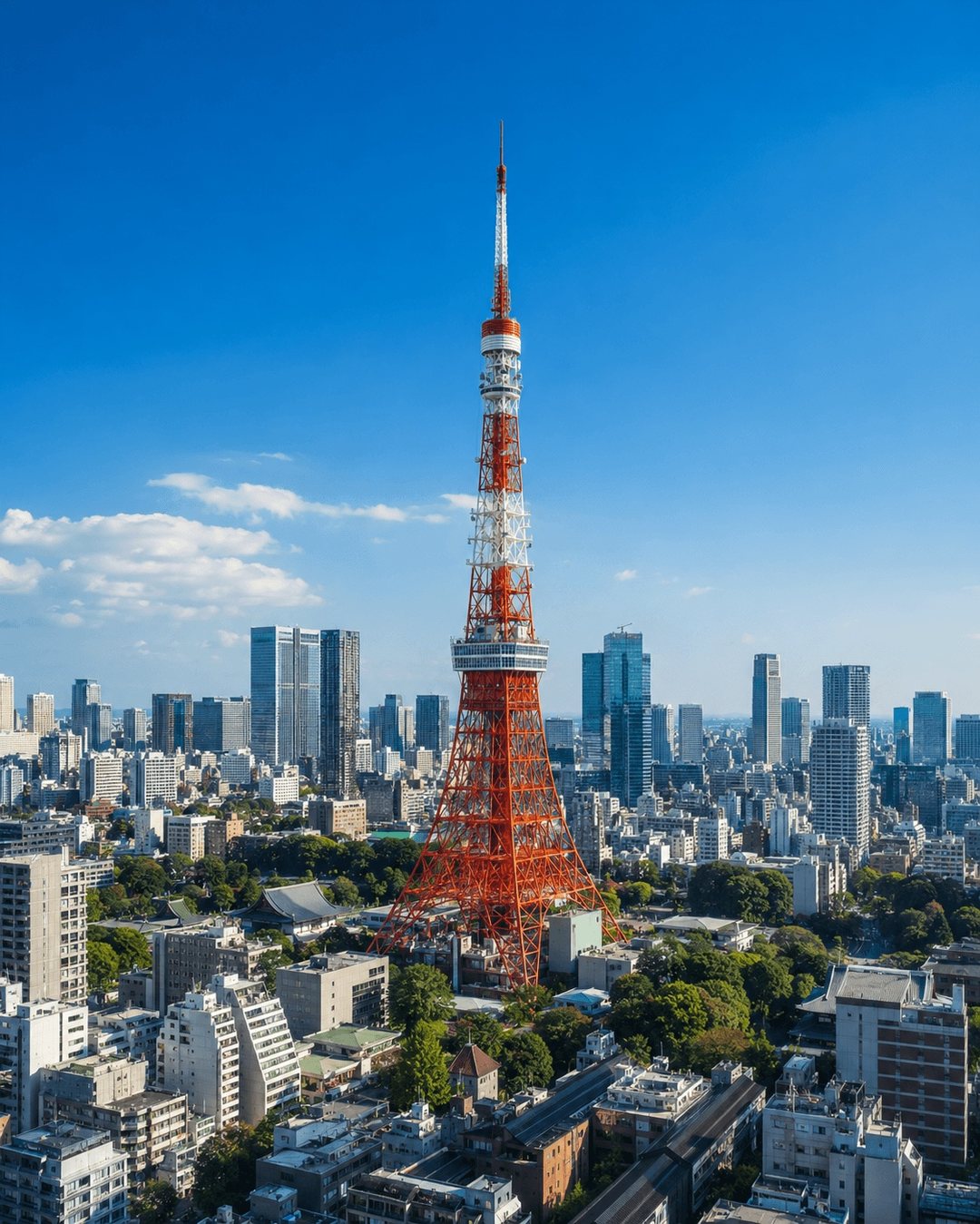
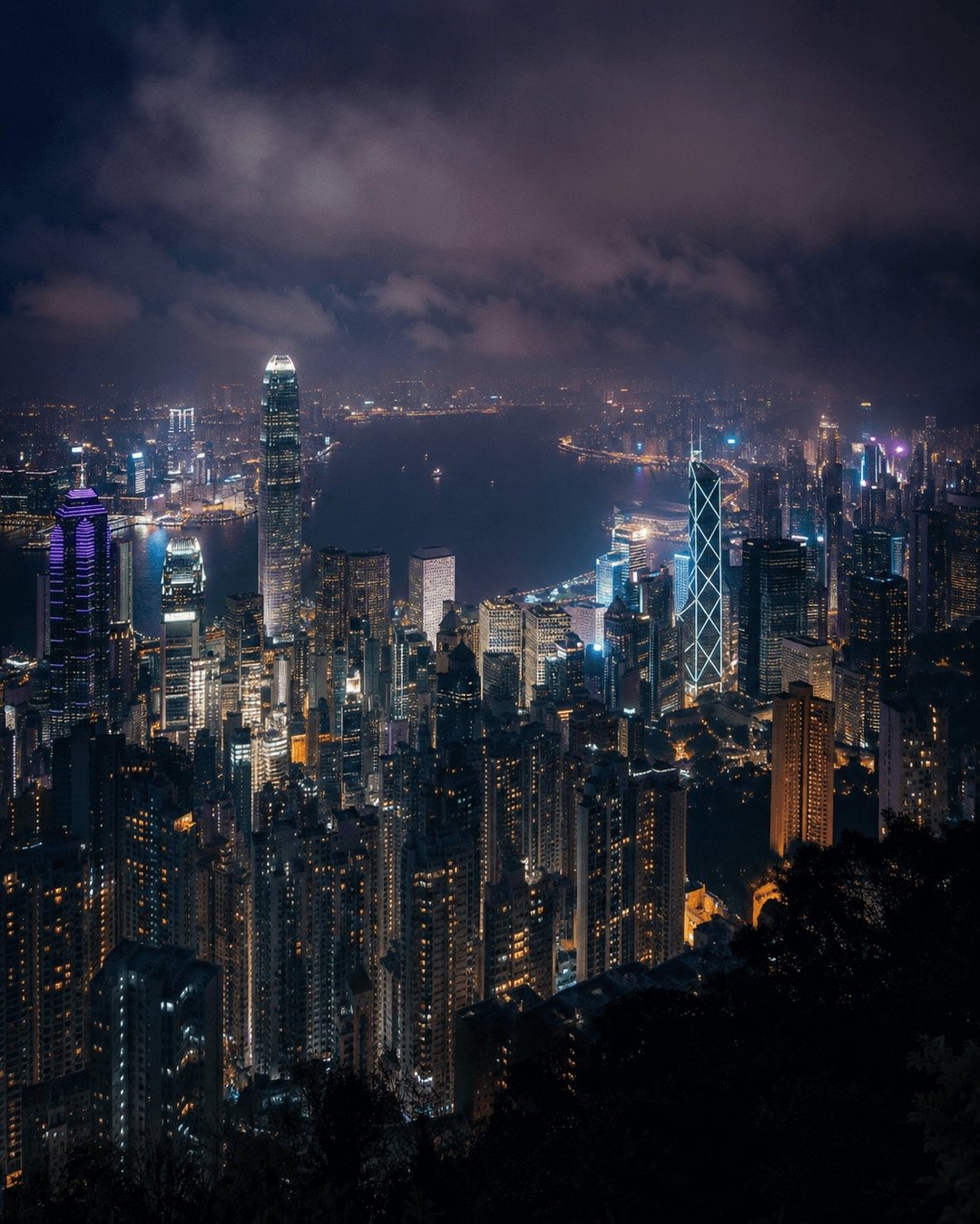
Tokyo and Hong Kong’s Best Solo Dining Journey
Counter precision meets harbour-city voltage in a route that treats the single seat as an editorial advantage, never a consolation.
Executive brief
Tokyo and Hong Kong both reward solo appetite, though their dining cultures produce different forms of intimacy. Together they create a disciplined journey through counters, compact rooms, formal kitchens and cities built for independent movement.
01Appetite is an itinerary, not a list
The solo diner sees the pass, the service rhythm and the room’s social geometry with unusual clarity. Appetite is already being shaped before the menu arrives. Tokyo and Hong Kong are at their best for solo dining when concentration is treated as access rather than isolation. A food journey is a sequence of energy, context and contrast; the reservation is only its most visible point.
Not every acclaimed restaurant welcomes single reservations or offers the same menu, and prestige does not justify an arrangement that diminishes the guest. The reviewed records establish which restaurants have a clear proposition. The editorial task is to decide how those propositions can coexist without turning Tokyo and Hong Kong into a procession of tasting rooms.
Independent culinary travellers who prefer precise attention to forced sociability should protect hunger, curiosity and the informal meals that explain formal cooking. Give Tokyo four nights and Hong Kong three, with no major dinner on the flight day and each restaurant grouped into a walkable district. The result is culinary travel with a city around it.
02The tables with a reason to exist
The evening at L'Effervescence is not a trophy interval. The restaurant’s 3 restaurant records · and editorial summary—L'Effervescence treats a restaurant as an ecological and social instrument, then makes that argument legible through food.—give the booking a reason beyond demand. Choose restaurants where the format improves observation and service, not merely those willing to accept a party of one. In a serious food journey through Tokyo and Hong Kong, contrast is a form of accuracy. A market lunch, a neighbourhood staple or an unplanned breakfast can keep the formal room connected to the ingredients, habits and appetite outside it.
Den belongs on the route because the cooking has an argument. Its 3 restaurant records · record defines that argument in direct terms: Tokyo kaiseki conventions loosen through humour, warmth and a distinctly personal voice. Tokyo and Hong Kong are at their best for solo dining when concentration is treated as access rather than isolation. The reservation should therefore be surrounded by enough context to read it properly—an appetite that is not exhausted, a day in the same part of Tokyo and another meal at a very different scale. Book early, communicate precisely and let the menu establish its own tempo.
The evening at Amber is not a trophy interval. The restaurant’s 3 restaurant records · and editorial summary—Amber's defining achievement is not a single signature dish but a disciplined reconstruction of modern French dining around the ingredients and conditions of Hong Kong SAR, China.—give the booking a reason beyond demand. Choose restaurants where the format improves observation and service, not merely those willing to accept a party of one. In a serious food journey through Tokyo and Hong Kong, contrast is a form of accuracy. A market lunch, a neighbourhood staple or an unplanned breakfast can keep the formal room connected to the ingredients, habits and appetite outside it.
Caprice belongs on the route because the cooking has an argument. Its 3 restaurant records · record defines that argument in direct terms: Caprice makes an old-fashioned promise—grand French dining—and keeps it credible through specificity rather than nostalgia. Tokyo and Hong Kong are at their best for solo dining when concentration is treated as access rather than isolation. The reservation should therefore be surrounded by enough context to read it properly—an appetite that is not exhausted, a day in the same part of Hong Kong and another meal at a very different scale. Book early, communicate precisely and let the menu establish its own tempo.
The evening at Sazenka is not a trophy interval. The restaurant’s 3 restaurant records · and editorial summary—Sazenka treats Chinese technique and Japanese sensibility as a historical conversation rather than a fusion formula.—give the booking a reason beyond demand. Choose restaurants where the format improves observation and service, not merely those willing to accept a party of one. In a serious food journey through Tokyo and Hong Kong, contrast is a form of accuracy. A market lunch, a neighbourhood staple or an unplanned breakfast can keep the formal room connected to the ingredients, habits and appetite outside it.
Restaurant
L'Effervescence
Tokyo, JapanL'Effervescence treats a restaurant as an ecological and social instrument, then makes that argument legible through food.
Open the record →Restaurant
Den
Tokyo, JapanTokyo kaiseki conventions loosen through humour, warmth and a distinctly personal voice.
Open the record →Restaurant
Amber
Hong Kong, Hong Kong SAR, ChinaAmber's defining achievement is not a single signature dish but a disciplined reconstruction of modern French dining around the ingredients and conditions of Hong Kong SAR, China.
Open the record →Restaurant
Caprice
Hong Kong, Hong Kong SAR, ChinaCaprice makes an old-fashioned promise—grand French dining—and keeps it credible through specificity rather than nostalgia.
Open the record →Restaurant
Sazenka
Tokyo, JapanSazenka treats Chinese technique and Japanese sensibility as a historical conversation rather than a fusion formula.
Open the record →At the right counter, one seat contains the whole room.
The World’s Best Travel Desk
03The city outside the dining room
Tokyo: Tokyo rewards preparation, but its emotional force arrives through small acts that no itinerary can schedule. Hong Kong: Hong Kong’s luxury is a perfectly timed threshold between urban voltage and composed service. These are editorial lenses, not advertising claims. They describe what deserves attention when comparing the reviewed addresses with the surrounding city.
Give each day one rail axis and a small number of districts whose details can be properly noticed. Cross Victoria Harbour deliberately and read both sides vertically, from waterfront to steep neighbourhood streets. Give Tokyo four nights and Hong Kong three, with no major dinner on the flight day and each restaurant grouped into a walkable district. Geography should be visible in every important booking decision. A celebrated address that requires the wrong crossing at the wrong hour may offer less value than a quieter choice that lets the day remain coherent.
Start early, keep transfers exact and arrive at dinner with time to spare and attention intact. Use the clear morning, reset before dinner and keep one evening free for the city’s informal appetite. Alternate counter intimacy with one larger dining room in each city, preserving contrast and enough appetite for informal food. In Tokyo and Hong Kong, pace is part of factual accuracy: heat, crowds, distance, opening hours and fatigue change the real value of access.
04Choose a hotel that protects the meal
The dining itinerary gives JANU Tokyo a practical test. Its 2026 a leading hotel record for the stated edition · and summary—This hotel in Tokyo, Japan draws its authority from the depth of its service system and a convincing food-and-drink offer.—establish the published case, but the booking should follow the restaurants, neighbourhoods and hours that matter. Give Tokyo four nights and Hong Kong three, with no major dinner on the flight day and each restaurant grouped into a walkable district. A hotel move rarely improves a short culinary trip; continuity usually protects appetite better. Reserve one interval to enjoy the property on its own terms, then measure success by how easily Tokyo and Hong Kong returns to the plan.
Park Hyatt Tokyo matters to a food journey because appetite needs infrastructure. The property holds 2026 a leading hotel record for the stated edition ·, and its record reads: A considered stay in Tokyo, Japan, led by the depth of its service system and a convincing food-and-drink offer. A demanding dinner is better served by a hotel that protects rest, punctuality and the return afterwards. Alternate counter intimacy with one larger dining room in each city, preserving contrast and enough appetite for informal food. In Tokyo, ask whether the room allows a late start, whether transport advice is current and whether breakfast can be skipped without losing value. The hotel is not the headline of the meal, but it determines how alertly the traveller reaches the table.
The dining itinerary gives The St. Regis Hong Kong a practical test. Its 2026 a hotel record for the stated edition · and summary—This hotel in Hong Kong SAR, China draws its authority from the coherence of its design and a clear sense of place.—establish the published case, but the booking should follow the restaurants, neighbourhoods and hours that matter. Give Tokyo four nights and Hong Kong three, with no major dinner on the flight day and each restaurant grouped into a walkable district. A hotel move rarely improves a short culinary trip; continuity usually protects appetite better. Reserve one interval to enjoy the property on its own terms, then measure success by how easily Tokyo and Hong Kong returns to the plan.
Hotel
JANU Tokyo
Tokyo, JapanThis hotel in Tokyo, Japan draws its authority from the depth of its service system and a convincing food-and-drink offer.
Open the record →Hotel
Park Hyatt Tokyo
Tokyo, JapanA considered stay in Tokyo, Japan, led by the depth of its service system and a convincing food-and-drink offer.
Open the record →Hotel
The St. Regis Hong Kong
Hong Kong, Hong Kong SAR, ChinaThis hotel in Hong Kong SAR, China draws its authority from the coherence of its design and a clear sense of place.
Open the record →05What to eat when nothing is booked
Alternate counter intimacy with one larger dining room in each city, preserving contrast and enough appetite for informal food. After dark, Tokyo and Hong Kong should feel more specific, not more generic. A famous bar, late table or illuminated view has value only when it belongs to the neighbourhood and the emotional shape of the day.
Keep one evening without a second reservation. Give Tokyo four nights and Hong Kong three, with no major dinner on the flight day and each restaurant grouped into a walkable district. Let dinner end, let the route home acquire detail and allow the hotel to receive the guest without immediately turning the night into another transaction. That unclaimed interval is often where a luxury itinerary becomes personal.
06Reservation discipline
Confirm single-seat policy, deposits, menu language, dietary limits, tower entrances and last transport before each reservation. Confirm material details close to travel with the relevant provider and competent official source. Saved screenshots and old itineraries cannot account for changed hours, policies, transport or local conditions.
Choose restaurants where the format improves observation and service, not merely those willing to accept a party of one. Put the immovable elements on a map, add realistic transfer time and examine the day from the least glamorous moment: luggage, weather, a late arrival or a restriction that must be communicated. Good planning is quiet because the difficult questions were asked early.
Carry the addresses offline, keep a second payment method and understand the broad route through Tokyo and Hong Kong. These are not minor administrative notes beneath a luxury report. They are the structure that protects privacy, appetite and attention when the trip leaves the ideal conditions of the page.
07The dinner worth remembering
The journey ends not with loneliness conquered, but with the more sophisticated realisation that appetite can be complete company. The reviewed records support the named addresses; the city logic explains their sequence; personal suitability remains with the reader. That separation makes an editorial recommendation more trustworthy, not less decisive.
There is also a human pace to protect. Independent culinary travellers who prefer precise attention to forced sociability may travel with different mobility, dietary, privacy or recovery needs, and no serious edit should hide those differences beneath a universal idea of sophistication. Choose restaurants where the format improves observation and service, not merely those willing to accept a party of one. Use the named addresses as fixed points, then adjust the intervals around them honestly. A car may be sensible after a late dinner; a free morning may be more valuable than another appointment; a smaller room in the right district may create greater daily ease than a suite at the wrong edge of the route. In Tokyo and Hong Kong, judgement becomes visible through these proportions. The itinerary should feel authored without requiring the traveller to perform the article exactly.
Editorial authority is strongest when its limits are visible. The distinctions and summaries attached to the featured records establish why each property or restaurant belongs in consideration at the time of publication. They do not freeze prices, menus, hours, access, management, neighbourhood conditions or personal suitability. Confirm single-seat policy, deposits, menu language, dietary limits, tower entrances and last transport before each reservation. That final verification is part of intelligent luxury travel, not administrative clutter beneath it. The reward is a journey capable of adapting without losing its thesis: Tokyo and Hong Kong are at their best for solo dining when concentration is treated as access rather than isolation. When circumstances change, protect that central idea and alter the booking that serves it least well. The best plan is not brittle. It has priorities clear enough to survive the world beyond the page.
The final test is memory with structure. If Tokyo and Hong Kong remains as a set of distinct hours, routes, rooms and meals—not a blur of access—the edit has done its work. Best is not the largest quantity of luxury. It is the clearest relationship between place and choice.
Hotel
JANU Tokyo
Tokyo, JapanThis hotel in Tokyo, Japan draws its authority from the depth of its service system and a convincing food-and-drink offer.
Open the record →Hotel
Park Hyatt Tokyo
Tokyo, JapanA considered stay in Tokyo, Japan, led by the depth of its service system and a convincing food-and-drink offer.
Open the record →Restaurant
L'Effervescence
Tokyo, JapanL'Effervescence treats a restaurant as an ecological and social instrument, then makes that argument legible through food.
Open the record →Restaurant
Den
Tokyo, JapanTokyo kaiseki conventions loosen through humour, warmth and a distinctly personal voice.
Open the record →Hotel
The St. Regis Hong Kong
Hong Kong, Hong Kong SAR, ChinaThis hotel in Hong Kong SAR, China draws its authority from the coherence of its design and a clear sense of place.
Open the record →Restaurant
Amber
Hong Kong, Hong Kong SAR, ChinaAmber's defining achievement is not a single signature dish but a disciplined reconstruction of modern French dining around the ingredients and conditions of Hong Kong SAR, China.
Open the record →Restaurant
Caprice
Hong Kong, Hong Kong SAR, ChinaCaprice makes an old-fashioned promise—grand French dining—and keeps it credible through specificity rather than nostalgia.
Open the record →Restaurant
Sazenka
Tokyo, JapanSazenka treats Chinese technique and Japanese sensibility as a historical conversation rather than a fusion formula.
Open the record →