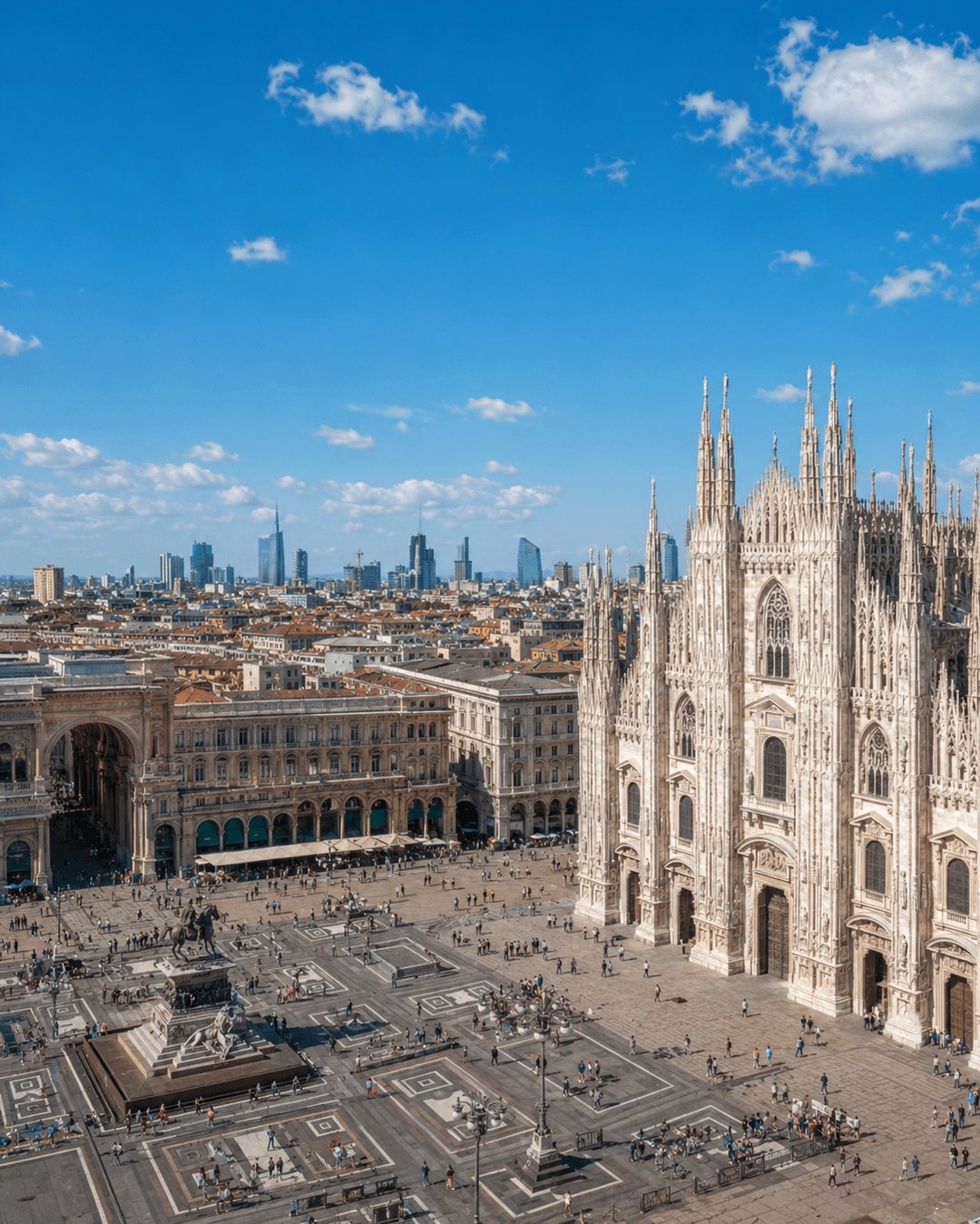
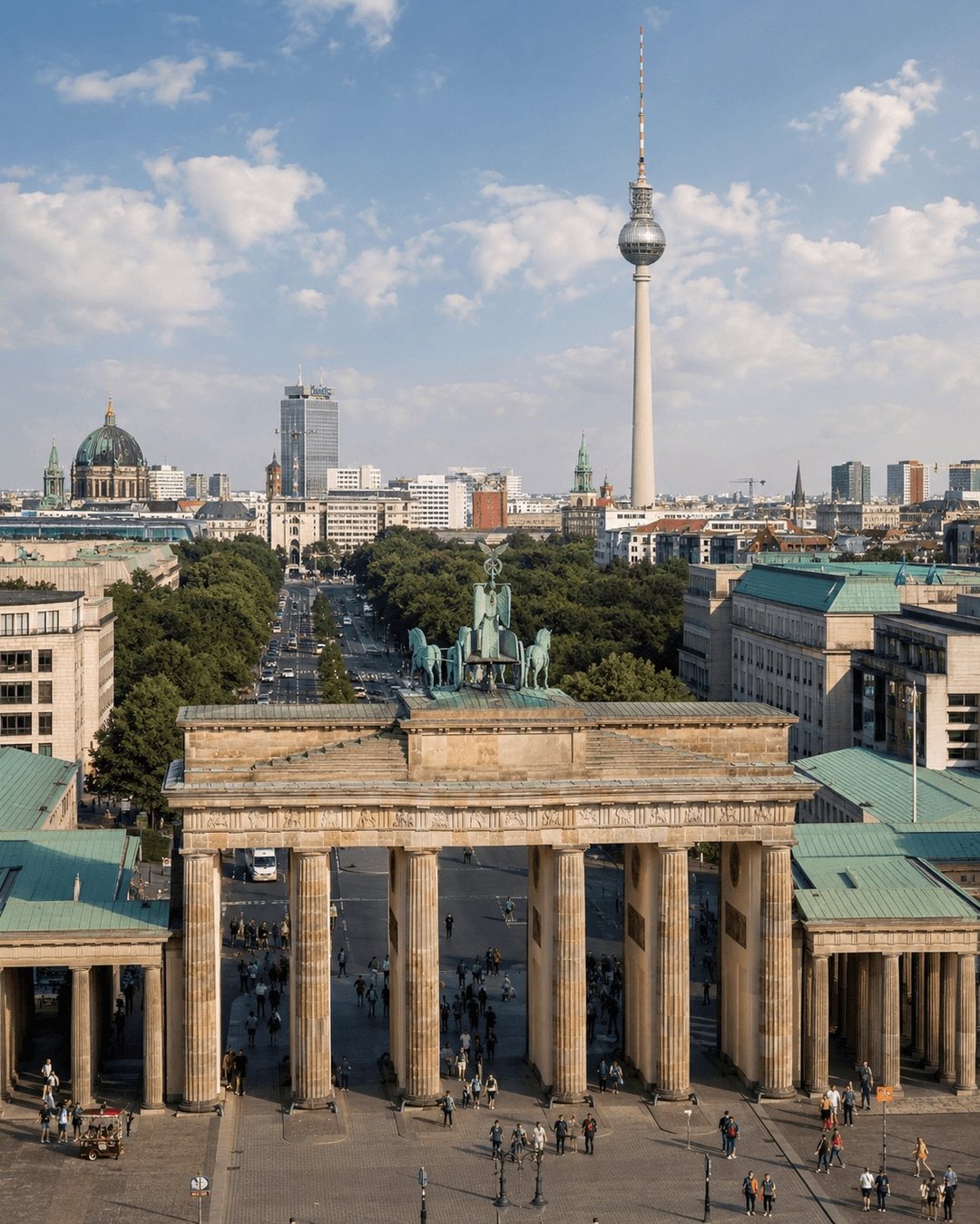
Milan and Berlin’s Best Design Hotels Disagree Beautifully
Milan refines the object; Berlin exposes the system. Their strongest hotels show why design is most persuasive when it expresses a city’s habits rather than a global mood board.
Executive brief
Milan and Berlin are both design capitals, yet their hotels often pursue opposite forms of intelligence. Comparing them reveals how material polish, adaptive reuse, service and neighbourhood context shape the lived experience of a room.
01Begin with the material argument
In Milan, a seam and surface can carry an argument; in Berlin, the argument often begins with what the building used to be. Design is present before an object is named: in proportion, movement, sound and the decision to leave something out. Milan and Berlin’s best design hotels succeed by embodying local methods of making, editing and reusing space.
A visually coherent room may still fail through poor acoustics, awkward storage or service that treats design as permission to be inconvenient. The hotels and restaurants in this edit are not included because they photograph well. Their records provide evidence of broader performance, and the route asks how their rooms participate in the design culture of Milan and Berlin.
Architects, collectors and design-literate travellers who no longer confuse visual novelty with liveable intelligence should look for continuity between material and operation. Give each city three nights, visit one design institution and one working neighbourhood, and reserve an unphotographed afternoon for using the hotel. A beautiful address becomes meaningful when it changes how the city is inhabited.
02The hotel as an inhabited piece of design
Château Monfort should be read as an inhabited composition, not a collection of photogenic objects. Its 2026 a hotel record for the stated edition · record states: In Milan, Italy, Château Monfort is distinguished by a convincing food-and-drink offer and its restorative facilities. The editorial question is how design supports ordinary behaviour in Milan: the route from entrance to room, the quality of quiet, the use of light and the way staff move through public space. Milan and Berlin’s best design hotels succeed by embodying local methods of making, editing and reusing space. Materials matter, but operational clarity decides whether the composition survives contact with luggage, jet lag and a changed plan.
At Hotel Straf, the published distinction—2026 a hotel record for the stated edition ·—meets a specific assessment: In Milan, Italy, Hotel Straf is distinguished by a convincing food-and-drink offer and its restorative facilities. That evidence is more useful when placed beside the design culture of Milan and Berlin. A visually coherent room may still fail through poor acoustics, awkward storage or service that treats design as permission to be inconvenient. Look beyond the first visual gesture. Consider proportion, maintenance, acoustics and whether the service language belongs to the room. A persuasive hotel does not perform design at the guest; it creates a setting in which good decisions feel inevitable.
Telegraphenamt should be read as an inhabited composition, not a collection of photogenic objects. Its 2026 a hotel record for the stated edition · record states: In Berlin, Germany, Telegraphenamt is distinguished by a convincing food-and-drink offer and the depth of its service system. The editorial question is how design supports ordinary behaviour in Berlin: the route from entrance to room, the quality of quiet, the use of light and the way staff move through public space. Milan and Berlin’s best design hotels succeed by embodying local methods of making, editing and reusing space. Materials matter, but operational clarity decides whether the composition survives contact with luggage, jet lag and a changed plan.
At The Mandala Hotel, the published distinction—2026 a hotel record for the stated edition ·—meets a specific assessment: A considered stay in Berlin, Germany, led by the depth of its service system and a convincing food-and-drink offer. That evidence is more useful when placed beside the design culture of Milan and Berlin. A visually coherent room may still fail through poor acoustics, awkward storage or service that treats design as permission to be inconvenient. Look beyond the first visual gesture. Consider proportion, maintenance, acoustics and whether the service language belongs to the room. A persuasive hotel does not perform design at the guest; it creates a setting in which good decisions feel inevitable.
Hotel
Château Monfort
Milan, ItalyIn Milan, Italy, Château Monfort is distinguished by a convincing food-and-drink offer and its restorative facilities.
Open the record →Hotel
Hotel Straf
Milan, ItalyIn Milan, Italy, Hotel Straf is distinguished by a convincing food-and-drink offer and its restorative facilities.
Open the record →Hotel
Telegraphenamt
Berlin, GermanyIn Berlin, Germany, Telegraphenamt is distinguished by a convincing food-and-drink offer and the depth of its service system.
Open the record →Hotel
The Mandala Hotel
Berlin, GermanyA considered stay in Berlin, Germany, led by the depth of its service system and a convincing food-and-drink offer.
Open the record →The best-designed room is not the one left untouched; it is the one that improves when inhabited.
The World’s Best Travel Desk
03Architecture needs the street around it
Milan: Milan communicates luxury through materials, editing and the refusal to explain every decision. Berlin: Berlin values conviction over polish; the strongest luxury addresses feel individual, useful and culturally awake. These are editorial lenses, not advertising claims. They describe what deserves attention when comparing the reviewed addresses with the surrounding city.
Connect Brera, the historic centre and the design districts through focused appointments and long walks. Choose one cultural question per day and follow it across the districts where the city keeps revising itself. Give each city three nights, visit one design institution and one working neighbourhood, and reserve an unphotographed afternoon for using the hotel. Geography should be visible in every important booking decision. A celebrated address that requires the wrong crossing at the wrong hour may offer less value than a quieter choice that lets the day remain coherent.
Keep the morning exact, the aperitivo hour social and dinner sufficiently late to let the city change register. Leave room between institutions, use public transport confidently and let the evening remain open-ended. Choose restaurants whose rooms clarify the food rather than compete with it, then return on foot where the district remains legible after dark. In Milan and Berlin, pace is part of factual accuracy: heat, crowds, distance, opening hours and fatigue change the real value of access.
04A restaurant is also a room in the city
Andrea Aprea is a room in the city before it is a sequence of plates. The restaurant holds 1 restaurant records ·, and the record describes its culinary centre: Andrea Aprea presents Italian Contemporary cooking in Milan, Italy, shaped by coherent menu architecture and clear culinary authorship. Design matters when it clarifies that centre—through light, acoustics, distance between tables and the choreography of service. A visually coherent room may still fail through poor acoustics, awkward storage or service that treats design as permission to be inconvenient. In Milan, the room should belong to the city without becoming a decorative quotation of it.
At IYO Kaiseki, the visual and culinary propositions must support one another. The 2 restaurant records · record states: IYO Kaiseki presents Japanese cooking in Milan, Italy, shaped by technical precision and coherent menu architecture. Choose restaurants whose rooms clarify the food rather than compete with it, then return on foot where the district remains legible after dark. Look past the image most often circulated and notice how the room changes over the evening. A beautifully designed restaurant earns authority when it improves attention to cooking, company and pace; otherwise it is scenery. The best tables in Milan and Berlin make design disappear at the moment the meal becomes absorbing.
MINE is a room in the city before it is a sequence of plates. The restaurant holds 2 restaurant records ·, and the record describes its culinary centre: MINE presents Italian cooking in Berlin, Germany, shaped by ingredient provenance and coherent menu architecture. Design matters when it clarifies that centre—through light, acoustics, distance between tables and the choreography of service. A visually coherent room may still fail through poor acoustics, awkward storage or service that treats design as permission to be inconvenient. In Berlin, the room should belong to the city without becoming a decorative quotation of it.
At Matthias, the visual and culinary propositions must support one another. The 1 restaurant records · record states: Matthias presents Modern Cuisine cooking in Berlin, Germany, shaped by coherent menu architecture and clear culinary authorship. Choose restaurants whose rooms clarify the food rather than compete with it, then return on foot where the district remains legible after dark. Look past the image most often circulated and notice how the room changes over the evening. A beautifully designed restaurant earns authority when it improves attention to cooking, company and pace; otherwise it is scenery. The best tables in Milan and Berlin make design disappear at the moment the meal becomes absorbing.
Restaurant
Andrea Aprea
Milan, ItalyAndrea Aprea presents Italian Contemporary cooking in Milan, Italy, shaped by coherent menu architecture and clear culinary authorship.
Open the record →Restaurant
IYO Kaiseki
Milan, ItalyIYO Kaiseki presents Japanese cooking in Milan, Italy, shaped by technical precision and coherent menu architecture.
Open the record →Restaurant
MINE
Berlin, GermanyMINE presents Italian cooking in Berlin, Germany, shaped by ingredient provenance and coherent menu architecture.
Open the record →Restaurant
Matthias
Berlin, GermanyMatthias presents Modern Cuisine cooking in Berlin, Germany, shaped by coherent menu architecture and clear culinary authorship.
Open the record →05Taste is clearest when it refuses display
A visually coherent room may still fail through poor acoustics, awkward storage or service that treats design as permission to be inconvenient. The argument against excess is not austerity. It is that attention has limits, and luxury loses definition when every hour demands admiration.
Architects, collectors and design-literate travellers who no longer confuse visual novelty with liveable intelligence should decide what to decline before deciding what else to add. In Milan and Berlin, the strongest edit may remove a hotel move, a third formal dinner or a distant landmark whose only appeal is familiarity.
06Appointments, access and the useful empty hour
Check fair dates, exhibition calendars, room dimensions, renovation notices, climate control and transport interruptions before booking. Confirm material details close to travel with the relevant provider and competent official source. Saved screenshots and old itineraries cannot account for changed hours, policies, transport or local conditions.
Compare design by operation: how the room receives luggage, light, sleep, service and the disorder of an actual journey. Put the immovable elements on a map, add realistic transfer time and examine the day from the least glamorous moment: luggage, weather, a late arrival or a restriction that must be communicated. Good planning is quiet because the difficult questions were asked early.
Carry the addresses offline, keep a second payment method and understand the broad route through Milan and Berlin. These are not minor administrative notes beneath a luxury report. They are the structure that protects privacy, appetite and attention when the trip leaves the ideal conditions of the page.
07The final edit
Milan’s refinement and Berlin’s candour produce different rooms, but both become luxurious when design survives ordinary use. The reviewed records support the named addresses; the city logic explains their sequence; personal suitability remains with the reader. That separation makes an editorial recommendation more trustworthy, not less decisive.
There is also a human pace to protect. Architects, collectors and design-literate travellers who no longer confuse visual novelty with liveable intelligence may travel with different mobility, dietary, privacy or recovery needs, and no serious edit should hide those differences beneath a universal idea of sophistication. Compare design by operation: how the room receives luggage, light, sleep, service and the disorder of an actual journey. Use the named addresses as fixed points, then adjust the intervals around them honestly. A car may be sensible after a late dinner; a free morning may be more valuable than another appointment; a smaller room in the right district may create greater daily ease than a suite at the wrong edge of the route. In Milan and Berlin, judgement becomes visible through these proportions. The itinerary should feel authored without requiring the traveller to perform the article exactly.
Editorial authority is strongest when its limits are visible. The distinctions and summaries attached to the featured records establish why each property or restaurant belongs in consideration at the time of publication. They do not freeze prices, menus, hours, access, management, neighbourhood conditions or personal suitability. Check fair dates, exhibition calendars, room dimensions, renovation notices, climate control and transport interruptions before booking. That final verification is part of intelligent luxury travel, not administrative clutter beneath it. The reward is a journey capable of adapting without losing its thesis: Milan and Berlin’s best design hotels succeed by embodying local methods of making, editing and reusing space. When circumstances change, protect that central idea and alter the booking that serves it least well. The best plan is not brittle. It has priorities clear enough to survive the world beyond the page.
The final test is memory with structure. If Milan and Berlin remains as a set of distinct hours, routes, rooms and meals—not a blur of access—the edit has done its work. Best is not the largest quantity of luxury. It is the clearest relationship between place and choice.
Hotel
Château Monfort
Milan, ItalyIn Milan, Italy, Château Monfort is distinguished by a convincing food-and-drink offer and its restorative facilities.
Open the record →Hotel
Hotel Straf
Milan, ItalyIn Milan, Italy, Hotel Straf is distinguished by a convincing food-and-drink offer and its restorative facilities.
Open the record →Restaurant
Andrea Aprea
Milan, ItalyAndrea Aprea presents Italian Contemporary cooking in Milan, Italy, shaped by coherent menu architecture and clear culinary authorship.
Open the record →Restaurant
IYO Kaiseki
Milan, ItalyIYO Kaiseki presents Japanese cooking in Milan, Italy, shaped by technical precision and coherent menu architecture.
Open the record →Hotel
Telegraphenamt
Berlin, GermanyIn Berlin, Germany, Telegraphenamt is distinguished by a convincing food-and-drink offer and the depth of its service system.
Open the record →Hotel
The Mandala Hotel
Berlin, GermanyA considered stay in Berlin, Germany, led by the depth of its service system and a convincing food-and-drink offer.
Open the record →Restaurant
MINE
Berlin, GermanyMINE presents Italian cooking in Berlin, Germany, shaped by ingredient provenance and coherent menu architecture.
Open the record →Restaurant
Matthias
Berlin, GermanyMatthias presents Modern Cuisine cooking in Berlin, Germany, shaped by coherent menu architecture and clear culinary authorship.
Open the record →