Vienna’s Best New Address Must Compete With the City, Not Its Past
Mandarin Oriental Vienna, Fairmont Golden Prague and Hotel Adlon Kempinski Berlin test how central Europe’s grand hotels can carry history without living inside it.
Executive brief
Central Europe’s best grand hotels use history as urban orientation, not as permission to turn the present into a muted backdrop. The address earns its past when it gives the traveller more confidence in the city’s present tense.
01The city sets the standard
Vienna has no shortage of ceremonial rooms; the challenge for a new luxury hotel is to make contemporary city life feel as compelling as inherited grandeur. A serious city-hotel dossier asks how an address changes movement, sleep and access rather than treating the lobby as the destination. Central Europe’s best grand hotels use history as urban orientation, not as permission to turn the present into a muted backdrop.
Restoration language can overwhelm the practical city-hotel questions of acoustics, mobility, cultural access and the ability to return late without ceremony. This report uses the published 2026 Best 100 ranking records, approved hotel profiles and linked media as its factual foundation. It does not claim a stay, inspection, interview or other first-hand encounter. Rank andeditorial record remain comparative editorial findings; the purpose here is to translate those findings into a more exacting travel decision.
Cultural travellers weighing three historic capitals and seeking a hotel that participates in contemporary urban life will gain more by resisting completeness. Choose one major performance or museum appointment, build the day around walking and allow the hotel to frame the city rather than narrate it constantly. A persuasive trip feels composed but remains porous enough for weather, appetite and company to revise the plan. The aim is not to collect every recognised experience. It is to protect the few that give the journey its character.
02Three addresses, three urban readings
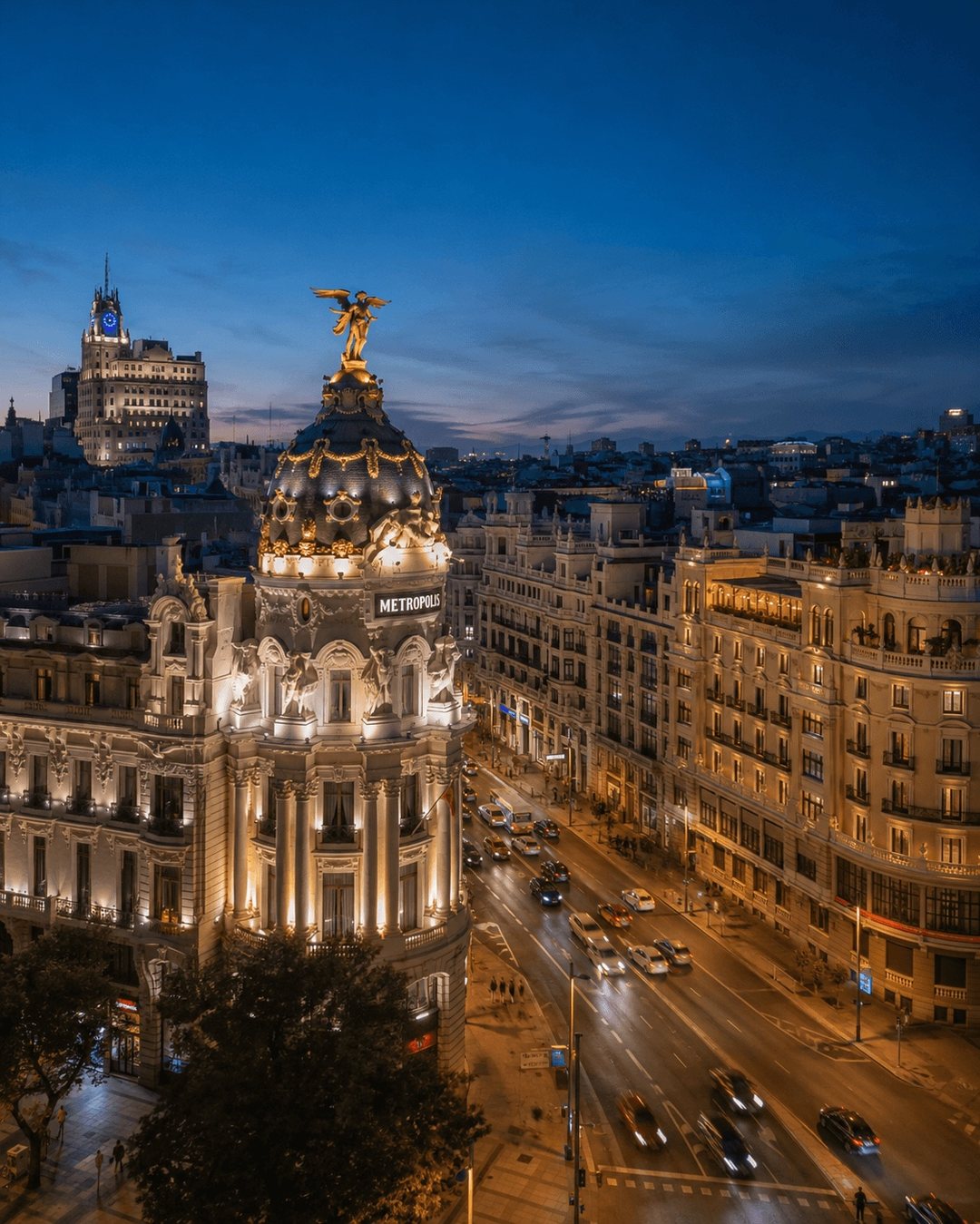
Mandarin Oriental, Vienna, No. 11 in the 2026 edition, provides the clearest first case. The annual record identifies it as a restored heritage city hotel in Vienna, defined by Ringstrasse-adjacent heritage architecture, intimate luxury scale, Mandarin Oriental service culture, spa depth, and Vienna's renewed high-end city-break appeal. That establishes the property’s position and public proposition; it does not turn the ranking into a universal recommendation. The useful test is whether heritage details support daily comfort and movement instead of asking the guest to admire them at every turn. Restoration language can overwhelm the practical city-hotel questions of acoustics, mobility, cultural access and the ability to return late without ceremony. The hotel belongs in this edit because its geography and operating idea sharpen the reader’s decision rather than merely adding another famous address.
At Fairmont Golden Prague, the 2026 ranking and the lived purpose of a trip need to be read together. Its record describes a restored riverfront landmark hotel in Prague, defined by Vltava riverfront setting, brutalist-era landmark restoration, Fairmont's grand-hotel scale, local art heritage, and Prague's move upmarket. Read that proposition through the uncelebrated hours: the first wake-up, the return with wet clothes or tired legs, the pause before dinner and the request that changes at short notice. Confirm building access, room soundproofing, cultural closing days, breakfast timing, tram or rail routes, dress expectations and late return arrangements. Aeditorial record can identify sustained strengths; suitability is decided by how those strengths meet the traveller’s actual day.
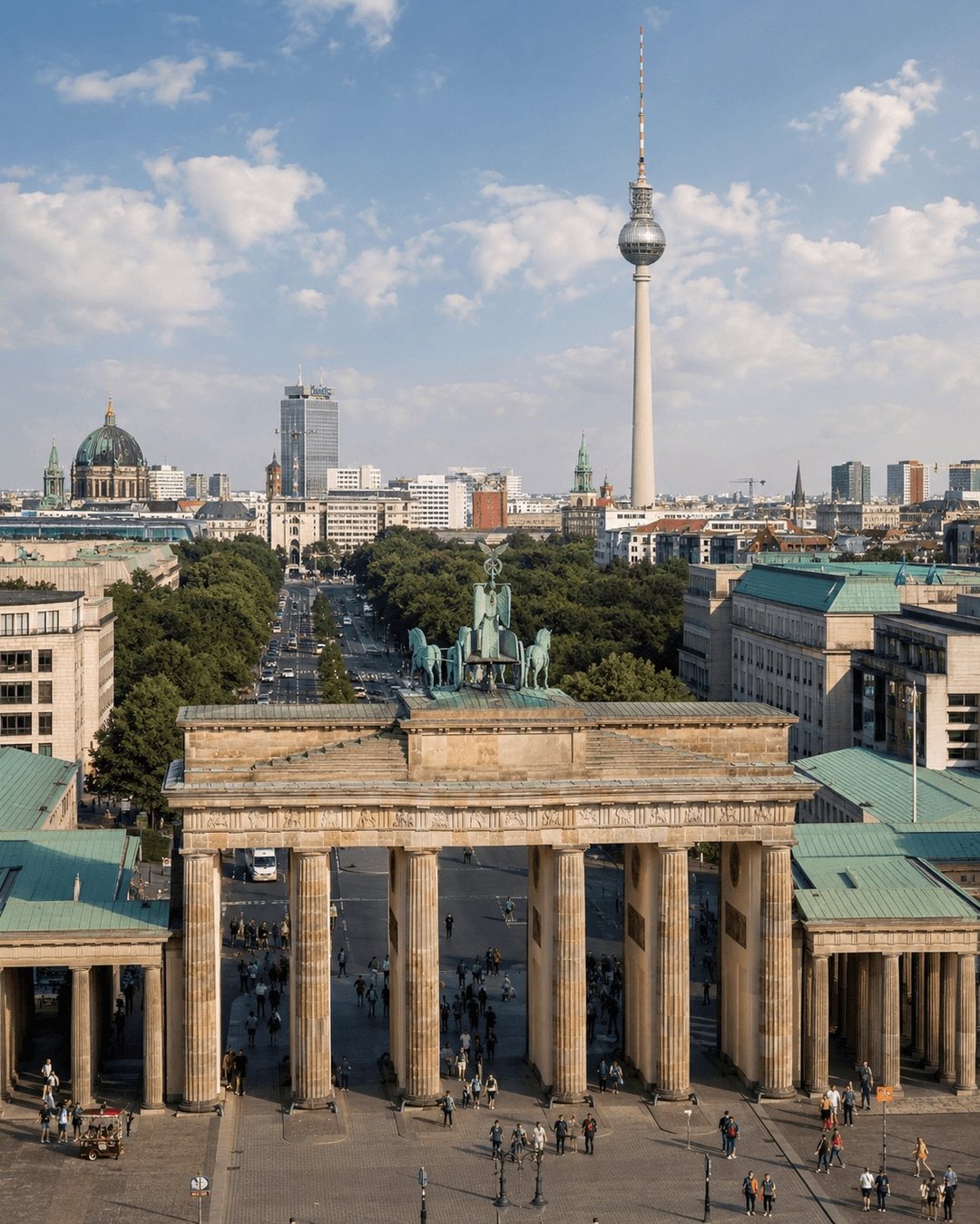
Hotel Adlon Kempinski Berlin, placed No. 44, offers a different answer. The ranking case is grounded in a historic city landmark hotel in Berlin, defined by Brandenburg Gate location, revived grand-hotel heritage, and major diplomatic and cultural visibility. Central Europe’s best grand hotels use history as urban orientation, not as permission to turn the present into a muted backdrop. Comparison matters precisely because this hotel should not be asked to imitate the other two. Notice how arrival, privacy, food, guidance and the route outside the room form one rhythm. Choose one major performance or museum appointment, build the day around walking and allow the hotel to frame the city rather than narrate it constantly. The strongest choice is the address whose particular limits feel intelligent rather than inconvenient.
Hotel
Mandarin Oriental, Vienna
Vienna, AustriaMandarin Oriental, Vienna is a restored heritage city hotel in Vienna, defined by Ringstrasse-adjacent heritage architecture, intimate luxury scale, Mandarin Oriental service culture, spa depth, and Vienna's renewed high-end city-break appeal.
Open the record →Hotel
Fairmont Golden Prague
Prague, Czech RepublicFairmont Golden Prague is a restored riverfront landmark hotel in Prague, defined by Vltava riverfront setting, brutalist-era landmark restoration, Fairmont's grand-hotel scale, local art heritage, and Prague's move upmarket.
Open the record →Hotel
Hotel Adlon Kempinski Berlin
Berlin, GermanyHotel Adlon Kempinski Berlin is a historic city landmark hotel in Berlin, defined by Brandenburg Gate location, revived grand-hotel heritage, and major diplomatic and cultural visibility.
Open the record →History is most luxurious when it improves the present without demanding applause.
The World’s Best Travel Desk
03The geography behind the room
Vienna, Prague, Berlin are not interchangeable backdrops. Light, altitude, water, traffic, season and the social life beyond each hotel alter the meaning of privacy and service. whether heritage details support daily comfort and movement instead of asking the guest to admire them at every turn Geography belongs inside the room decision because it governs wake-up time, the shape of the return and the amount of energy required to reach what matters.
Place also sets limits that expensive arrangements cannot erase. Restoration language can overwhelm the practical city-hotel questions of acoustics, mobility, cultural access and the ability to return late without ceremony. Wind can cancel a crossing, heat can narrow the useful hours, altitude can change appetite and an apparently short urban distance can become emotionally costly in traffic. An authoritative itinerary acknowledges those facts early, then spends on the transfer, guide or room condition that genuinely reduces friction.
Choose one major performance or museum appointment, build the day around walking and allow the hotel to frame the city rather than narrate it constantly. This is where pace acquires substance. An empty hour beside water, in a garden, on a terrace or near a fire can reveal more than another appointment. A ranked hotel earns its place in the trip when staying still feels connected to the destination rather than like a retreat from it.
04Service after the first impression
Service should be judged across the entire chain: enquiry, arrival, luggage, orientation, housekeeping, food, guidance, privacy, sleep and departure. Confirm building access, room soundproofing, cultural closing days, breakfast timing, tram or rail routes, dress expectations and late return arrangements. A polished welcome cannot compensate for uncertainty passed between departments. The more remote or compressed the journey, the more valuable it becomes when one person retains responsibility for the answer.
whether heritage details support daily comfort and movement instead of asking the guest to admire them at every turn Ask the question in plain language and expect the reply to identify the room, timing, route or policy under discussion. Vague assurance is especially weak where weather, water, altitude, wildlife or urban congestion controls the day. Precision need not feel cold; at its best, it is a form of care that lets the guest stop supervising the trip.
Central Europe’s best grand hotels use history as urban orientation, not as permission to turn the present into a muted backdrop. The finest attention changes volume. It can be anticipatory at arrival, informative before an excursion and almost absent once the guest has found a private rhythm. Constant performance is not personal service. Good judgement appears in the moment staff recognise that architecture, landscape or conversation should be allowed to carry the experience.
05Why prestige is not enough
Restoration language can overwhelm the practical city-hotel questions of acoustics, mobility, cultural access and the ability to return late without ceremony. The counterargument matters because luxury travel too easily rewards abundance. More space, more treatments, more transfers and more reservations can create a journey whose principal activity is managing what has already been purchased. The correction is not austerity. It is a clear reason for every elaborate choice.
The three addresses should not be forced into another league table. Mandarin Oriental, Vienna, Fairmont Golden Prague, Hotel Adlon Kempinski Berlin answer different needs and belong to different settings. Comparison is useful only when it sharpens suitability: who will sleep well, who welcomes the distance, who wants guidance and who will feel constrained by the same structure another traveller finds reassuring.
There is also a difference between a hotel that photographs as complete and a journey that feels complete from within. The first can be established quickly; the second depends on how a property behaves when the scene is untidy—a delayed room, an altered meal, a wet return or an evening when nobody wants the formal reservation. Cultural travellers weighing three historic capitals and seeking a hotel that participates in contemporary urban life should judge the address by its ability to absorb those ordinary deviations without turning flexibility into a favour.
06The reservation questions that matter
Confirm building access, room soundproofing, cultural closing days, breakfast timing, tram or rail routes, dress expectations and late return arrangements. Reconfirm the material facts close to departure, especially access, seasonal operation, food, mobility, room orientation, cancellation and the hours that depend on weather. A 2026 ranking record does not freeze those conditions. Responsibility for an elegant trip includes checking the details most capable of changing its rhythm.
Protect the least glamorous hour. A delayed arrival, wet luggage, dietary adjustment, interrupted transfer or request for discretion will reveal more about operation than the prepared lobby scene. Keep important agreements in writing, allow realistic margins and avoid making the first demanding reservation depend on transport arriving exactly as planned.
Then stop administering the journey. Choose one major performance or museum appointment, build the day around walking and allow the hotel to frame the city rather than narrate it constantly. Preparation has succeeded when it becomes invisible after arrival. A folder of confirmations should create freedom, not follow the guest from room to vehicle to table. The best arrangements leave enough attention for the destination to answer back.
07The city-hotel verdict
The address earns its past when it gives the traveller more confidence in the city’s present tense. The hotels in this edit are evidence and contrast, not instructions. Suitability still turns on company, mobility, privacy, appetite, weather and the amount of attention a traveller wants to give the destination.
Luxury is often presented as possession, yet travel exposes the limits of accumulation quickly. Central Europe’s best grand hotels use history as urban orientation, not as permission to turn the present into a muted backdrop. Another reservation can weaken the one already made; another hotel can convert distinct rooms into luggage logistics. Editing is not a retreat from pleasure. It is what allows pleasure to acquire scale.
History is most luxurious when it improves the present without demanding applause. The line separates discernment from display. A journey does not need to explain its expense at every turn. It needs to make time, movement and company feel unusually well held, including when weather changes or appetite refuses the plan.
That is the useful way to read the Best 100 in 2026: begin with the annual evidence, verify what can change and leave part of the day unclaimed. whether heritage details support daily comfort and movement instead of asking the guest to admire them at every turn The result is not a flawless itinerary. It is a more resilient one, capable of remaining elegant when the destination becomes more interesting than the schedule.