The City Hotel Has Returned to the Front Line
The recent archive gives urban hotels a more prominent role—not as a retreat from travel, but as a way of making the city itself part of the stay.
Executive brief
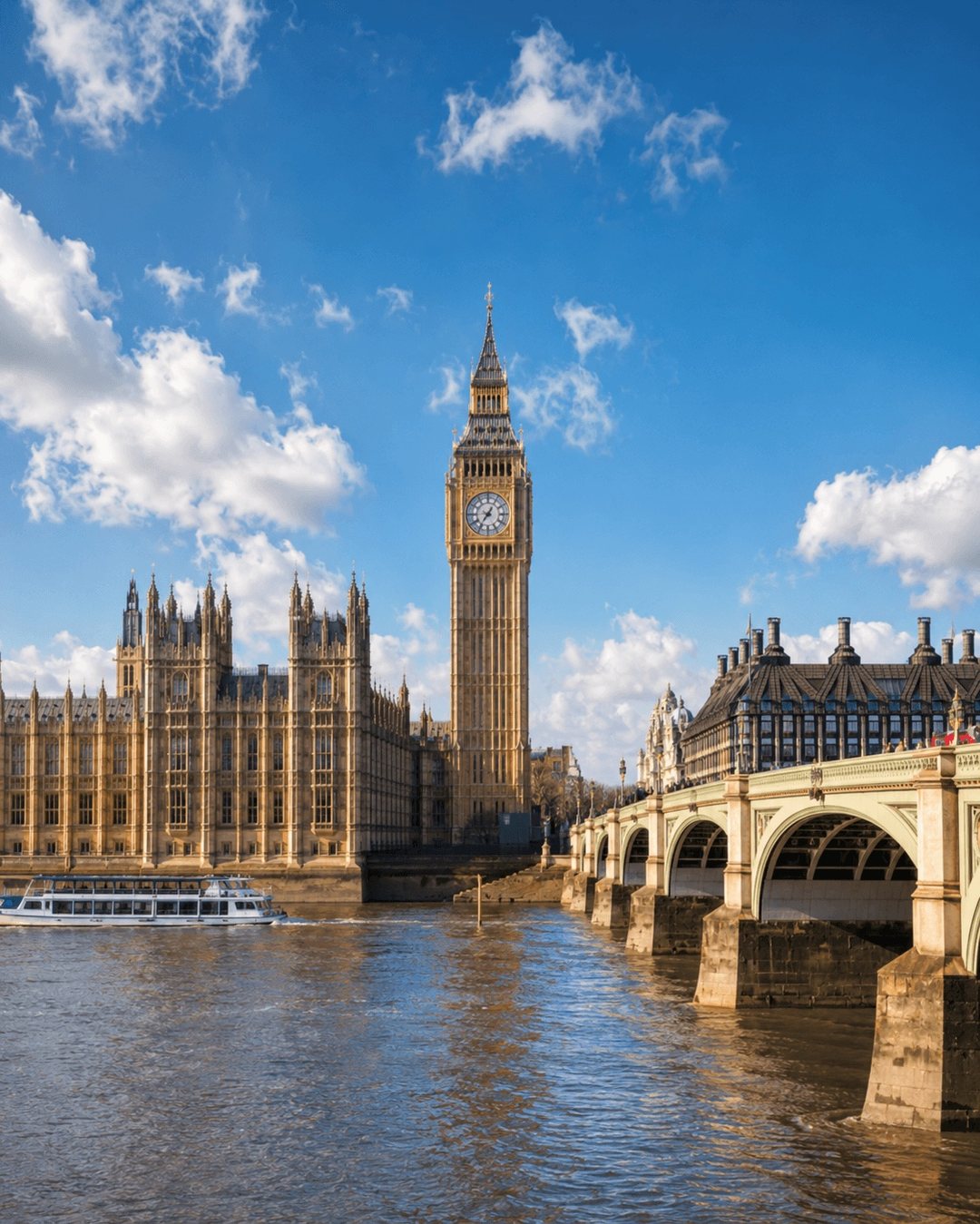
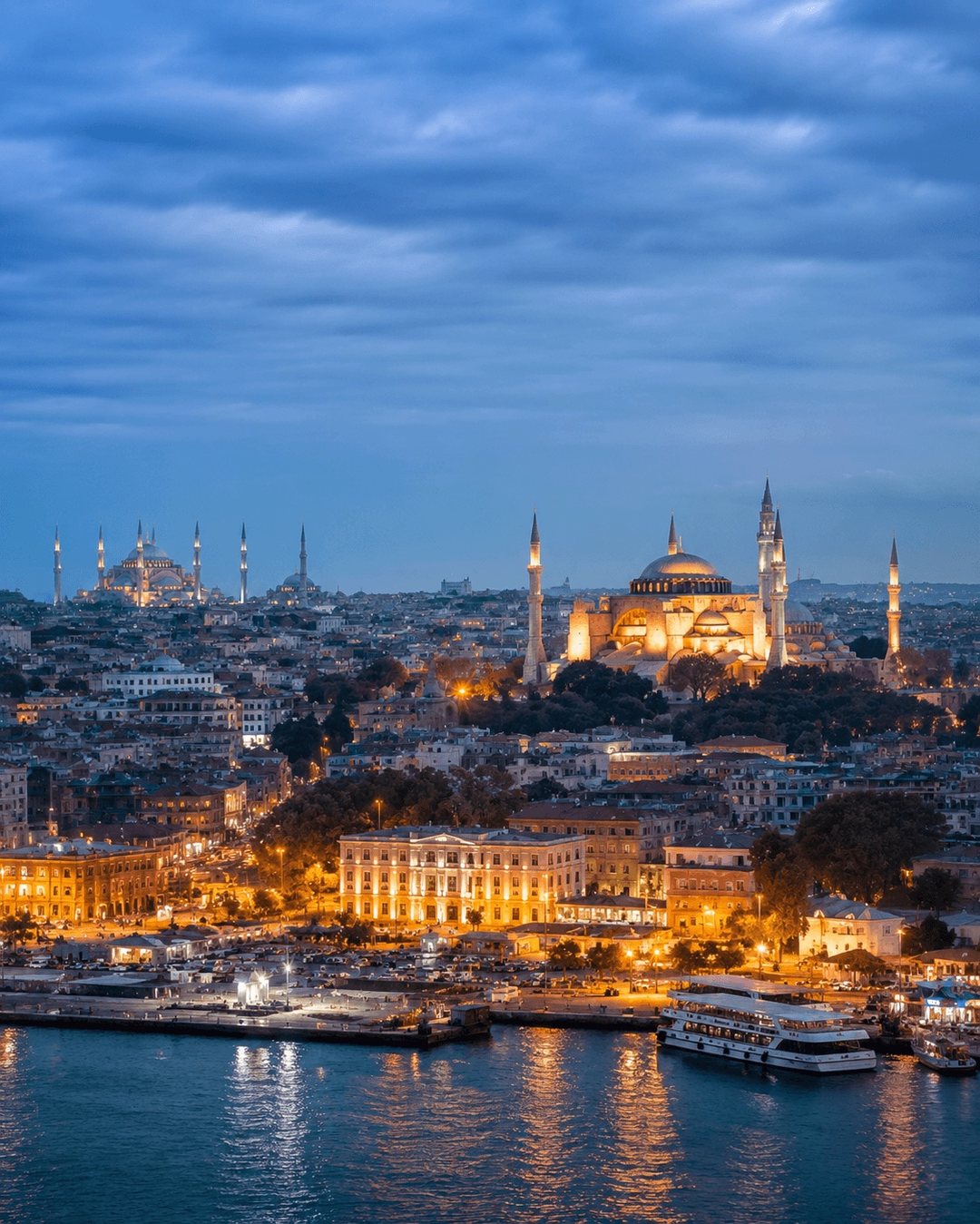
From Paris and Geneva to New York, Istanbul, London and Venice, the later files give the city hotel a renewed editorial weight.
01The urban address as a complete proposition
The archive does not treat the city hotel as a diminished version of the resort. In the 2021 file, Cheval Blanc Paris, Airelles Château de Versailles, Le Grand Contrôle and The Woodward Geneva occupy the first three positions. In 2022, Aman New York leads the list. In 2023, The Peninsula Istanbul, Bulgari Hotel Roma and Raffles London at The OWO form the first three. The recent record makes the case plainly: a city address can carry the same destination force as a far-flung retreat.
What connects these entries is not a single design language. It is the density of the proposition. A convincing urban hotel has to make a location, building, service rhythm and cultural setting feel inseparable. It cannot borrow atmosphere from the city without contributing something exact to it.
02Restoration is not nostalgia
Several of the archive’s most visible city entries begin with a building already charged with meaning. This is not a reason to reward a famous address automatically. It is a test of whether a new hotel can make an inherited site useful again—through its rooms, its public spaces, its service and the way it lets a guest encounter a city.
The 2026 front of the list sharpens the point. Rosewood The Chancery, Orient Express Venice and Six Senses London enter the published record as restored or converted landmark projects. The interest lies less in preservation as theatre than in the discipline of turning a remembered building into a contemporary stay.
A convincing city hotel does not borrow atmosphere from the street; it gives the city a sharper point of view.
The World’s Best Editorial Desk
03A city is still a destination
The best urban hotels are not neutral bases between meetings or museum visits. They make the city more coherent. They understand that privacy can be a form of access, that a dining room can change the cadence of a neighbourhood, and that a strong concierge is not an amenity but a way of reading place.
The lists do not suggest that the resort has lost its claim on imagination. They suggest something more useful: the distinction between city and escape has become less important than whether a hotel gives its setting a clear point of view.
04How to read the evidence
No single appearance can carry the full argument for a hotel. The value of the archive lies in comparison: across years, settings and different ideas of luxury. It makes room for an immediate achievement while preserving the longer record needed to judge whether that achievement lasts.
That distinction also protects the reader from false certainty. A ranking is an editorial decision made for a defined year; it is not a permanent licence. The next edition begins the work again, with every returning address required to make its case in a changed field.
05The standard beyond the list
The most persuasive hotels turn their visible qualities into a coherent operating idea. Architecture, service, food, privacy and location do not sit in separate departments from the guest's point of view. They either reinforce one another or expose the gap between an attractive image and a complete stay.
This is why the archive is useful beyond the order of names. It allows readers to see the recurring disciplines behind memorable places: confidence without noise, generosity without excess and a precise relationship with the destination outside the door.
06What the next edition must answer
The next list will have to hold continuity and discovery in productive tension. Established hotels should not be protected by reputation, and new openings should not be rewarded for novelty alone. Both must show that their proposition works as an experience rather than as an announcement.
That is the purpose of keeping the record open. Each edition adds evidence, sharpens the comparison and leaves enough room for the world's best places to surprise us again.
07The reader’s decision
A serious recommendation must survive the ordinary hours of a stay. The archive does not treat the city hotel as a diminished version of the resort. In the 2021 file, Cheval Blanc Paris, Airelles Château de Versailles, Le Grand Contrôle and The Woodward Geneva occupy the first three positions. In 2022, Aman New York leads the list. In 2023, The Peninsula Istanbul, Bulgari Hotel Roma and Raffles London at The OWO form the first three. The recent record makes the case plainly: a city address can carry the same destination force as a far-flung retreat. The point is not to convert that proposition into a universal answer. It is to identify the traveller, journey and length of stay for which it becomes genuinely useful. A celebrated address can be the wrong choice when the arrival is too late, the visit too short or the daily geography at odds with the reason for travelling.
The 2026 front of the list sharpens the point. Rosewood The Chancery, Orient Express Venice and Six Senses London enter the published record as restored or converted landmark projects. The interest lies less in preservation as theatre than in the discipline of turning a remembered building into a contemporary stay. That relationship with place should govern the booking before room size, upgrade language or a fashionable table is allowed to take over the conversation. Map the hours that matter: the first return after a long day, the morning departure, the interval before dinner and the point at which privacy becomes more valuable than another public room. The hotel should make those hours easier without asking the guest to admire the machinery.
For a change in the hotel archive, suitability is more exact than acclaim. Travellers who need constant choice may dislike an edited retreat; those seeking quiet may find a socially important lobby exhausting. Families, solo guests, couples and business travellers use the same building differently. The authoritative recommendation is therefore conditional in the best sense: it explains what the hotel does exceptionally, then allows the reader to decide whether that strength belongs to this particular journey.
08How the promise is tested
Several of the archive’s most visible city entries begin with a building already charged with meaning. This is not a reason to reward a famous address automatically. It is a test of whether a new hotel can make an inherited site useful again—through its rooms, its public spaces, its service and the way it lets a guest encounter a city. The test should continue across the whole operating chain. Enquiry, transfer, luggage, room readiness, housekeeping, food, sleep, billing and departure are not background details. They are the experience in sequence. A single beautiful gesture cannot compensate for a system that repeatedly asks the guest to restate information or coordinate departments on the hotel’s behalf.
Look closely at transitions. The room may be impressive, but can it be entered quietly after midnight? The restaurant may be important, but can a resident obtain a sensible meal after a delayed arrival? The setting may be remote, but do weather and transport contingencies feel understood? These questions are deliberately unglamorous because the strongest luxury often appears as the absence of preventable friction.
Service should possess enough authority to interpret the house rather than recite it. Formality is valuable when it gives an encounter shape; warmth matters when it remains alert to boundaries. Recognition should never feel like surveillance, and personalisation should not force intimacy upon a guest who prefers discretion. The most assured teams read the situation, act within a clear standard and recover visibly enough to restore confidence without turning a mistake into theatre.
09The counterargument
No persuasive hotel idea is free of a trade-off. What connects these entries is not a single design language. It is the density of the proposition. A convincing urban hotel has to make a location, building, service rhythm and cultural setting feel inseparable. It cannot borrow atmosphere from the city without contributing something exact to it. The record establishes why the subject deserves attention, but it does not suspend comparison. Reputation can outlive the room that created it. Novelty can produce attention before operations have found their rhythm. A dramatic landscape can conceal weak food or difficult movement. The reader should separate the enduring idea from the conditions that may limit it now.
Value is part of that judgement even at the highest price level. The question is not whether an experience is expensive; it is whether the scarce elements—time, privacy, access, expertise and space—are being used in ways the guest can actually feel. A costly transfer that protects a day may be rational. An upgrade that adds an unused room or a view available only briefly may not be. Luxury travel improves when expense is treated as a tool rather than proof.
The strongest objection may be behavioural. Some hotels ask the guest to remain within their orbit; others are best used as precise bases for the world outside. Confusing the two produces disappointment. A resort can feel restrictive to a restless traveller, while a city landmark can feel thin to someone expecting a complete retreat. Read the architecture of the day before the architecture of the building, and the trade-off becomes easier to recognise.
10Before the reservation is final
Ask one concise set of questions and judge the quality of the answers. Confirm the exact room category, orientation, access, adjoining or connecting arrangements, transfer method, meal format, cancellation terms and any work or event that could alter the stay. When health, mobility, dietary or privacy requirements are material, describe the practical condition rather than relying on a label. A useful reply names both what can be provided and where a limitation remains.
Changeable information should be checked close to departure with the hotel and, where relevant, competent official authorities. Weather, entry requirements, local transport, opening hours and seasonal access do not become reliable because they appeared in a polished itinerary. Keep the essential confirmations offline, allow time around the most fragile transfer and preserve one alternative that protects the central purpose of the journey if a restaurant, boat, road or room changes.
The lists do not suggest that the resort has lost its claim on imagination. They suggest something more useful: the distinction between city and escape has become less important than whether a hotel gives its setting a clear point of view. That future-facing question is valuable only when it sharpens the choice available now. The City Hotel Has Returned to the Front Line ultimately makes a case for coherence: a distinct place, a service culture capable of carrying its promise and a day whose best moments do not depend on constant intervention. If those conditions align with the traveller’s real behaviour, the reservation has a reason stronger than fashion or rank.