The Ritz London’s Best Weekend Crosses Only One Park
The Ritz London, Chable Yucatan and Cheval Blanc Paris show why scarce time is protected by a single geographical centre.
Executive brief
From Piccadilly, the park creates a useful edge: Mayfair, St James’s and the West End can fill a weekend without crossing London repeatedly. London rewards the traveller who chooses one radius and discovers how much city already lives inside it.
01Forty-eight hours need a centre
From Piccadilly, the park creates a useful edge: Mayfair, St James’s and the West End can fill a weekend without crossing London repeatedly. The finest city weekend is an act of omission: one well-chosen neighbourhood, one consequential dinner and enough unclaimed time for the place to interrupt the plan. London rewards the traveller who chooses one radius and discovers how much city already lives inside it.
Prestige encourages overreach when every neighbourhood appears close enough to add to a short stay. The distinction is especially important in 2025, when the most persuasive luxury journeys are being measured less by accumulation than by how coherently they protect time. The finest room, table, treatment or transfer should make the destination more legible. If it asks the traveller to admire expenditure at every turn, it has mistaken display for hospitality.
This report draws on the published 2025 hotel ranking, the named property records and their approved editorial galleries. It makes no claim of a stay, inspection, interview or first-hand visit. Ranking position andeditorial record remain comparative findings for that edition; the work here is to place those findings within a rigorous travel decision, with the limits of the available record kept visible.
02Three addresses, three urban rhythms
London, Chochola, Yucatan, Paris should not be treated as interchangeable scenery. Light, water, traffic, altitude, season and the social life beyond each entrance alter the meaning of privacy, food, sleep and service. A hotel choice becomes more exact when geography sits inside the room decision rather than appearing later as a transfer problem.
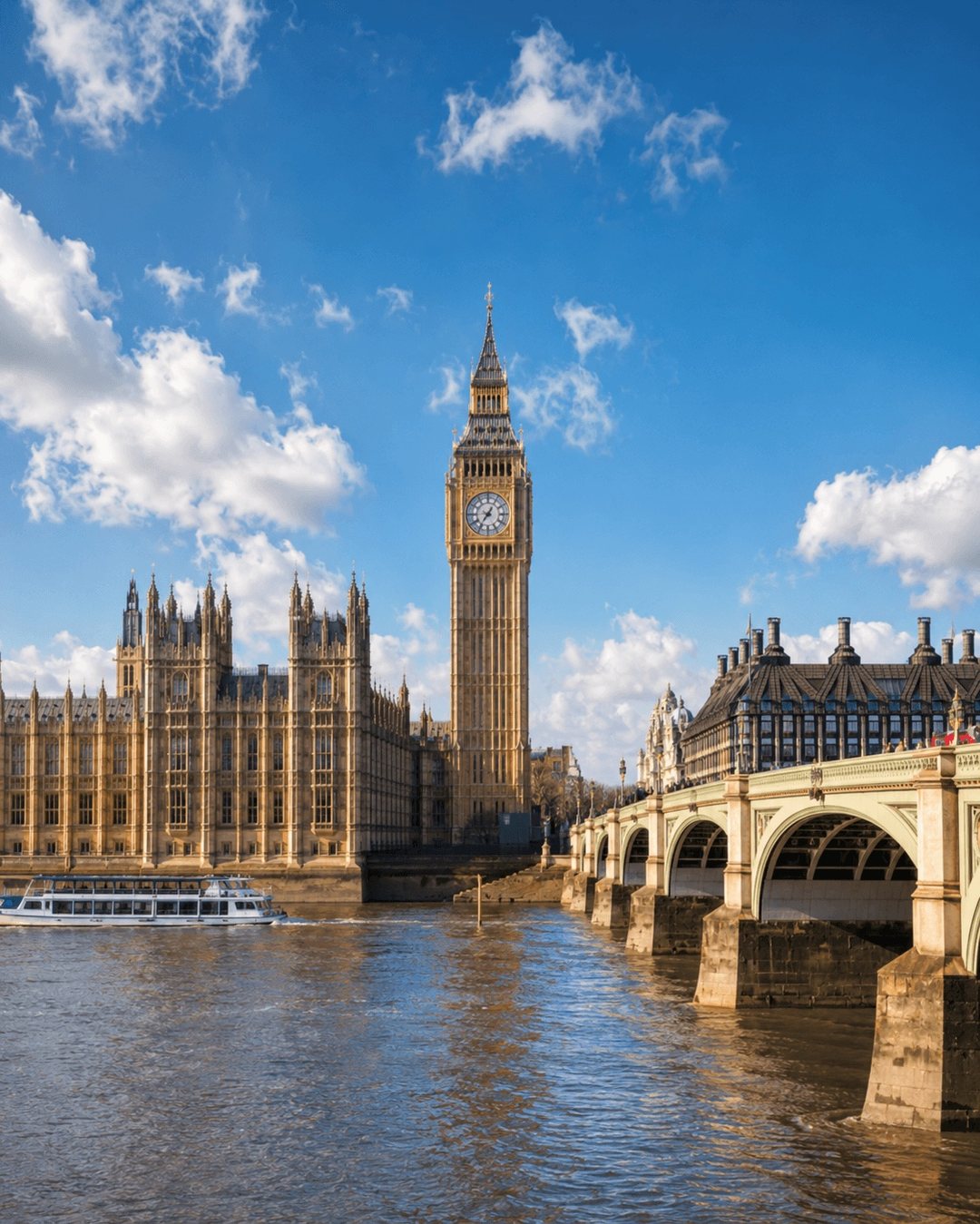
The case for The Ritz London begins with London, United Kingdom. Its place in the 2025 record reflects a grand city hotel in London, defined by Edwardian ceremony, service tradition, afternoon-tea culture, and durable international prestige. The more demanding question is whether that promise survives logistics, appetite, weather and the least ceremonial hour of the day. From Piccadilly, the park creates a useful edge: Mayfair, St James’s and the West End can fill a weekend without crossing London repeatedly. A hotel of this calibre should repeat its point quietly through timing, maintenance and staff judgement instead of depending on one theatrical reveal.
Chable Yucatan, ranked No. 23, is best approached as a working base rather than a catalogue of amenities. The annual record notes a hacienda wellness resort in Chochola, Yucatan, defined by restored hacienda architecture, cenote landscape, wellness programming, and modern Mexican identity, and its wider rationale identifies Chable Yucatan stood out in 2025 for restored hacienda architecture, cenote landscape, wellness programming, and modern Mexican identity. Its combination of service, reputation, design, location, lifestyle offering, and editorial relevance made it a defensible global benchmark within hacienda wellness resort hospitality. Prestige encourages overreach when every neighbourhood appears close enough to add to a short stay. Aeditorial record can recognise sustained strengths, but only an honest reading of company, pace and geography can decide whether those strengths belong in this particular journey.
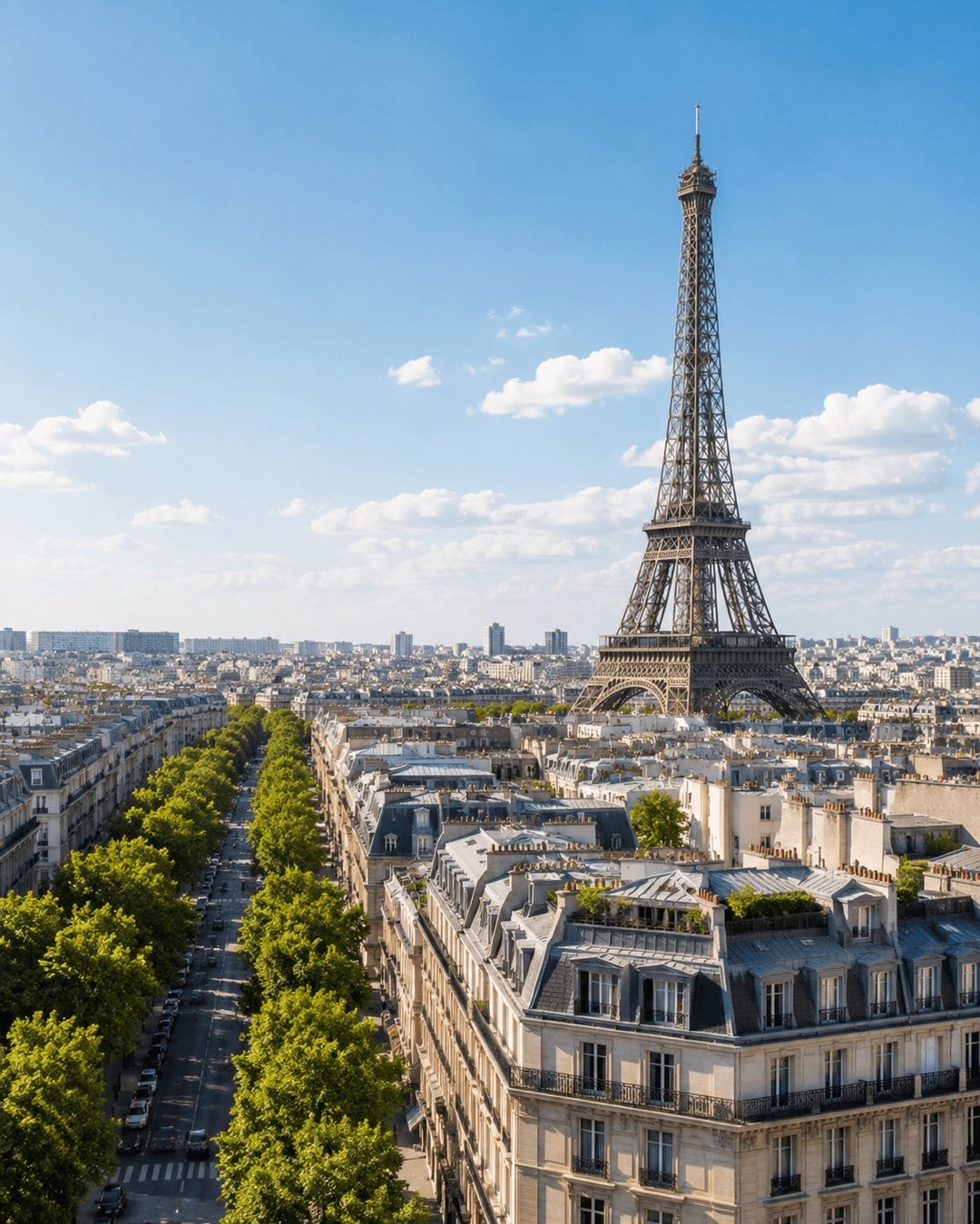
Cheval Blanc Paris offers the first useful test. Its 2025 record describes an urban maison palace hotel in Paris, defined by Seine-facing Samaritaine setting, Peter Marino interiors, LVMH maison service, and a major new Paris palace-hotel statement, while the ranking rationale points to Cheval Blanc Paris stood out in 2025 for Seine-facing Samaritaine setting, Peter Marino interiors, LVMH maison service, and a major new Paris palace-hotel statement. Its combination of service, reputation, design, location, lifestyle offering, and editorial relevance made it a defensible global benchmark within urban maison palace hotel hospitality. Those findings establish a serious editorial case without pretending that one hotel can answer every traveller. Read the property through from piccadilly, the park creates a useful edge: mayfair, st james’s and the west end can fill a weekend without crossing london repeatedly. The address matters here because its operating idea clarifies a choice about time, privacy and place rather than simply adding another celebrated name.
Hotel
The Ritz London
London, United KingdomThe Ritz London is a grand city hotel in London, defined by Edwardian ceremony, service tradition, afternoon-tea culture, and durable international prestige.
Open the record →Hotel
Chable Yucatan
Chochola, Yucatan, MexicoChable Yucatan is a hacienda wellness resort in Chochola, Yucatan, defined by restored hacienda architecture, cenote landscape, wellness programming, and modern Mexican identity.
Open the record →Hotel
Cheval Blanc Paris
Paris, FranceCheval Blanc Paris is an urban maison palace hotel in Paris, defined by Seine-facing Samaritaine setting, Peter Marino interiors, LVMH maison service, and a major new Paris palace-hotel statement.
Open the record →London rewards the traveller who chooses one radius and discovers how much city already lives inside it.
The World’s Best Travel Desk
03The morning belongs to the neighbourhood
From Piccadilly, the park creates a useful edge: Mayfair, St James’s and the West End can fill a weekend without crossing London repeatedly. That proposition should be tested across a complete day rather than at the ceremonial arrival. Morning reveals sound, shade and neighbourhood access. The middle hours expose whether the room truly restores attention. Evening shows how naturally food, guidance and privacy change register when the guest is tired rather than newly impressed.
Setting imposes limits that money cannot entirely remove. Wind can delay a crossing, summer heat can narrow the useful hours, traffic can make a short distance emotionally costly and an old building can carry acoustic compromises. Authoritative planning acknowledges those facts before departure, then spends only where a transfer, guide, room orientation or additional night will genuinely reduce friction.
An unclaimed hour is part of the evidence. Time beside water, in a garden, under a tree or at a neighbourhood table can reveal whether the hotel has a relationship with its destination or merely a view of it. The ranked address earns its place when staying still feels connected to the journey rather than like a retreat from its substance.
04Service that returns time
Service should be judged as a chain: enquiry, arrival, luggage, orientation, housekeeping, food, local knowledge, privacy, sleep and departure. A polished welcome cannot compensate for responsibility passed conspicuously between departments. The greater the distance or the shorter the stay, the more valuable it becomes when one person retains command of the answer.
Prestige encourages overreach when every neighbourhood appears close enough to add to a short stay. Ask practical questions in plain language and expect replies that identify the room, timing, route or policy involved. Vague assurance is especially weak where weather, water, mobility, wildlife or congestion controls the day. Precision need not feel cold. At its best, it is a form of care that lets the guest stop supervising the journey.
The finest attention changes volume. It may be anticipatory before arrival, informative before an excursion and almost absent once a private rhythm has been found. Constant performance is not personal service. Judgement appears in the moment staff recognise that landscape, architecture, appetite or conversation should be allowed to carry the experience.
05Why another reservation weakens the weekend
Prestige encourages overreach when every neighbourhood appears close enough to add to a short stay. Luxury travel still too easily rewards abundance: more space, more courses, more treatments, more transfers and more appointments. The result can be a journey whose principal activity is managing what has already been purchased. The correction is not austerity; it is a clear reason for every elaborate choice.
The Ritz London, Chable Yucatan, Cheval Blanc Paris should not be forced into another league table. They answer different needs and inhabit different settings. Comparison is useful only when it sharpens suitability: who welcomes ceremony, who needs independence, who wants guidance and who will feel constrained by the same structure another traveller finds reassuring.
There is a further difference between a hotel that photographs as complete and a journey that feels complete from within. The first can be established in minutes; the second depends on how the property behaves when the scene is untidy—a delayed room, a wet return, a dietary change or an evening when appetite refuses the plan. Resilience, not flawlessness, is the more mature luxury.
06The details to settle before arrival
Reconfirm the material facts close to departure: access, seasonal operation, room orientation, food, mobility, cancellation terms and any hours controlled by weather. The 2025 ranking record does not freeze those conditions. Responsible editorial guidance separates durable evidence from details that remain capable of changing.
Protect the least glamorous hour. A late arrival, wet luggage, interrupted transfer, dietary adjustment or request for discretion will reveal more about an operation than the prepared lobby scene. Keep consequential agreements in writing, build realistic margins around transport and avoid making the first important reservation depend on perfect timing.
Then stop administering the trip. Preparation has succeeded when it becomes invisible after arrival. A folder of confirmations should create freedom, not follow the guest from room to car to table. The best arrangements preserve enough attention for the destination to answer back.
07A city break with room to breathe
London rewards the traveller who chooses one radius and discovers how much city already lives inside it. The three hotels in this report are evidence and contrast, not instructions. Fit still turns on company, mobility, privacy, appetite, season and the amount of attention a traveller wants to give the world outside the hotel.
The World’s Best is most useful when it begins rather than ends judgement. An annual ranking can identify exceptional systems and articulate why they matter, yet even an exceptional system may be wrong for a particular purpose. The informed traveller reads the evidence, tests it against the journey and refuses the false certainty of prestige alone.
Editing is therefore not a retreat from pleasure. Another booking can weaken the one already made; another hotel can turn distinct places into luggage logistics. A disciplined itinerary allows scale, silence and anticipation to return. It also gives staff the space to exercise judgement rather than forcing every hour through a prewritten sequence.
That is the enduring luxury in 2025: time and movement unusually well held, including when weather changes or appetite revises the plan. From Piccadilly, the park creates a useful edge: Mayfair, St James’s and the West End can fill a weekend without crossing London repeatedly. Verify what can change, leave part of the day unclaimed and choose the address whose particular limits feel intelligent. The result is not a flawless journey, but a more resilient and memorable one.