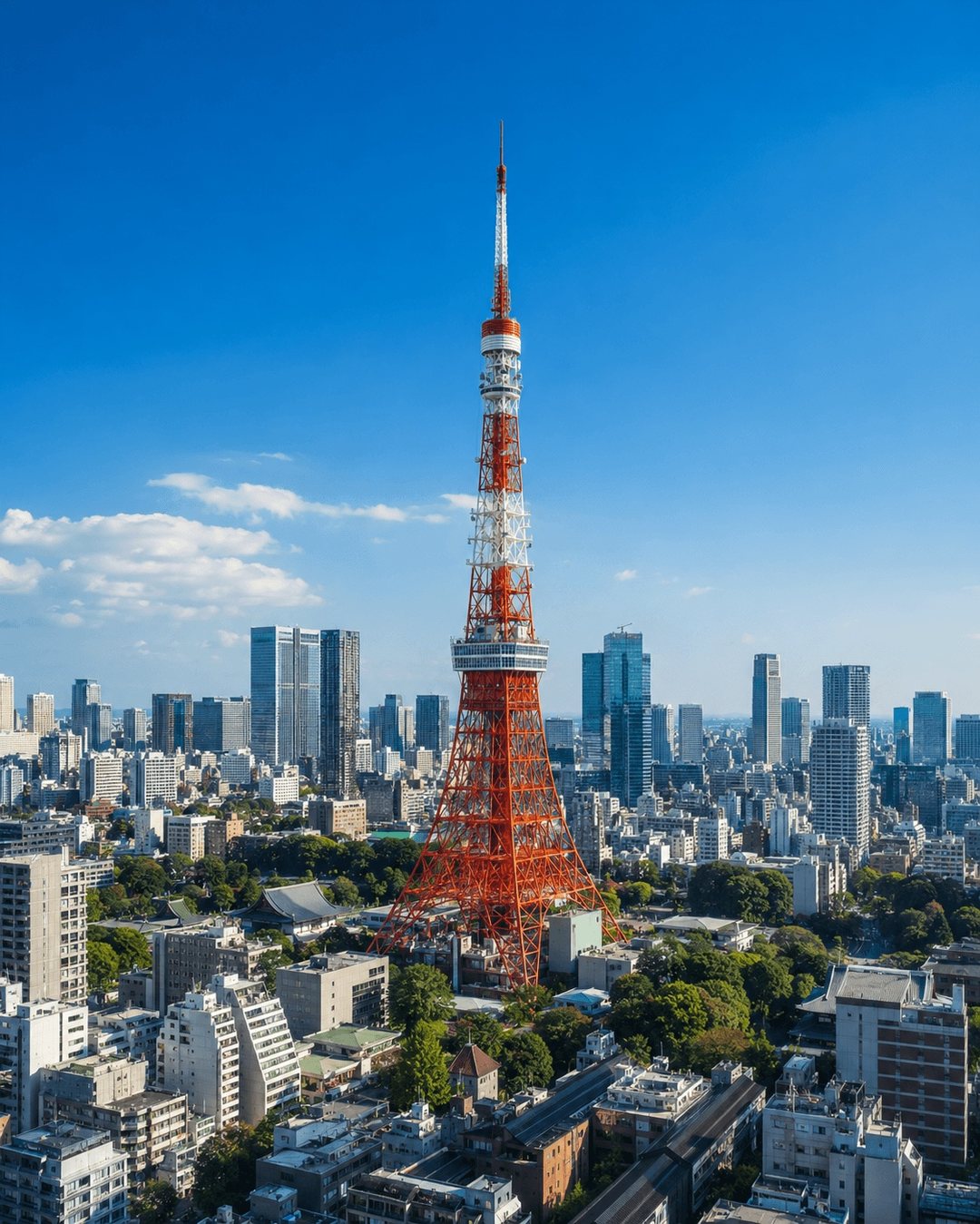
Kyoto’s Best Quiet Morning Starts Before the Temples
Six Senses Kyoto makes the hours around breakfast and first departure as important as the day’s cultural appointments.
Executive brief
Kyoto rewards timing more than ambition. Six Senses Kyoto offers a 2025 base for early streets, controlled pacing and a hotel return that protects attention.
01The journey needs a governing idea
Kyoto is most generous in the hour before tour groups and traffic turn a private encounter into a public itinerary. A serious hotel journey is not a chain of reservations; it is an argument about place, pace and the changing needs of the traveller. Kyoto’s best quiet morning begins with sleep, an early departure and enough restraint to leave one major temple for another day.
Wellness language can become another schedule when treatments, excursions and dining are stacked so densely that the city is never allowed to breathe. That tension is the reason for this edit. The featured hotels are drawn from the annual The World’s Best Hotels file current to this editorial argument, using the distinctions and year-specific assessments available at publication. No later editorial review, reopening or change of management is used to rewrite the present.
Kyoto travellers who care more about depth, timing and recovery than completing a famous-site checklist should read the selection as a set of decisions rather than a command. Leave at first light, return for a late breakfast, reserve the afternoon for one district and keep the evening within walking distance. The objective is not exhaustive coverage; it is enough evidence and context to decide which form of luxury belongs to this journey now.
02Hotels as points of orientation
Kyoto’s best quiet morning begins with sleep, an early departure and enough restraint to leave one major temple for another day. The distinctions provide a common editorial frame, but rank alone cannot explain suitability. Six Senses Kyoto, Aman Kyoto, The Ritz-Carlton, Kyoto and Mandarin Oriental, Tokyo operate across different landscapes, city rhythms and service cultures. Their positions make them worth examining; their differences make the examination useful.
A 2025 recommendation must remain in the present tense. Prices, policies, access and opening arrangements can change within the year, so the fixed facts of the editorial file should be separated from details that require direct confirmation. Confirm breakfast flexibility, guide start time, transfers, footwear, seasonal crowds, room quiet and the cancellation plan for heavy weather. Authority is not confidence about an unchecked detail; it is clarity about what is known and what still needs to be asked.
In Kyoto, the first luxury is arriving before the crowd.
The World’s Best Travel Desk
03The sequence that protects attention
The itinerary gives Six Senses Kyoto a practical role. Its 2025 standing is No. 9 · The World’s Best Hotels 2024 ·, supported by the assessment: Six Senses Kyoto is a wellness-led heritage city hotel in Kyoto, defined by Higashiyama location, wellness programming, Japanese craft language, garden calm, and Six Senses' first Japanese hotel. In that edition, it arrived as Kyoto's luxury market matured beyond ryokan tradition into wellness-led international hospitality. Kyoto’s best quiet morning begins with sleep, an early departure and enough restraint to leave one major temple for another day. Stay long enough to encounter more than arrival theatre, and protect the departure day from a final performance of excess. The hotel succeeds when the journey leaves with greater clarity, not merely another set of photographs.
Aman Kyoto is a point of orientation in this journey, not a trophy inserted between transfers. Its No. 82 · The World’s Best Hotels 2025 · record reads: Aman Kyoto is a forest garden resort in Kyoto, defined by hidden forest garden setting, Kyoto craft references, quiet pavilions, and Aman-level calm. In that edition, it remained a commercially and editorially relevant global luxury hotel, supported by hidden forest garden setting, Kyoto craft references, quiet pavilions, and Aman-level calm and a clear position within Kyoto's high-end hospitality market. The location, service rhythm and emotional temperature should prepare the traveller for the next stop while remaining complete on their own terms. Leave at first light, return for a late breakfast, reserve the afternoon for one district and keep the evening within walking distance. A route becomes persuasive when the differences among its hotels sharpen rather than cancel one another.
The itinerary gives The Ritz-Carlton, Kyoto a practical role. Its 2025 standing is No. 35 · The World’s Best Hotels 2025 ·, supported by the assessment: The Ritz-Carlton, Kyoto is an urban resort hotel in Kyoto, defined by Kamogawa River setting, Kyoto craft references, and a major international luxury-brand arrival. In that edition, it remained a commercially and editorially relevant global luxury hotel, supported by Kamogawa River setting, Kyoto craft references, and a major international luxury-brand arrival and a clear position within Kyoto's high-end hospitality market. Kyoto’s best quiet morning begins with sleep, an early departure and enough restraint to leave one major temple for another day. Stay long enough to encounter more than arrival theatre, and protect the departure day from a final performance of excess. The hotel succeeds when the journey leaves with greater clarity, not merely another set of photographs.
Mandarin Oriental, Tokyo is a point of orientation in this journey, not a trophy inserted between transfers. Its No. 65 · The World’s Best Hotels 2024 · record reads: Mandarin Oriental, Tokyo is an urban luxury hotel in Tokyo, defined by Nihonbashi location, sky-high views, polished Japanese service, and strong dining credentials. In that edition, it was a leading international luxury hotel in Tokyo and a key expression of Mandarin Oriental's Asian brand authority. The location, service rhythm and emotional temperature should prepare the traveller for the next stop while remaining complete on their own terms. Leave at first light, return for a late breakfast, reserve the afternoon for one district and keep the evening within walking distance. A route becomes persuasive when the differences among its hotels sharpen rather than cancel one another.
Hotel
Six Senses Kyoto
Kyoto, JapanSix Senses Kyoto is a wellness-led heritage city hotel in Kyoto, defined by Higashiyama location, wellness programming, Japanese craft language, garden calm, and Six Senses' first Japanese hotel.
Open the record →Hotel
Aman Kyoto
Kyoto, JapanAman Kyoto is a forest garden resort in Kyoto, defined by hidden forest garden setting, Kyoto craft references, quiet pavilions, and Aman-level calm.
Open the record →Hotel
The Ritz-Carlton, Kyoto
Kyoto, JapanThe Ritz-Carlton, Kyoto is an urban resort hotel in Kyoto, defined by Kamogawa River setting, Kyoto craft references, and a major international luxury-brand arrival.
Open the record →Hotel
Mandarin Oriental, Tokyo
Tokyo, JapanMandarin Oriental, Tokyo is an urban luxury hotel in Tokyo, defined by Nihonbashi location, sky-high views, polished Japanese service, and strong dining credentials.
Open the record →04What each stop contributes
Confirm breakfast flexibility, guide start time, transfers, footwear, seasonal crowds, room quiet and the cancellation plan for heavy weather. Send the important questions in one concise note and look for answers that demonstrate ownership rather than forwarding. The response should identify the room, transfer or dining condition being promised and explain any limitation without ornamental language.
On property, examine the full chain: arrival, luggage, room orientation, housekeeping, food, transport, privacy and departure. A single memorable gesture is welcome, but consistency is the more demanding luxury. Wellness language can become another schedule when treatments, excursions and dining are stacked so densely that the city is never allowed to breathe. The hotel should be able to recover when the ideal sequence breaks.
05The case for leaving something out
Wellness language can become another schedule when treatments, excursions and dining are stacked so densely that the city is never allowed to breathe. The answer is not austerity. It is to demand that every expensive or scarce element contributes to the central purpose of the stay. An upgrade, private transfer or elaborate dinner has value when it protects attention, sleep, appetite or access; otherwise it is simply another transaction requiring management.
Kyoto travellers who care more about depth, timing and recovery than completing a famous-site checklist should decide what to decline before adding another promise. Leave at first light, return for a late breakfast, reserve the afternoon for one district and keep the evening within walking distance. The strongest edit leaves enough unclaimed time for the hotel and its setting to become more than a sequence of services.
06Bookings, transfers and the practical file
Confirm breakfast flexibility, guide start time, transfers, footwear, seasonal crowds, room quiet and the cancellation plan for heavy weather. Confirm the material points close to travel: exact room category, orientation, access, transfer, meal format, cancellation terms and any work that could alter the stay. Use the hotel’s current written response and competent official sources rather than an old itinerary or saved promotional page.
Then map the least glamorous hour. Consider a late arrival, heat, rain, seas, luggage, mobility, dietary limits or a request for discretion. If the plan still works under those conditions, its luxury is structural rather than decorative. Kyoto’s best quiet morning begins with sleep, an early departure and enough restraint to leave one major temple for another day.
The booking should preserve alternatives without making staff or local providers absorb avoidable uncertainty. The measure of the day is not how much Kyoto was covered, but how clearly one part of it was understood. Communicate changes promptly, respect cancellation policies and keep the most important arrangements documented offline. Good preparation is felt as freedom once the journey begins.
07The route in full
The measure of the day is not how much Kyoto was covered, but how clearly one part of it was understood. The editorial record supports why these hotels belong in the 2025 conversation; it does not claim that one property is universally correct. Personal suitability remains a matter of route, company, mobility, appetite, privacy and the kind of attention the traveller wishes to give.
Kyoto travellers who care more about depth, timing and recovery than completing a famous-site checklist should also consider the physical and emotional cost of the choice. Leave at first light, return for a late breakfast, reserve the afternoon for one district and keep the evening within walking distance. A celebrated hotel can still be wrong for a short stay, an early departure, a guest who needs step-free movement or a family whose days divide naturally. Luxury is not diminished by naming those limits. It becomes more exact. The most persuasive booking is the one in which room, access, service and setting support the traveller’s real behaviour without requiring constant adaptation to the property’s preferred image.
This is a 2025 editorial file, written for decisions being made now. The rankings and year-specific assessments establish a point of view at publication; changeable details remain the responsibility of direct verification. Confirm breakfast flexibility, guide start time, transfers, footwear, seasonal crowds, room quiet and the cancellation plan for heavy weather. If a material condition changes, protect the central premise—Kyoto’s best quiet morning begins with sleep, an early departure and enough restraint to leave one major temple for another day.—and alter the least essential booking around it. A sound itinerary can absorb weather, timing or availability without losing its character. That resilience is not separate from luxury. It is the quiet result of priorities set before the journey begins.
There is a simpler final test. If the hotel’s name can be removed and the day still has a distinct geography, service rhythm and emotional shape, the stay is probably doing more than trading on reputation. In Kyoto, the first luxury is arriving before the crowd. That is the form of Best worth carrying forward through the rest of this year.
Hotel
Six Senses Kyoto
Kyoto, JapanSix Senses Kyoto is a wellness-led heritage city hotel in Kyoto, defined by Higashiyama location, wellness programming, Japanese craft language, garden calm, and Six Senses' first Japanese hotel.
Open the record →Hotel
Aman Kyoto
Kyoto, JapanAman Kyoto is a forest garden resort in Kyoto, defined by hidden forest garden setting, Kyoto craft references, quiet pavilions, and Aman-level calm.
Open the record →Hotel
The Ritz-Carlton, Kyoto
Kyoto, JapanThe Ritz-Carlton, Kyoto is an urban resort hotel in Kyoto, defined by Kamogawa River setting, Kyoto craft references, and a major international luxury-brand arrival.
Open the record →Hotel
Mandarin Oriental, Tokyo
Tokyo, JapanMandarin Oriental, Tokyo is an urban luxury hotel in Tokyo, defined by Nihonbashi location, sky-high views, polished Japanese service, and strong dining credentials.
Open the record →