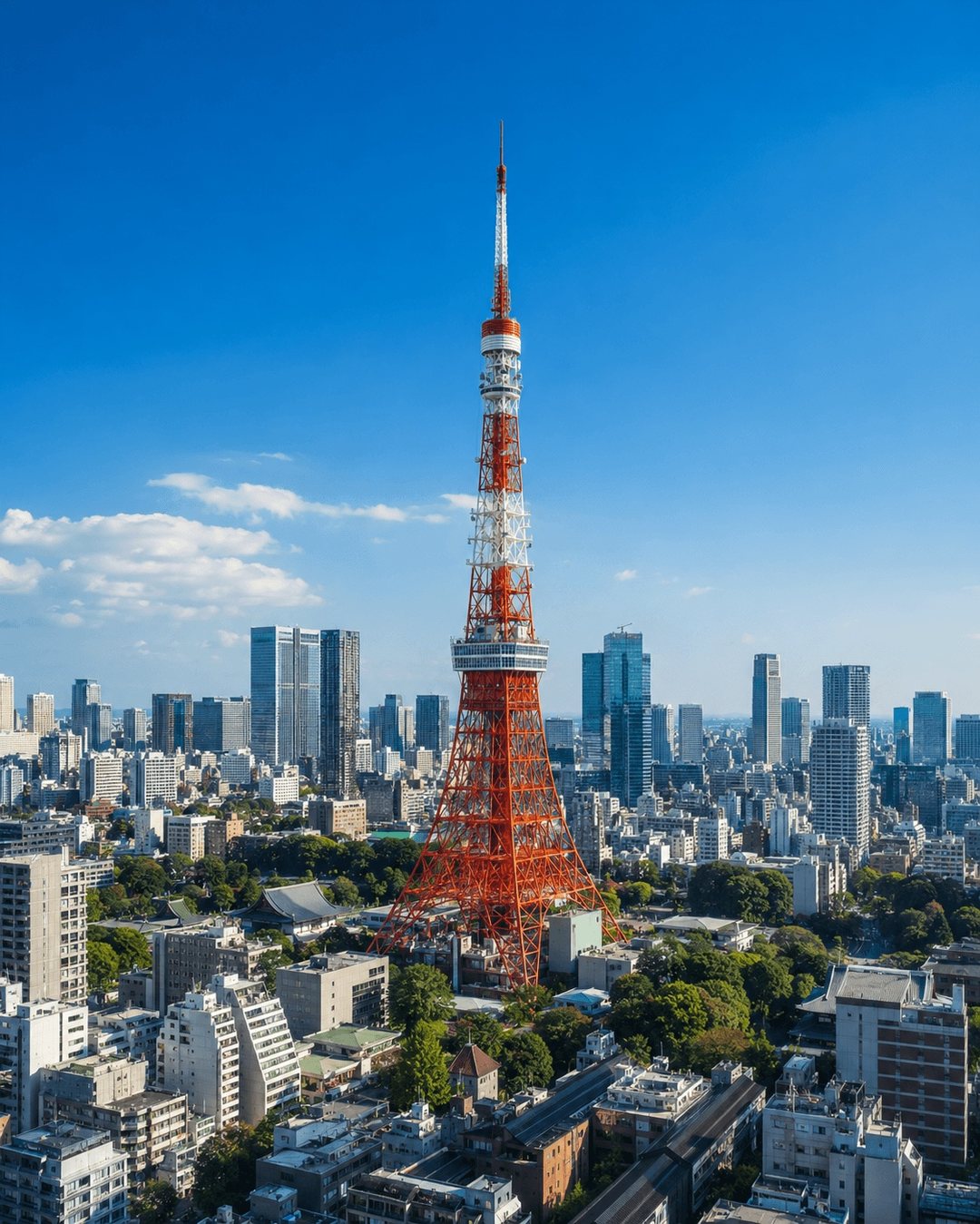
The Japan Trip Worth Crossing the World For
Kyoto’s restorative quiet, Shima’s hot-spring coast, Tokyo’s authored dining rooms and Niseko’s mountain air form a journey built around seven of the highest-reviewed addresses in our 2026 review.
Executive brief
This is Japan as a sequence of distinct tempos: contemplative Kyoto, elemental Shima, exhilarating Tokyo and the clear mountain pause of Niseko.
01Build the journey around contrast, not coverage
Japan tempts ambitious travellers into a familiar error: adding one more city, one more train and one more reservation until the itinerary becomes an exercise in luggage management. A more luxurious route is selective. Begin in Kyoto, where the pace encourages attention; move south-east to the coast and thermal waters of Shima; commit a generous week to Tokyo; then, if the season and flight plan allow, finish among the mountains of Hokkaido. Four settings are enough to reveal several Japans without flattening any of them into a rushed impression.
The reviewed addresses in this itinerary were chosen because they sharpen those contrasts. Six Senses Kyoto is strongest in wellbeing and service. Amanemu uses restoration and the range of the stay to interpret Shima. Higashiyama Niseko Village brings food and service to a mountain context. Tokyo’s L’Effervescence, Den, NARISAWA and Sazenka each hold a leading restaurant record for the stated edition, yet their culinary languages differ radically: ecological French-Japanese cooking, personal kaiseki, nature-led innovation and a conversation between Chinese technique and Japanese sensibility.
The result is not a greatest-hits circuit. It is a journey about the way Japanese hospitality changes with place. In Kyoto, restraint is spatial and temporal. In Shima, it is tied to water and landscape. Tokyo turns restraint into authorship, with chefs making highly specific arguments inside an almost limitless city. Niseko offers physical release: snow, forest, open views and the appetite that comes after a day outdoors.
Reserve the restaurants before polishing the rest of the schedule, but leave daylight hours loose. A serious tasting menu occupies more than an evening; it changes how lunch and the following morning should feel. The same principle applies to hotels with strong restorative programmes. Do not book a place for its calm and then defeat that calm with three appointments a day. Luxury in Japan is often the decision to notice more by doing less.
Hotel
Six Senses Kyoto
Kyoto Prefecture, JapanAt Six Senses Kyoto, strength in its restorative facilities is matched by strength in the depth of its service system.
Open the record →Hotel
Amanemu
Shima, JapanThis hotel in Shima, Japan draws its authority from its restorative facilities and the range of the complete stay.
Open the record →02Kyoto: let the first days be quiet
Kyoto is most rewarding before the itinerary has acquired momentum. Arrive with enough time to absorb the city’s small calibrations: the transition from street to garden, the sound of water in a courtyard, the way a meal is paced by season and vessel as much as flavour. Six Senses Kyoto is a useful base because its 2026 exceptional luxury case begins with restoration and service. Those strengths make the hotel less a trophy address than a buffer between long-haul travel and one of the world’s most layered historic cities.
Spend the first morning close to the hotel. Kyoto does not need to be conquered from east to west. Choose one district, walk between a temple, a garden and lunch, then return before the afternoon becomes a race. The city’s famous sites are genuinely important, but their meaning is diluted when they are consumed as a sequence of photographs. An early start, a narrow geographical plan and a willingness to sit still produce a more privileged encounter than any amount of access.
At the hotel, use the wellbeing programme to correct time rather than fill it. A treatment, quiet swim or measured breakfast can restore the body’s clock without turning recovery into another performance. The reviewed strength in service matters here: staff should be able to edit the city for the guest, distinguishing between what requires advance planning and what can remain spontaneous. The best concierge work is not an overflowing list; it is the confidence to remove what does not belong.
Four nights is a sensible beginning, five if Kyoto is new. Build one evening around formal dining, another around a modest neighbourhood restaurant, and keep at least one open. The city changes after day visitors leave, when lantern light and the sound of bicycles return to smaller streets. That quieter Kyoto is the reason to stay rather than commute in, and it is the emotional foundation for the faster chapters ahead.
Japan rewards the traveller who allows each stop to keep its own tempo rather than asking the whole country to perform one idea of refinement.
The World’s Best Travel Desk
03Shima: water, mineral heat and the luxury of a horizon
Amanemu sits in Shima, on the deeply indented coast of the Kii Peninsula, and changes the scale of the journey almost immediately. Where Kyoto concentrates detail, Shima opens the view. The hotel’s exceptional luxury distinction is led by wellbeing and the completeness of the experience, which is precisely how a coastal retreat should make its case. The room, bath, landscape and meal are not separate departments; they are variations on one slower relationship with water.
This stop is the hinge between cultural immersion and metropolitan intensity. Allow at least three nights. The first disappears into arrival, the second establishes the resort’s rhythm and the third finally feels unclaimed. Thermal bathing works best when it is not treated as a single appointment. Let it punctuate the day: a morning soak, time outdoors, an afternoon return and dinner with the appetite that landscape creates.
Shima’s appeal is not spectacle in the usual sense. The coastline is intricate rather than monumental, and its power comes through repetition—the changing surface of the bay, wooded slopes, the sequence of inlets and islands. A hotel here should encourage looking, not compete with the view. Amanemu’s strongest proposition is therefore spatial and temporal: privacy enough to withdraw, and enough connection with the setting that withdrawal never becomes dislocation.
Travellers who normally become restless at resorts may be surprised by this chapter. The key is to accept that the journey is still moving, only internally. Use Shima to readjust before Tokyo: sleep properly, eat at a deliberate pace and resist adding an unnecessary day trip. When departure comes, the capital will feel more vivid because the senses have not been exhausted in advance.
04Tokyo, part one: L’Effervescence and Den
Tokyo is not one dining city but hundreds of overlapping ones, and the most rewarding itinerary pairs restaurants that disagree productively. L’Effervescence and Den both draw deeply on Japanese seasonality, yet they use it to different ends. L’Effervescence treats the restaurant as an ecological and social instrument, building a meal in which French technique, growers, tea, rice and environmental accountability support the same argument. Den loosens kaiseki conventions with humour and warmth, allowing personality to enter without weakening craft.
L’Effervescence holds a leading restaurant record for the stated edition and one of the highest restauranteditorial record in the 2026 record. The importance of that distinction is not grandeur. It is coherence over time: a culinary foundation that has continued to evolve, a relationship with producers and a regenerative programme presented as an operating responsibility rather than an accessory. The meal belongs on an early Tokyo evening, when concentration is fresh and the journey from Kyoto and Shima remains present in the palate.
Den should follow on a different night, ideally after a day with no formal lunch. The restaurant’s gift is to show that seriousness and play are not opposites. Personal references and moments of wit change the emotional temperature of a highly considered meal. This matters in a city where precision is sometimes described so reverently that pleasure disappears from the account. Den restores the human voice to the centre of the experience.
Do not place these dinners back to back. Leave a simpler evening between them: sushi at a counter, yakitori, soba or a neighbourhood izakaya where the scale of the meal contracts. Contrast protects memory. Without it, even exceptional tasting menus can merge into a procession of courses, ceramics and service gestures. Tokyo’s great advantage is that the modest and the elaborate coexist at the highest level of attention; use both.
Restaurant
L'Effervescence
Tokyo, JapanL'Effervescence treats a restaurant as an ecological and social instrument, then makes that argument legible through food.
Open the record →Restaurant
Den
Tokyo, JapanTokyo kaiseki conventions loosen through humour, warmth and a distinctly personal voice.
Open the record →05Tokyo, part two: NARISAWA and Sazenka
NARISAWA and Sazenka offer another fruitful opposition. NARISAWA reads Japanese landscapes and ecological thinking through a restrained, nature-led cuisine. Sazenka begins with Chinese technique and Japanese sensibility, but refuses the easy language of fusion. It treats the relationship as historical and intellectual, expressed through the structure of a meal rather than a collage of recognizable references.
At NARISAWA, the context should begin before the first course. Spend the day with landscape in mind: a garden, a museum with space around it, or a walk that makes Tokyo’s trees and seasonal shifts visible. The restaurant’s Three-restaurant records distinction rests on a culinary language in which nature is not decorative rhetoric. Arriving with some attention already directed toward season and ecology allows the meal’s argument to register more clearly.
Sazenka asks for a different kind of focus. Its distinction comes from fluency—technical, cultural and historical. The point is not to identify whether a particular gesture is Chinese or Japanese but to understand how the restaurant creates continuity between them. This is fine dining as conversation rather than category. It is especially compelling late in a Japan itinerary, once the traveller has encountered enough local culinary form to recognize both the discipline and the freedom involved.
Together, the four Tokyo restaurants form a compact education in authorship. None relies on luxury ingredients alone. Each has a thesis about the relationship between technique, place and hospitality. That is why a full week in the city is not excessive. Restaurants of this depth need space around them, and Tokyo itself needs unscheduled hours in which a coffee bar, stationery shop, small gallery or quiet residential street can become as memorable as the reservation anchoring the evening.
Restaurant
NARISAWA
Tokyo, JapanJapanese landscapes and ecological thinking anchor NARISAWA's restrained, nature-led cooking.
Open the record →Restaurant
Sazenka
Tokyo, JapanSazenka treats Chinese technique and Japanese sensibility as a historical conversation rather than a fusion formula.
Open the record →06Niseko: finish with mountain clarity
Higashiyama Niseko Village, a Ritz-Carlton Reserve, gives the journey a physical final act. Its exceptional luxury editorial review is led by dining and service, supported by wellbeing—a persuasive combination in a mountain hotel where the guest’s day is shaped by weather, exertion and appetite. Whether the landscape is under snow or green with summer, the experience should move between time outdoors and a deeply comfortable return.
In winter, Niseko’s reputation naturally centres on snow, but the hotel should not be reduced to ski access. The larger pleasure is the way a mountain changes domestic rituals. Breakfast carries purpose, the bath has genuine restorative value, and dinner arrives after the body has earned stillness. In warmer months, walking and open views replace the intensity of the slopes while preserving that relationship between movement and recovery.
The Reserve format suits travellers who want a hotel with enough identity to hold a final chapter, not merely a convenient lodge. Food matters particularly after Tokyo. A mountain kitchen cannot imitate the capital’s density, and should not try; it must interpret Hokkaido’s ingredients and climate in a way that feels generous, direct and suited to the day. The property’s reviewed strengths suggest that this social and culinary life is central rather than ancillary.
Allow four nights if arriving from Tokyo, longer for a dedicated ski stay. The domestic flight makes Niseko a deliberate addition, so it should not be compressed into a weekend. The reward is a genuine reset before the journey home. Japan’s great cities can leave the mind exhilarated and full; Hokkaido gives those impressions room to settle.
07The planning notes that preserve the pleasure
Book with an order of priority. Secure the hardest restaurant tables first, then the small number of hotel dates that cannot move, and only afterwards settle internal transport. Avoid constructing transfers so tightly that a delayed train threatens dinner. One generous buffer afternoon is more luxurious than a suite upgrade undermined by anxiety. Luggage forwarding can further simplify the route, especially before Shima or Niseko, where travelling with only what the next chapter requires changes the emotional weight of moving.
Season should determine emphasis rather than decide whether Japan is possible. Spring and autumn bring famous beauty and greater demand. Winter gives Kyoto clarity, Tokyo a sharp urban energy and Niseko its defining snow. Summer calls for a slower programme, shaded mornings and perhaps a stronger focus on Hokkaido. The essential point is to accept the season you choose rather than trying to reproduce another one’s itinerary.
Leave culinary breathing room. Four Three-restaurant records meals in a week are substantial, even for dedicated diners. Schedule them on nonconsecutive nights, keep lunches modest and drink enough water. More importantly, protect appetite as curiosity rather than capacity. A bowl of noodles, a piece of fruit and a quiet afternoon may prepare the senses for an ambitious dinner better than a day of constant sampling.
Japan offers an almost infinite number of excellent routes. This one succeeds because it accepts limits. Kyoto, Shima, Tokyo and Niseko each retain their own register; the hotels and restaurants clarify rather than blur those differences. Return home with places left unvisited. The unresolved map is not a failure of planning—it is the most convincing reason to come back.