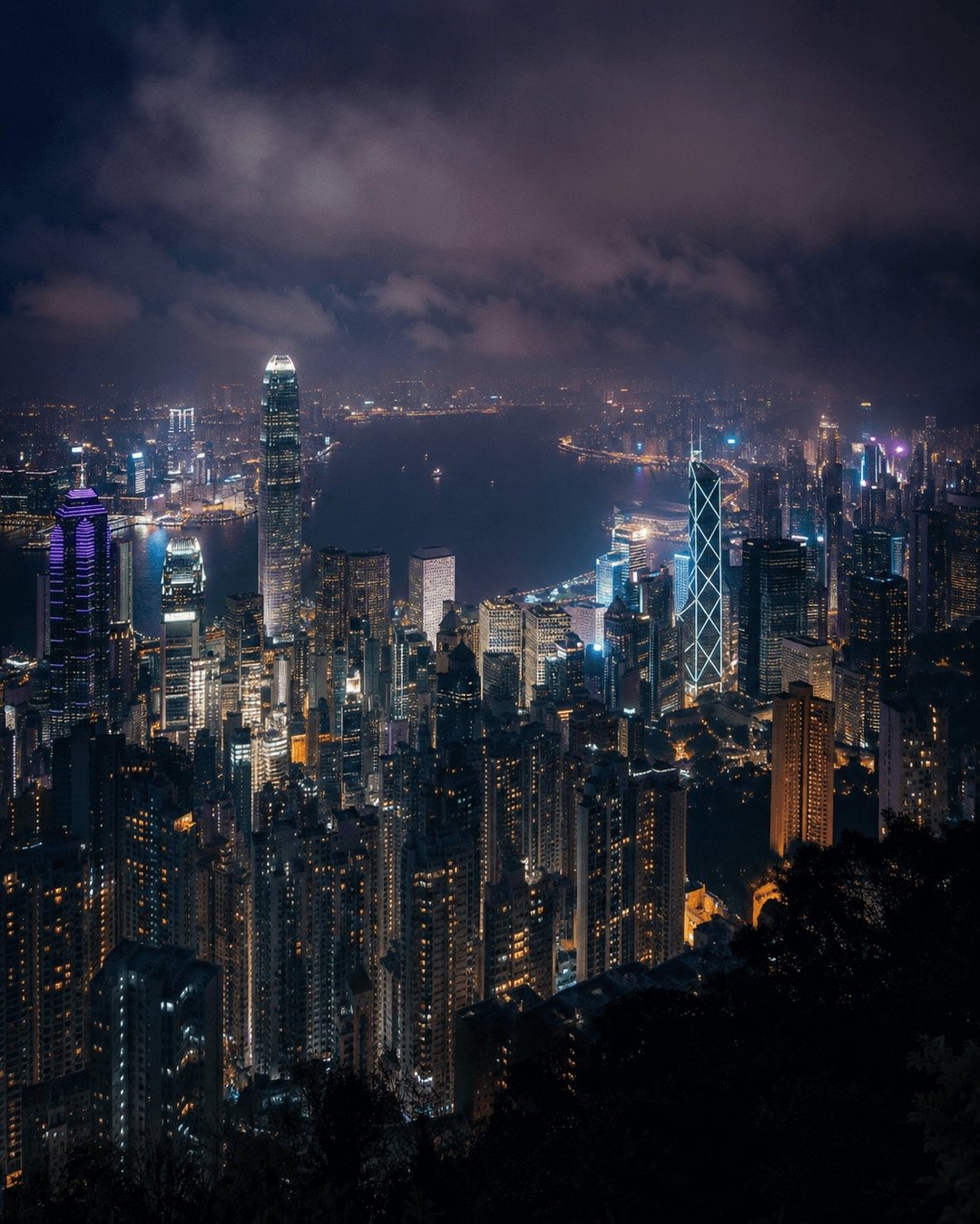
Hong Kong’s Best Hotel Day Crosses the Harbour Twice
The Peninsula Hong Kong, The Upper House and Regent Hong Kong reveal why ferry timing, street access and the return after dinner matter more than the highest room.
Executive brief
The city’s strongest hotels provide a composed return without weakening the traveller’s appetite for ferries, pavements and late-night movement. The hotel succeeds when the return feels composed but never like a retreat from Hong Kong.
01The first useful observation
Hong Kong’s harbour is both view and transport, and the best hotel day understands that crossing it changes mood more completely than watching it from above. Useful field notes separate what the annual record establishes from the conditions that weather, timing and individual appetite can still change. The city’s strongest hotels provide a composed return without weakening the traveller’s appetite for ferries, pavements and late-night movement.
A celebrated outlook can create a passive relationship with a city whose meaning depends on density, humidity and quick changes of scale. This report uses the published 2026 Best 100 ranking records, approved hotel profiles and linked media as its factual foundation. It does not claim a stay, inspection, interview or other first-hand encounter. Rank andeditorial record remain comparative editorial findings; the purpose here is to translate those findings into a more exacting travel decision.
Urban travellers choosing between Kowloon ceremony and Admiralty restraint while wanting the harbour to remain part of the itinerary will gain more by resisting completeness. Start in Kowloon, cross before lunch, stay on Hong Kong Island through the early evening and return by the route that keeps the harbour present. A persuasive trip feels composed but remains porous enough for weather, appetite and company to revise the plan. The aim is not to collect every recognised experience. It is to protect the few that give the journey its character.
02Place before programme
Kowloon, Hong Kong, Admiralty, Hong Kong, Tsim Sha Tsui, Hong Kong are not interchangeable backdrops. Light, altitude, water, traffic, season and the social life beyond each hotel alter the meaning of privacy and service. whether its entrance, transport advice and public spaces encourage confident movement across both sides of the water Geography belongs inside the room decision because it governs wake-up time, the shape of the return and the amount of energy required to reach what matters.
Place also sets limits that expensive arrangements cannot erase. A celebrated outlook can create a passive relationship with a city whose meaning depends on density, humidity and quick changes of scale. Wind can cancel a crossing, heat can narrow the useful hours, altitude can change appetite and an apparently short urban distance can become emotionally costly in traffic. An authoritative itinerary acknowledges those facts early, then spends on the transfer, guide or room condition that genuinely reduces friction.
Start in Kowloon, cross before lunch, stay on Hong Kong Island through the early evening and return by the route that keeps the harbour present. This is where pace acquires substance. An empty hour beside water, in a garden, on a terrace or near a fire can reveal more than another appointment. A ranked hotel earns its place in the trip when staying still feels connected to the destination rather than like a retreat from it.
The harbour is not a backdrop; it is the most elegant corridor in the city.
The World’s Best Travel Desk
03The addresses in the notebook
The argument for The Peninsula Hong Kong begins with Kowloon, Hong Kong, Hong Kong. Its 2026 record points to a grand city landmark hotel in Kowloon, Hong Kong, defined by ceremonial arrival, harbour setting, service precision, and a flagship role within one of Asia's great hotel companies. A celebrated outlook can create a passive relationship with a city whose meaning depends on density, humidity and quick changes of scale. Look beyond the ceremonial arrival and ask whether whether its entrance, transport advice and public spaces encourage confident movement across both sides of the water. The best-ranked hotels repeat their point quietly through timing, maintenance and staff judgement instead of depending on one theatrical reveal. Position No. 27 supplies context, but the complete editorial case still belongs to the hours a ranking table cannot show.
The Upper House should be approached as a working base, not a collection of amenities. The 2026 edition records a contemporary design hotel in Admiralty, Hong Kong, defined by Andre Fu's calm residential design, unusually spacious rooms, and highly personal service. Start in Kowloon, cross before lunch, stay on Hong Kong Island through the early evening and return by the route that keeps the harbour present. A traveller will understand that proposition more accurately by following a complete day from first light to sleep than by counting facilities. Confirm ferry hours, weather disruption, room orientation, late entry, walking gradients, restaurant districts, luggage after checkout and airport margins. This keeps the annual distinction useful without confusing a comparative ranking with a promise that every guest wants the same version of luxury.
Regent Hong Kong, No. 98 in the 2026 edition, provides the clearest first case. The annual record identifies it as a harbourfront grand city hotel in Tsim Sha Tsui, Hong Kong, defined by Victoria Harbour frontage, restored Regent identity, cinematic views, polished rooms, and renewed Kowloon luxury prominence. That establishes the property’s position and public proposition; it does not turn the ranking into a universal recommendation. The useful test is whether its entrance, transport advice and public spaces encourage confident movement across both sides of the water. A celebrated outlook can create a passive relationship with a city whose meaning depends on density, humidity and quick changes of scale. The hotel belongs in this edit because its geography and operating idea sharpen the reader’s decision rather than merely adding another famous address.
Hotel
The Peninsula Hong Kong
Kowloon, Hong Kong, Hong KongThe Peninsula Hong Kong is a grand city landmark hotel in Kowloon, Hong Kong, defined by ceremonial arrival, harbour setting, service precision, and a flagship role within one of Asia's great hotel companies.
Open the record →Hotel
The Upper House
Admiralty, Hong Kong, Hong KongThe Upper House is a contemporary design hotel in Admiralty, Hong Kong, defined by Andre Fu's calm residential design, unusually spacious rooms, and highly personal service.
Open the record →Hotel
Regent Hong Kong
Tsim Sha Tsui, Hong Kong, Hong KongRegent Hong Kong is a harbourfront grand city hotel in Tsim Sha Tsui, Hong Kong, defined by Victoria Harbour frontage, restored Regent identity, cinematic views, polished rooms, and renewed Kowloon luxury prominence.
Open the record →04The hours between the visible moments
Service should be judged across the entire chain: enquiry, arrival, luggage, orientation, housekeeping, food, guidance, privacy, sleep and departure. Confirm ferry hours, weather disruption, room orientation, late entry, walking gradients, restaurant districts, luggage after checkout and airport margins. A polished welcome cannot compensate for uncertainty passed between departments. The more remote or compressed the journey, the more valuable it becomes when one person retains responsibility for the answer.
whether its entrance, transport advice and public spaces encourage confident movement across both sides of the water Ask the question in plain language and expect the reply to identify the room, timing, route or policy under discussion. Vague assurance is especially weak where weather, water, altitude, wildlife or urban congestion controls the day. Precision need not feel cold; at its best, it is a form of care that lets the guest stop supervising the trip.
The city’s strongest hotels provide a composed return without weakening the traveller’s appetite for ferries, pavements and late-night movement. The finest attention changes volume. It can be anticipatory at arrival, informative before an excursion and almost absent once the guest has found a private rhythm. Constant performance is not personal service. Good judgement appears in the moment staff recognise that architecture, landscape or conversation should be allowed to carry the experience.
05A ranking is not an itinerary
The 2026 positions give this comparison a disciplined starting point. The Peninsula Hong Kong, The Upper House, Regent Hong Kong earned distinct places through the edition’s combined assessment of service, reputation, design, location, lifestyle depth and editorial significance. Those positions are not interchangeable with personal fit. A lower number cannot decide whether a traveller wants seclusion, urban energy, ceremonial service or the freedom to disappear.
Nor should theeditorial record be read as permanent certificates. They describe the 2026 edition and the records available to that methodology. Staffing, room condition, access, policies and destination circumstances can change after publication. The ranking is most useful when it narrows serious choices and makes the reader ask better questions, not when it removes judgement from the booking.
A celebrated outlook can create a passive relationship with a city whose meaning depends on density, humidity and quick changes of scale. That distinction protects both the annual list and the journey. Editorial recognition can identify exceptional systems, yet even an exceptional system may be wrong for the company, season or purpose at hand. The informed traveller uses rank as evidence, then tests evidence against the particular trip.
06What to establish before departure
Confirm ferry hours, weather disruption, room orientation, late entry, walking gradients, restaurant districts, luggage after checkout and airport margins. Reconfirm the material facts close to departure, especially access, seasonal operation, food, mobility, room orientation, cancellation and the hours that depend on weather. A 2026 ranking record does not freeze those conditions. Responsibility for an elegant trip includes checking the details most capable of changing its rhythm.
Protect the least glamorous hour. A delayed arrival, wet luggage, dietary adjustment, interrupted transfer or request for discretion will reveal more about operation than the prepared lobby scene. Keep important agreements in writing, allow realistic margins and avoid making the first demanding reservation depend on transport arriving exactly as planned.
Then stop administering the journey. Start in Kowloon, cross before lunch, stay on Hong Kong Island through the early evening and return by the route that keeps the harbour present. Preparation has succeeded when it becomes invisible after arrival. A folder of confirmations should create freedom, not follow the guest from room to vehicle to table. The best arrangements leave enough attention for the destination to answer back.
07The judgement that travels home
The hotel succeeds when the return feels composed but never like a retreat from Hong Kong. The hotels in this edit are evidence and contrast, not instructions. Suitability still turns on company, mobility, privacy, appetite, weather and the amount of attention a traveller wants to give the destination.
Luxury is often presented as possession, yet travel exposes the limits of accumulation quickly. The city’s strongest hotels provide a composed return without weakening the traveller’s appetite for ferries, pavements and late-night movement. Another reservation can weaken the one already made; another hotel can convert distinct rooms into luggage logistics. Editing is not a retreat from pleasure. It is what allows pleasure to acquire scale.
The harbour is not a backdrop; it is the most elegant corridor in the city. The line separates discernment from display. A journey does not need to explain its expense at every turn. It needs to make time, movement and company feel unusually well held, including when weather changes or appetite refuses the plan.
That is the useful way to read the Best 100 in 2026: begin with the annual evidence, verify what can change and leave part of the day unclaimed. whether its entrance, transport advice and public spaces encourage confident movement across both sides of the water The result is not a flawless itinerary. It is a more resilient one, capable of remaining elegant when the destination becomes more interesting than the schedule.