Four Best Dinners Worth Building a City Break Around
Madrid, Milan, Berlin and Lisbon each offer a restaurant with enough authorship to shape an evening—and enough consequence to change the day around it.
Executive brief
A destination dinner deserves more than a reservation. It needs an itinerary that protects appetite, attention and the pleasure of returning to the city afterwards.
01A reservation is not yet an itinerary
The destination dinner is often booked first and planned last. A table is secured months ahead, then dropped into a day already crowded with museums, shopping, hotel changes and a lunch nobody thought to reduce. By the appointed hour, the traveller arrives technically punctual and emotionally late. Serious dining asks for more than appetite. It needs concentration, curiosity and enough ease to understand pacing. The luxury lies not in making dinner the day’s sole event, but in editing everything around it so the meal can remain distinct from the fatigue required to reach it.
Build the day geographically. Choose one district, one cultural encounter and a lunch whose modest scale feels intentional rather than punitive. Return to the hotel before dressing if the route allows; otherwise carry no purchases and leave a clean interval between the last appointment and the table. After dinner, avoid the reflex to add a famous bar simply because the night is still young. A walk or one quiet drink may preserve the meal’s final impression. The best city dining itinerary has an afterlife, not an after-party scheduled by default.
02Madrid: distinct authorship rewards an uncluttered day
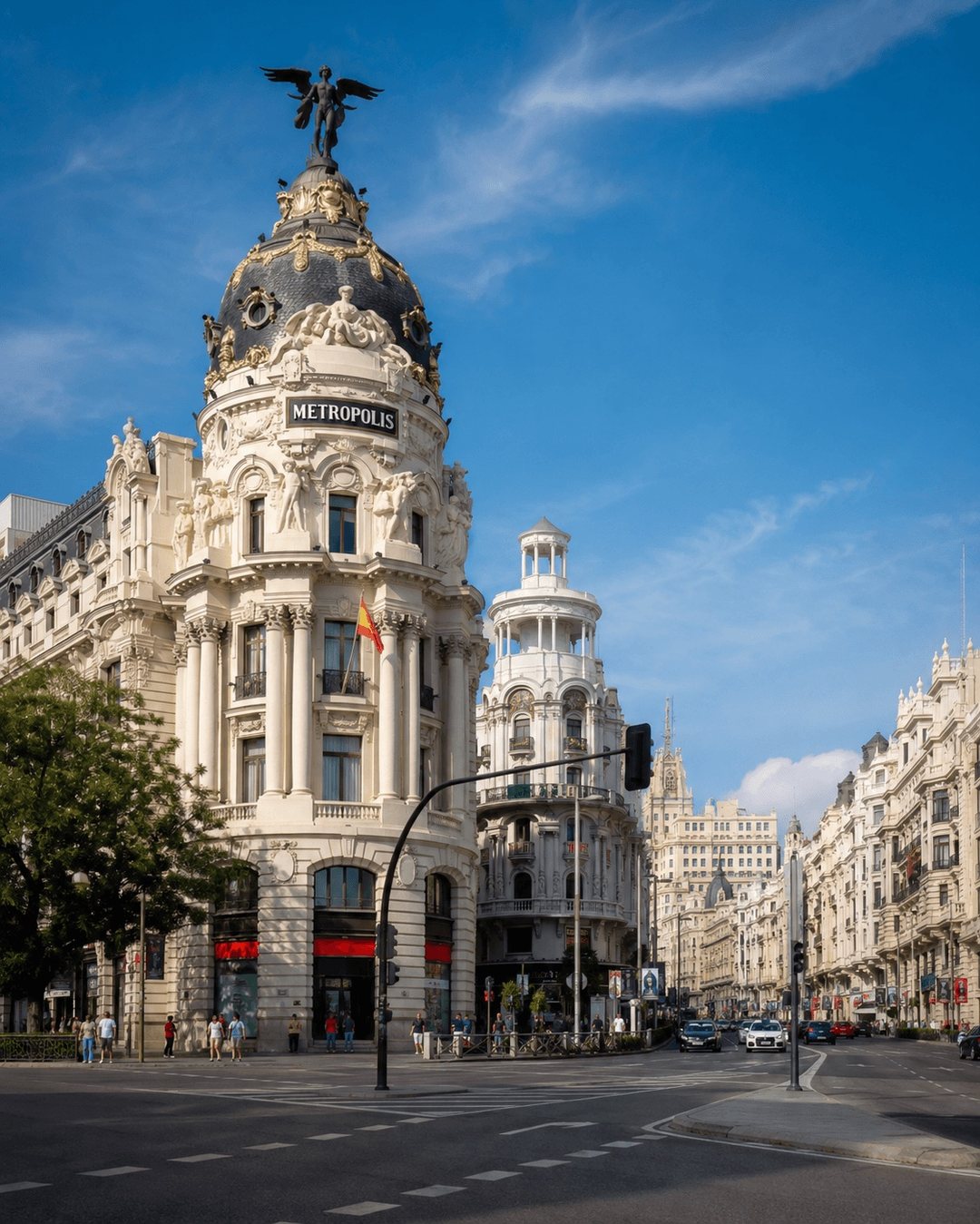
Quimbaya holds a restaurant record for the stated edition and published. The database record identifies a distinct Colombian identity expressed through technical precision and coherent menu architecture. That clarity deserves a Madrid day without competing culinary theatre. Eat breakfast normally, keep lunch concise and resist turning the hours before dinner into a survey of the city’s market counters. The point is not deprivation. It is allowing one culinary voice to arrive against a clean enough background that its structure, references and changes of intensity remain perceptible.
Madrid’s late social rhythm can make the reservation feel like the beginning of the night, but a substantial tasting experience may be the evening’s complete centre. Decide afterwards according to energy, not convention. A slow route back through inhabited streets can keep the city present without asking the palate to reset. The hotel should be close enough, or the transfer simple enough, that dinner ends when the guest chooses. Destination dining loses elegance when an important meal is followed by twenty minutes spent solving how to leave it.
The destination dinner begins at lunch, when the traveller decides what not to eat, where not to cross and how much attention to preserve.
The World’s Best Travel Desk
03Milan: precision is best met with restraint
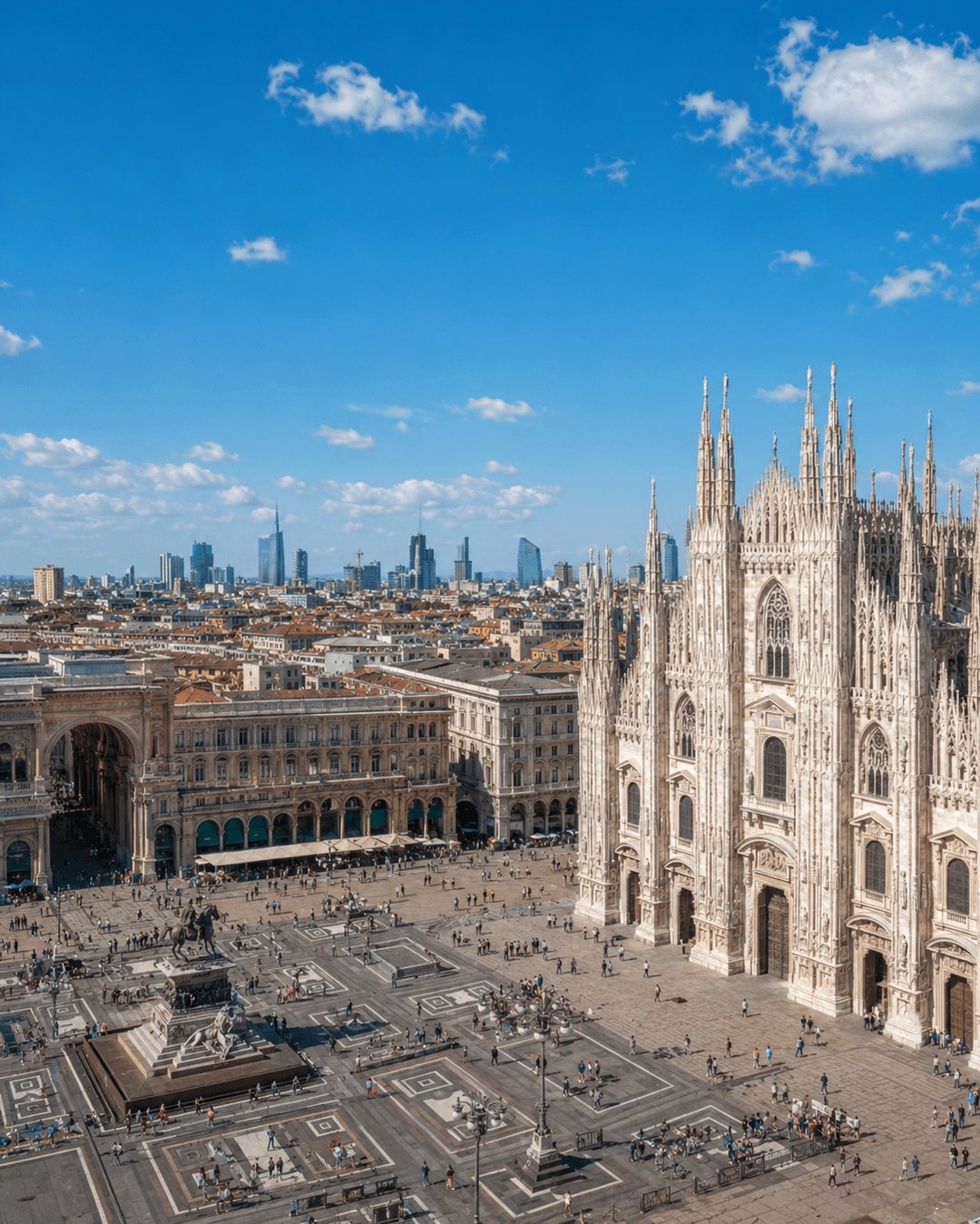
Andrea Aprea receives a restaurant record for the stated edition and published, with coherent menu architecture and clear culinary authorship defining its Italian Contemporary record. Milan is a city in which design, fashion, appointments and aperitivo can fill the approach to dinner with polished stimulation. The sharper edit is to reduce. Pair the restaurant with one morning institution or design district, then let the afternoon become practical: rest, dress, walk. Restraint before dinner is not solemnity. It is the confidence to let a precisely constructed meal supply the day’s main sequence.
Aperitivo requires judgement on this particular evening. One drink may tune the social register; several can blunt the opening courses before the kitchen has established its argument. The same applies to lunch. Choose quality without ceremony and leave the city’s abundant pastry, coffee and bar rituals for another day. A dining-led city break improves when not every local pleasure is forced into every 24 hours. Milan rewards editing because its elegance often lies in omission—the object removed, the line left clean, the evening allowed to have a single author.
04Berlin: give the evening enough space to change register
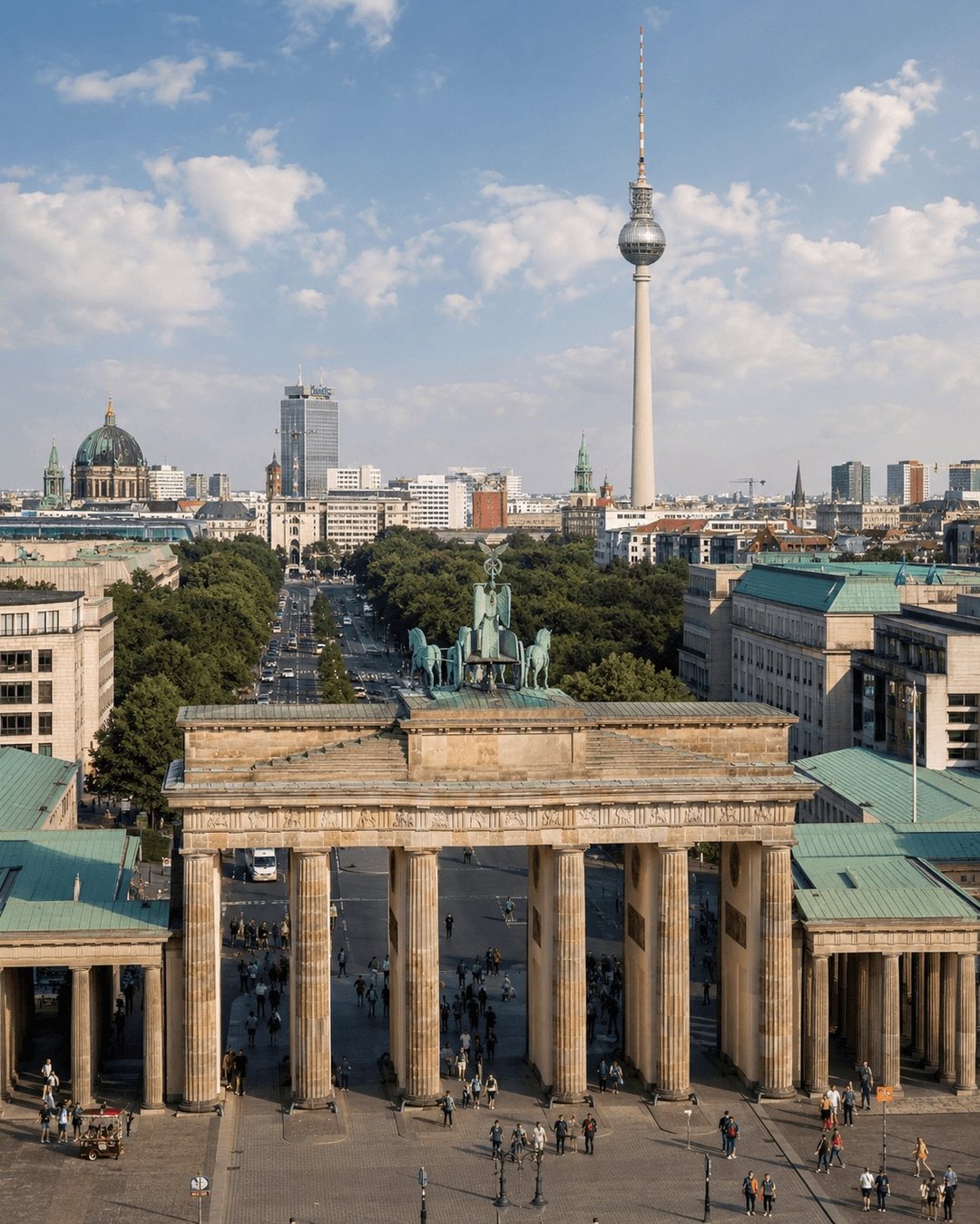
MINE stands at a restaurant record for the stated edition and published. Its database assessment emphasises Italian cooking shaped by ingredient provenance and coherent menu architecture. Berlin offers a useful contrast: a city whose informal surfaces can hold extremely deliberate work. Do not over-formalise the day in response to the dinner. Follow one neighbourhood thread, allow transport margins and return to the hotel only if the geography supports it. The pleasure lies in moving from the city’s loose public rhythm into a meal with a clear internal order, then back out again.
Afterwards, preserve choice. Berlin can extend any evening, but the existence of nightlife is not an instruction to pursue it. Decide whether another room will deepen the night or merely postpone sleep. The restaurant’s Italian identity should remain one part of a Berlin experience, not a detour that must justify itself through additional activity. Destination dining is most persuasive when the surrounding city stays legible. A late walk, a direct train or a quiet hotel bar can give the meal space to settle while keeping the traveller inside Berlin’s particular sense of time.
05Lisbon: let geography sharpen appetite rather than spend it
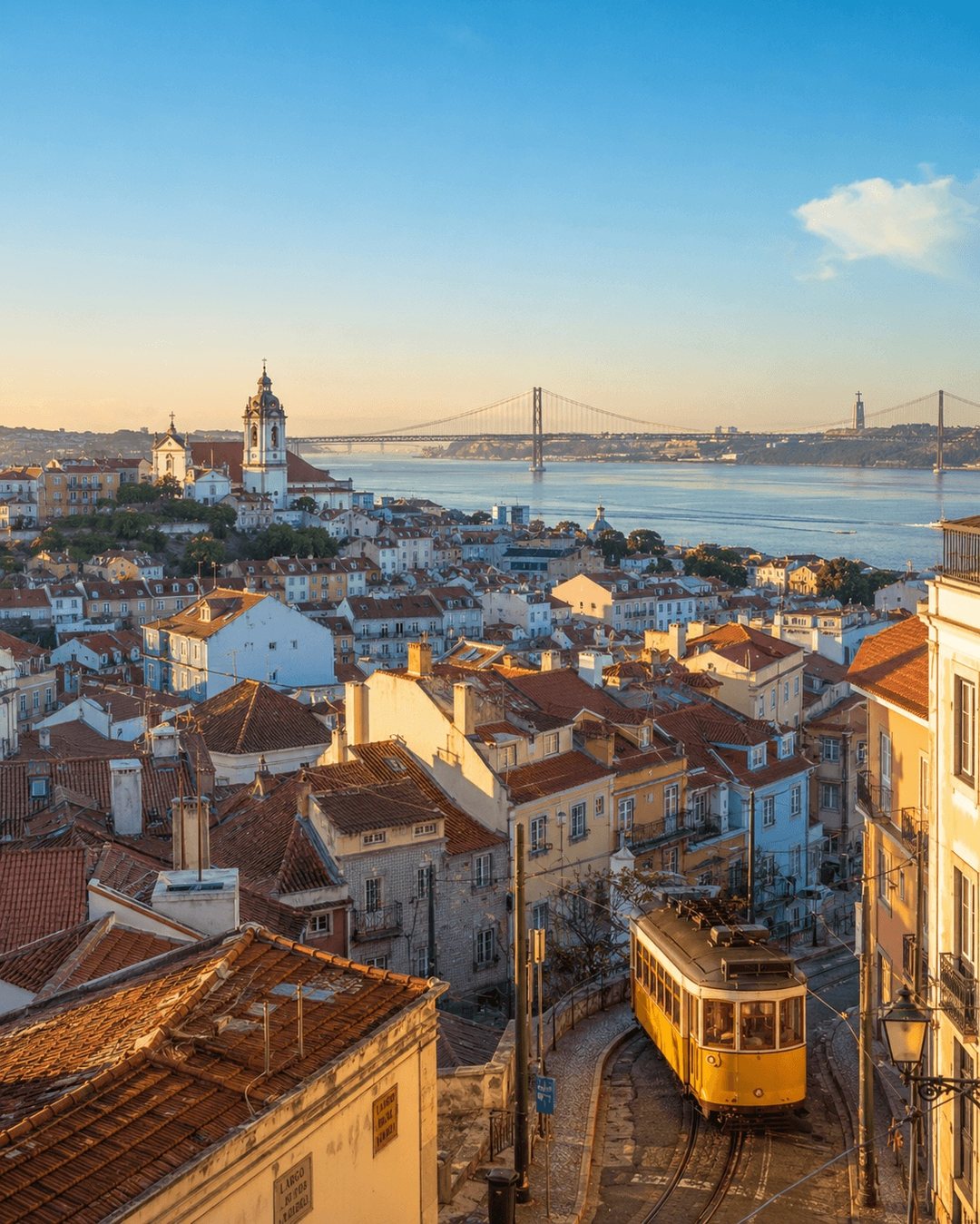
Feitoria carries a restaurant record for the stated edition and published, its Modern Cuisine identity grounded in ingredient provenance and a persuasive sense of place. Lisbon’s hills, river light and tempting sequence of small things to eat can make the day before dinner unexpectedly demanding. Choose a route that moves with the terrain rather than against it. A museum or riverside walk can belong to the same chapter; repeated climbs across unrelated districts should not. Physical fatigue changes the palate and shortens patience long before the reservation begins.
Lunch should acknowledge Portugal without attempting to summarise it. One simple plate and enough water will do more for the evening than a second ambitious meal. Build in time to change temperature and clothes. At dinner, sense of place should be allowed to emerge through the restaurant’s own decisions rather than through a checklist of ingredients the visitor expects to encounter. Afterwards, the Tagus or a quiet street may offer the correct conclusion. Lisbon’s great advantage is atmosphere available without booking; leave enough of the night unclaimed to receive it.
06The table should know why the traveller crossed the city
Destination dining creates a particular obligation for hospitality. Guests may arrive after an unfamiliar journey, carrying expectations shaped by editorial reviews, photographs and scarcity. The room must settle them without overexplaining its importance. A clear welcome, confident pacing and early sense of direction allow attention to shift from achievement—finally obtaining the table—to experience. Service should recognise curiosity without turning every course into a lecture. Information has value when it changes perception; beyond that point, it can interrupt the very concentration it intends to support.
The traveller also has responsibilities. Arrive on time, disclose dietary needs before the day and avoid asking the kitchen to compress a long menu around another engagement. A serious meal occupies the time it needs. If that commitment feels excessive, choose a different format rather than resenting the restaurant for fulfilling its proposition. Luxury is partly the freedom to select accurately. Not every acclaimed table suits every evening, and declining intensity can be a sign of discernment rather than lack of ambition.
Payment and departure should return ease to the guest. The final minutes are not administrative debris; they determine whether the meal’s rhythm ends cleanly. Arrange the car only when timing becomes clear, or understand the walking route before sitting down. Keep the next morning light enough that the evening does not acquire a hidden deadline. A destination dinner is worth building around when it changes the shape of the city day without consuming the traveller’s relationship with the city itself.
Wine pairing deserves the same editorial judgement as the itinerary. It may illuminate the kitchen’s sequence, but it also changes attention, appetite and the quality of the journey home. Ask about scale, alternatives and the possibility of sharing or choosing selectively. A non-alcoholic pairing should be judged as a composed experience rather than consolation. The objective is not to accept every offered layer of luxury; it is to maintain sensitivity through the final course. Guests who know their own limits experience more of the meal, not less. Restraint at the table can be as sophisticated as restraint in the hours that precede it.
Dress should support the same ease. Confirm the room’s convention, then choose clothes that can survive the route there and the walk afterwards. Formality is pleasurable when it changes posture without creating anxiety. A city restaurant should not require the guest to move through the city as though sealed inside a private transfer. The ideal wardrobe allows the evening to remain connected to the street, the weather and the possibility that the most enjoyable final half-hour will be entirely unplanned.
07Protect the meal from the story you expect to tell
Prestige can make diners behave as witnesses to their own evening, collecting explanations, photographs and verdicts before the meal has finished unfolding. Put the phone away after the necessary moment and allow uncertainty. Not every course must be decoded immediately; not every reference needs personal recognition. The restaurant’seditorial record and restaurant records establish a current editorial record, but the guest’s role is not to reproduce that assessment. It is to notice rhythm, temperature, texture, hospitality and the way the room changes as the night progresses. Attention is the most valuable thing brought to the table.
The next morning is part of the edit. Avoid scheduling an early departure unless the route requires it, and do not demand another grand meal as proof that the city break remains ambitious. Coffee, a walk and the memory of one exact dish may be enough. Madrid, Milan, Berlin and Lisbon each offer far more than a single table; precisely for that reason, no dinner should be asked to represent the whole city. The best destination meal changes the traveller’s understanding of one evening and leaves appetite for everything it did not attempt to contain.