Can the Best Dinner Shape an Entire Journey?
L’Effervescence, Plénitude and Trèsind Studio show why a destination meal should govern appetite, geography and the emotional pace of the day around it.
Executive brief
The hardest table to secure is not automatically the most important. A journey changes when one dinner is given enough space to influence where the traveller stays, how the afternoon unfolds and what is deliberately left off the schedule.
01The reservation should change more than the evening
A destination dinner is often planned as a trophy appointment. The table is secured first, announced immediately and then surrounded by a normal day of museums, shopping, meetings, cocktails and cross-city movement. By the time the menu begins, the travellers have spent their attention before spending their appetite. They have arrived, but the journey has not made room for the reason they came.
The better approach treats dinner as the day’s centre of gravity. That does not require reverence or a blank calendar from breakfast. It requires proportion. Lunch becomes lighter, geography tighter and the late afternoon less ambitious. The hotel is chosen partly for the quality of the return. A taxi delay is considered before it becomes a crisis. The hours after the meal remain open, because another reservation would turn a complete experience into a prelude.
Three current records explain why this matters. L’Effervescence in Tokyo holds published. The World’s Best decision line describes a restaurant functioning as an ecological and social instrument, with that argument made legible through food. Plénitude - Cheval Blanc Paris receives published, its identity organised around sauce as composition rather than finishing touch. Trèsind Studio in Dubai holds published, giving Indian regional traditions an intimate, tightly composed format.
These are not simply three comparative editorial record in three luxury capitals. Each restaurant asks for a different kind of attention. L’Effervescence asks the diner to follow an argument that extends beyond the plate. Plénitude asks for sensitivity to architecture and relation within a dish. Trèsind Studio asks the guest to recognise regional traditions through a precise contemporary frame. The itinerary should prepare the mind for those differences instead of treating them as interchangeable tasting-menu prestige.
Restaurant
L'Effervescence
Tokyo, JapanL'Effervescence treats a restaurant as an ecological and social instrument, then makes that argument legible through food.
Open the record →Restaurant
Plénitude - Cheval Blanc Paris
Paris, FrancePlénitude - Cheval Blanc Paris: sauce is not the final adjustment applied to an ingredient; it is the composition from which the ingredient takes its meaning.
Open the record →Restaurant
Trèsind Studio
Dubai, United Arab EmiratesTrèsind Studio gives Indian regional traditions an intimate, tightly composed Dubai format.
Open the record →02Paris: composition begins before the first sauce
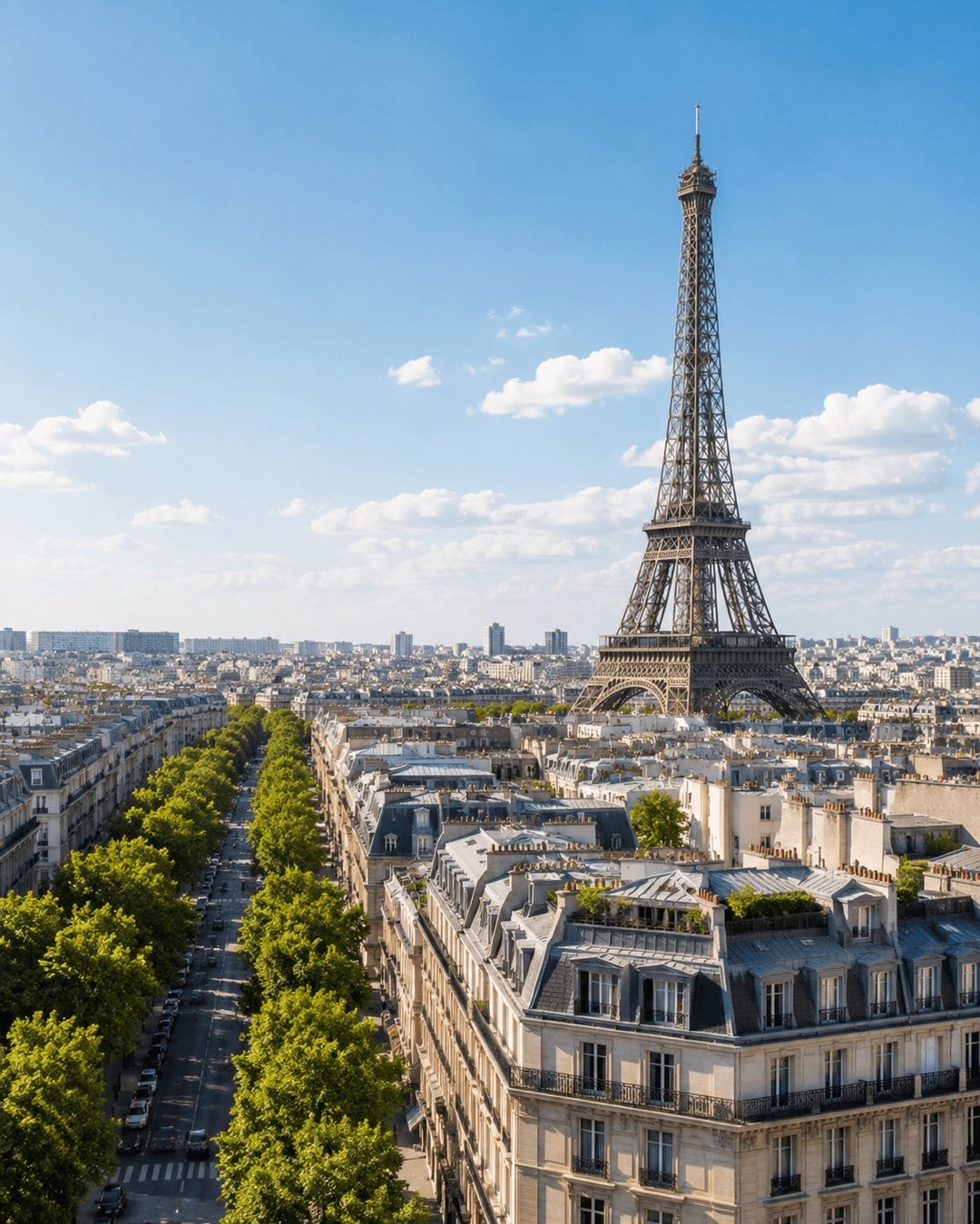
Plénitude’s published record contains a useful instruction for the traveller. If sauce is the composition from which an ingredient takes meaning, context is not decoration. The same is true of the day. A serious Paris dinner should not be dropped into an exhausted itinerary like a final embellishment. The walk, the hotel pause, the company and the appetite all affect what the guest is able to perceive once seated.
Paris encourages culinary accumulation. Breakfast can become an occasion, lunch a declaration and the hour before dinner another opportunity to prove taste. This abundance is better edited than conquered. On the Plénitude day, breakfast should be calm and lunch brief. Choose one cultural engagement, not a sequence. Return to the hotel with enough time to change the pace as well as the clothes. The point is not to manufacture solemnity; it is to arrive without the residue of five unrelated experiences.
The reservation should also determine geography. A beautiful morning across the city may still be worth the distance, but the afternoon should contract around the evening. Shopping appointments, exhibitions and meetings need realistic endings. Paris traffic, weather and human reluctance to leave an interesting place will not obey the ideal schedule. A margin is not wasted time. It is the space in which the trip stops behaving like a production plan.
After dinner, resist the automatic encore. The instinct to add a bar can come from genuine energy, but it can also reveal discomfort with letting one experience be enough. A short walk or direct return preserves the meal’s internal sequence. The conversation can continue without another room imposing its music and performance. Paris has endless nights available in theory. The luxurious decision is to understand when this one is complete.
A great dinner needs the hours around it; otherwise the itinerary consumes the very attention the reservation was meant to reward.
The World’s Best Travel Desk
03Tokyo: a meal with an argument beyond the plate
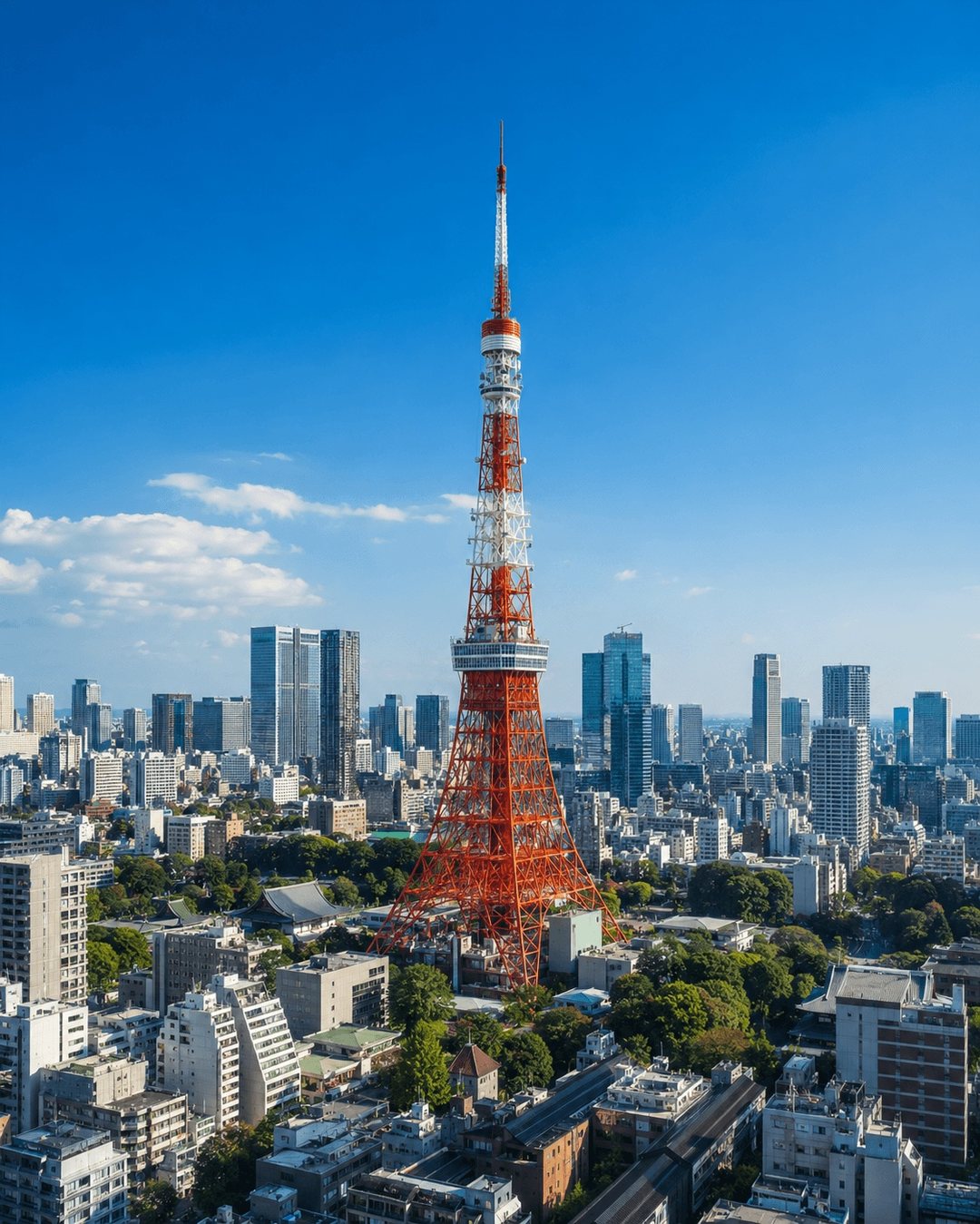
L’Effervescence’s published record is the highest of this group, but the phrase ‘ecological and social instrument’ is more important than the single-point lead. It suggests that the restaurant’s meaning depends on relationships: between ingredients and environment, kitchen and society, pleasure and responsibility. A diner rushing in from a retail circuit and out toward another booking may still eat well. The larger argument is harder to hear.
Tokyo already rewards precision, which can tempt the traveller into excessive control. Trains are selected, station exits saved and each neighbourhood assigned a window. For the reservation day, that competence should create freedom rather than another packed sequence. Choose one radius in the morning. Keep the middle of the day coherent. Allow enough time to return to JANU Tokyo or another well-positioned base, where service can handle the practical questions without making the evening feel ceremonial before it begins.
JANU Tokyo’s published hotel record is led by service depth and food and drink. It is useful here not as an alternative to L’Effervescence, but as the supporting architecture of the night. The hotel can hold luggage, clarify the route, absorb the hours when energy drops and provide a simple conclusion after dinner. A strong city hotel earns part of its rate by making the important experience elsewhere easier to receive.
The return matters in Tokyo because a meal built on attention should not end in navigational stress. Carry the restaurant and hotel addresses clearly, understand the final transport options and avoid scheduling the next morning as punishment for a late night. The city’s efficiency is most elegant when it protects concentration. Preparation should disappear from view once the guest reaches the table.
Hotel
JANU Tokyo
Tokyo, JapanThis hotel in Tokyo, Japan draws its authority from the depth of its service system and a convincing food-and-drink offer.
Open the record →Restaurant
L'Effervescence
Tokyo, JapanL'Effervescence treats a restaurant as an ecological and social instrument, then makes that argument legible through food.
Open the record →04Dubai: regional traditions in an intimate frame
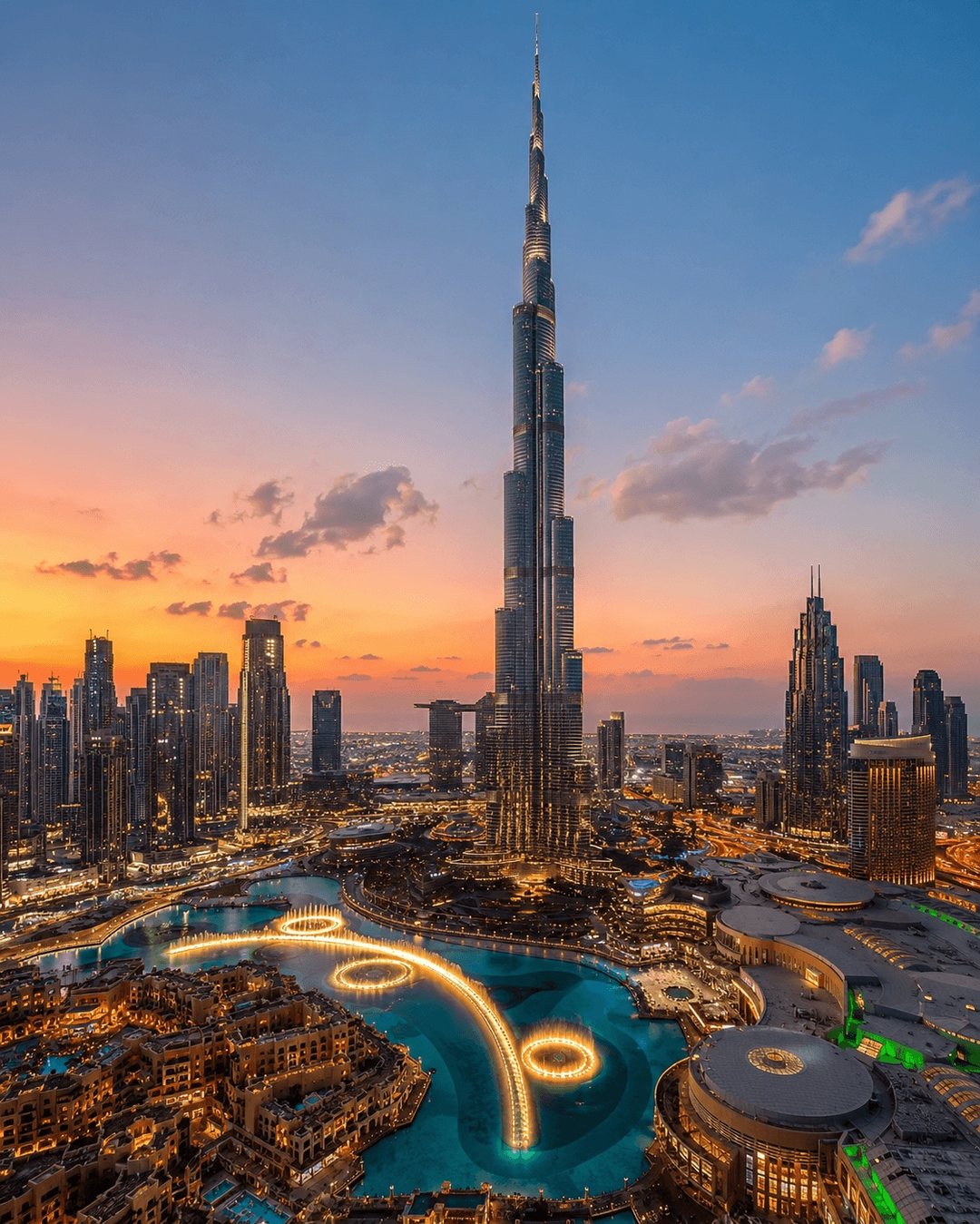
Trèsind Studio’s published record is concise: Indian regional traditions, an intimate room and tight composition. That combination cuts through a persistent misconception about Dubai dining—that scale, imported names and visual drama are the city’s only native language. The restaurant’s strength lies in specificity. The dinner day should honour that specificity by refusing to become another survey of everything Dubai can display.
The most common planning error is distance disguised as possibility. A waterfront breakfast, inland excursion, central shopping appointment and destination dinner may all fit into the same calendar. They do not necessarily belong to the same day. Trèsind Studio should be placed within a realistic evening corridor, with the preceding hours chosen accordingly. If the hotel is far away, the transfer becomes part of the reservation and requires the same attention as the booking time.
Appetite is especially vulnerable in a city of generous hotel breakfasts, long lunches and lounges that make waiting pleasant. On this day, restraint is not a wellness performance. It is respect for the meal that matters most. Eat enough to remain human, not enough to turn the first courses into a negotiation. Keep the late afternoon cool and quiet. The point of luxury is not continuous consumption; it is the ability to distinguish the event from the background.
Trèsind Studio’s regional focus also changes the travel question. The useful inquiry is not whether dinner feels ‘Dubai’ in a narrow, folkloric sense. Dubai’s contemporary identity includes people, techniques and memories moving across borders. The restaurant’s intimate Indian frame belongs to that reality. A mature traveller allows a city to reveal itself through the work being made there now, not only through symbols that photograph as local.
05Appetite is a finite part of the itinerary
Luxury itineraries often budget money and time while treating appetite as renewable. It is not. A heavy lunch changes dinner. Alcohol changes attention. Jet lag changes tolerance for a long progression. Three ambitious meals in two days may look efficient when reservations are scarce, but efficiency is the wrong standard. The guest remembers less, compares too quickly and begins to experience hospitality as obligation.
The solution is not asceticism. It is alternation. Pair the important dinner with an ordinary breakfast taken at the body’s preferred hour. Let lunch be direct, local and moderate. On another day, make lunch the social event and release the evening from ambition. This rhythm allows formal restaurants to retain distinction and casual meals to remain pleasurable rather than being judged as gaps between honours.
Dietary communication belongs to the same planning discipline. A tightly composed menu can respond intelligently only when restrictions are explained early and accurately. Preference, allergy, religious practice and medical need should not be blurred into one vague request. Contact the restaurant through its official channel, understand what can be accommodated and allow the kitchen to be honest. Access is not entitlement to an experience the restaurant cannot responsibly provide.
Alcohol deserves equal clarity. A pairing may illuminate the menu, but it is not a compulsory measure of seriousness. The diner should decide according to health, taste, next-day plans and the length of the journey home. The best service supports that decision without pressure. A non-alcoholic sequence, selected glasses or water can preserve more attention for the food. The luxury is a coherent evening, not a completed package.
Restaurant
L'Effervescence
Tokyo, JapanL'Effervescence treats a restaurant as an ecological and social instrument, then makes that argument legible through food.
Open the record →Restaurant
Plénitude - Cheval Blanc Paris
Paris, FrancePlénitude - Cheval Blanc Paris: sauce is not the final adjustment applied to an ingredient; it is the composition from which the ingredient takes its meaning.
Open the record →Restaurant
Trèsind Studio
Dubai, United Arab EmiratesTrèsind Studio gives Indian regional traditions an intimate, tightly composed Dubai format.
Open the record →06The table should suit the travellers, not their résumé
A highly reviewed restaurant can be the wrong dinner for a particular trip. The question is not whether L’Effervescence, Plénitude or Trèsind Studio deserves its current distinction; the records answer that. The question is which kind of evening the travellers can inhabit. Curiosity, patience and company matter. A tasting menu with someone who dislikes long meals will not become successful through prestige. A business conversation may need a different room from an anniversary.
Plénitude suits diners prepared to follow composition with close attention and give the evening Parisian formality without turning it into theatre. L’Effervescence suits those interested in the restaurant’s wider ecological and social proposition as well as its French culinary language. Trèsind Studio suits travellers who want Indian regional traditions expressed through an intimate contemporary sequence in Dubai. These are editorial distinctions, not a new ranking among three already exceptional records.
Solo diners should ask about format and comfort directly. Couples should resist assuming that an important dinner must carry a private emotional script. Families need an honest conversation about duration, age and menu suitability. A group should decide whether everyone genuinely wants the same level of concentration. The most expensive booking error is not a poor table. It is a great table given the wrong job.
There is also value in leaving one restaurant unbooked. Not every evening needs to be evidence of access. The unscheduled meal lets the city answer back: a neighbourhood counter, a hotel dish after rain, something recommended that morning by a person who understood the group. Destination dining becomes richer when it sits within this range. A masterpiece needs ordinary appetite around it.
Restaurant
L'Effervescence
Tokyo, JapanL'Effervescence treats a restaurant as an ecological and social instrument, then makes that argument legible through food.
Open the record →Restaurant
Plénitude - Cheval Blanc Paris
Paris, FrancePlénitude - Cheval Blanc Paris: sauce is not the final adjustment applied to an ingredient; it is the composition from which the ingredient takes its meaning.
Open the record →Restaurant
Trèsind Studio
Dubai, United Arab EmiratesTrèsind Studio gives Indian regional traditions an intimate, tightly composed Dubai format.
Open the record →07Build the journey outward from the meal
Once the reservation is confirmed, work outward. Record the precise arrival expectation, current address, cancellation terms and likely duration. Check the route from the hotel at the correct hour, not the optimistic midday estimate. Decide when the preceding commitment must end and add a margin that can survive traffic, weather or a missed turn. Then stop. Overengineering every minute will replace one kind of anxiety with another.
Choose the hotel with the dinner in view, but do not let one meal distort the whole stay. JANU Tokyo can support an important Tokyo evening through service and food-and-drink strength, yet the broader location still needs to suit the trip. In Paris and Dubai, the same rule applies. A short transfer on one night is valuable; an inconvenient base on every other day is not. The dinner is an anchor, not a chain.
On the day itself, protect the late afternoon. Rest, swim, read, walk nearby or have a drink only if it sharpens rather than blunts appetite. Dress for the restaurant’s current guidance and the journey required to reach it. Carry a small practical margin for the unexpected. Then allow preparation to end. The point of a well-planned evening is that the planning no longer occupies the mind.
Keep the following morning light as well. A destination dinner continues through conversation, sleep and the first recollection of its sequence; forcing an early departure or another formal meal can flatten that afterlife. This does not mean losing a day to recovery. It means recognising that memory is part of the value purchased. A late breakfast, an unhurried walk and notes made while details remain distinct can reveal which moments actually endured. The itinerary should give the restaurant room on both sides of the reservation.
The best dinner can shape an entire journey because it teaches proportion. Plénitude makes composition the source of meaning. L’Effervescence extends the restaurant into ecological and social relation. Trèsind Studio concentrates regional traditions inside a small contemporary frame. Each shows that luxury becomes memorable through connection, not accumulation. Give the meal the hours around it, and the city before and after will come into clearer focus.
Hotel
JANU Tokyo
Tokyo, JapanThis hotel in Tokyo, Japan draws its authority from the depth of its service system and a convincing food-and-drink offer.
Open the record →Restaurant
L'Effervescence
Tokyo, JapanL'Effervescence treats a restaurant as an ecological and social instrument, then makes that argument legible through food.
Open the record →Restaurant
Plénitude - Cheval Blanc Paris
Paris, FrancePlénitude - Cheval Blanc Paris: sauce is not the final adjustment applied to an ingredient; it is the composition from which the ingredient takes its meaning.
Open the record →Restaurant
Trèsind Studio
Dubai, United Arab EmiratesTrèsind Studio gives Indian regional traditions an intimate, tightly composed Dubai format.
Open the record →