The Best Luxury Itinerary Leaves Half the Day Blank
A pool in Paris, a quiet return in Tokyo and a waterfront afternoon in Dubai make the case for treating unscheduled time as essential travel infrastructure.
Executive brief
Leaving half a day open is not an absence of planning. It is a deliberate reserve for weather, appetite, fatigue and the discoveries no concierge can confirm in advance.
01The blank half-day is a form of travel insurance
A luxury itinerary can look strangely anxious. Every hour has been protected by a reservation, every transfer upgraded, every restaurant researched and every empty space treated as a failure of access. The document is beautiful. The trip it produces may be brittle. One delay damages three appointments; one heavy lunch compromises dinner; one hot afternoon turns culture into endurance. The traveller has purchased choice and then removed the freedom to use it.
Leaving half a day blank is not an argument for carelessness. It is a reserve. Weather can spend it. Fatigue can spend it. A museum room, a conversation, a shop, a swim or a lunch that deserves another glass can spend it. If nothing unexpected occurs, the hotel can hold it. The time remains valuable because it is not pre-assigned to an experience that sounded persuasive months before the body arrived.
Le Grand Mazarin, JANU Tokyo and Jumeirah Marsa Al Arab make this reserve usable in three different environments. Le Grand Mazarin’s published record is led by food, drink and restoration. JANU Tokyo’s published record begins with service depth and dining. Jumeirah Marsa Al Arab’s published record recognises food, drink and restorative facilities in equal measure. Each gives an open interval structure without prescribing its outcome.
The hotel matters because blank time without a good base can become logistical residue: too short for a major outing, too long to sit in transit, too awkward to enjoy. A strong property converts the interval into possibility. The room is ready for retreat, public spaces provide a change of scene, food does not require another expedition and service can act quickly if a new idea appears. This is not the hotel replacing the destination. It is the hotel making spontaneity operational.
Hotel
Le Grand Mazarin
Paris, FranceA distinctive address in Paris, France, defined above all by a convincing food-and-drink offer and its restorative facilities.
Open the record →Hotel
JANU Tokyo
Tokyo, JapanThis hotel in Tokyo, Japan draws its authority from the depth of its service system and a convincing food-and-drink offer.
Open the record →Hotel
Jumeirah Marsa Al Arab
Dubai, United Arab EmiratesAt Jumeirah Marsa Al Arab, strength in a convincing food-and-drink offer is matched by strength in its restorative facilities.
Open the record →02Why expensive trips become overfilled
Scarcity creates the first pressure. A table opens at one time, a guide is available on one morning and a collection requires advance entry. The rational response is to book. Repeat that response across a week and the itinerary becomes a chain of individually sensible decisions that no longer makes sense as a whole. Each item may be excellent. Their proximity creates the problem.
Price creates the second pressure. Travellers want to justify the suite, the flight and the days away by using every facility and seeing every landmark. Yet value does not rise with the number of completed experiences. An hour enjoyed with attention can be worth more than three rushed appointments. A hotel pool used once at the right moment may justify itself more convincingly than a spa menu examined and ignored throughout the stay.
Social display adds a quieter demand. A crowded schedule produces evidence: photographs, restaurant names and a confident answer to the question of what was done. Unscheduled time is harder to narrate. It may contain a nap, a repeated street, room-service fruit or nothing that reads as an achievement. But travel is not improved by making every hour externally legible. Privacy includes the right to have a day that cannot be converted into proof.
The final pressure comes from expertise itself. Good advice is abundant, and a conscientious traveller can now arrive with hundreds of saved places. The edit must therefore happen before departure. Choose the few items whose absence would genuinely diminish the trip. Arrange them into a humane rhythm. Let everything else remain a possibility rather than a debt. A saved address is not an obligation to visit.
A blank afternoon is not empty. It is where the journey becomes capable of changing its mind.
The World’s Best Travel Desk
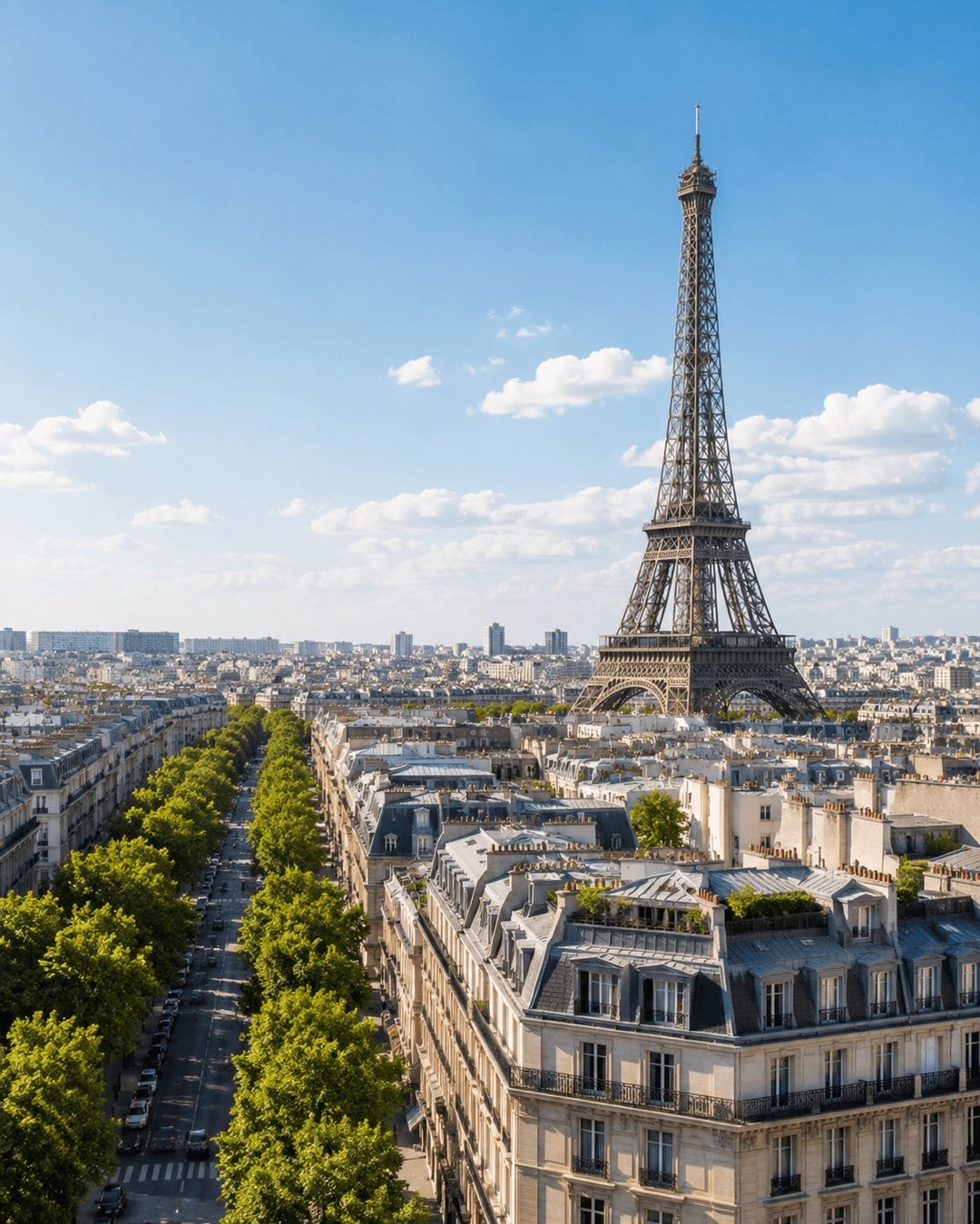
03Paris: the pool is not an escape from Paris
The striped pool beneath a painted ceiling at Le Grand Mazarin makes an unusually articulate image of the hotel interval. It is unmistakably an interior world, yet using it for an hour does not mean the city has been abandoned. Paris can exhaust attention through beauty alone: façades, shop windows, galleries, traffic, conversation and the continual pressure to choose well. A swim can restore the ability to see rather than interrupt the act of seeing.
Le Grand Mazarin’s restorative strength gives the blank afternoon a credible address. Its food-and-drink strength means the guest does not need to solve every appetite outside. The right sequence might be a single neighbourhood morning, lunch without ceremony, an hour at the pool and a late decision about dinner. Another day could reverse the pattern. The value lies in refusing to make every Paris afternoon perform the same cultural labour.
This approach changes booking behaviour. A timed exhibition in the morning and a significant dinner at night are enough fixed points. The middle should not be filled automatically because a map shows several famous places nearby. Paris rewards walking without immediate purpose, but it also rewards retreat before irritation replaces curiosity. The hotel becomes a hinge: outside, inside, then outside again with a different pace.
A pool, treatment or long bath should still be chosen honestly. Scheduling wellness as another appointment can reproduce the same pressure in softer clothing. Use the facility when the day asks for it. Confirm availability where necessary, but avoid turning restoration into a performance metric. The body does not care whether relaxation appeared in the original itinerary. It only knows whether enough room was left for recovery.
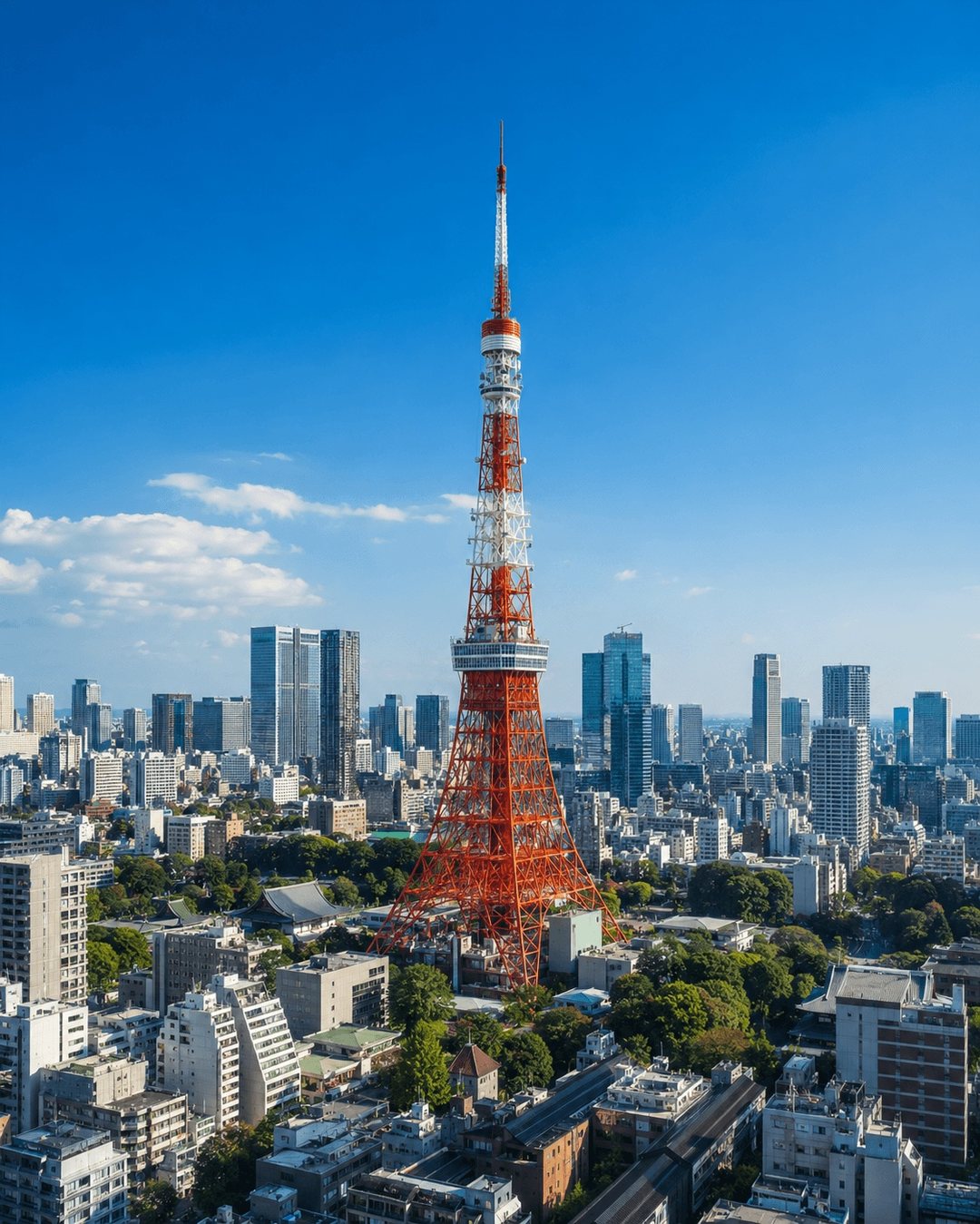
04Tokyo: leave room for the city’s smallest discoveries
Tokyo’s temptation is not only the number of major sights. It is the density of minor fascinations. A stationery floor, a garden wall, a basement food hall, a specialist shop or the way one station neighbourhood changes after commuters leave can consume an hour without asking permission. These discoveries are often the first casualties of a tightly managed route. The traveller notices them, photographs them and keeps moving toward the reservation that was judged more important months earlier.
JANU Tokyo’s service-led record can support a different rhythm. Service should help define one workable radius, remove avoidable uncertainty and protect the return. The blank half-day can then begin with confidence rather than indecision. It may become a focused retail excursion, a slow lunch, a hotel interval or a second pass through streets glimpsed too quickly. The outcome matters less than the traveller’s ability to choose it at the correct moment.
Rail efficiency does not invalidate this principle. Because movement is possible, travellers often assume more movement is desirable. A day that crosses Tokyo repeatedly can be technically successful and emotionally thin. The blank interval encourages depth. Stay on one side of the city. Learn the correct station exit. Allow a small shop to lead to another. Return before the evening becomes a race.
The hotel bar has a role here too. An early drink or tea can mark the transition from exploration to dinner without requiring a second destination. It can also become the evening when fatigue wins. JANU Tokyo’s food-and-drink strength makes that choice respectable. There is no virtue in preserving a difficult reservation after the body has stopped being curious. A strong hotel gives permission to revise without making revision feel like loss.
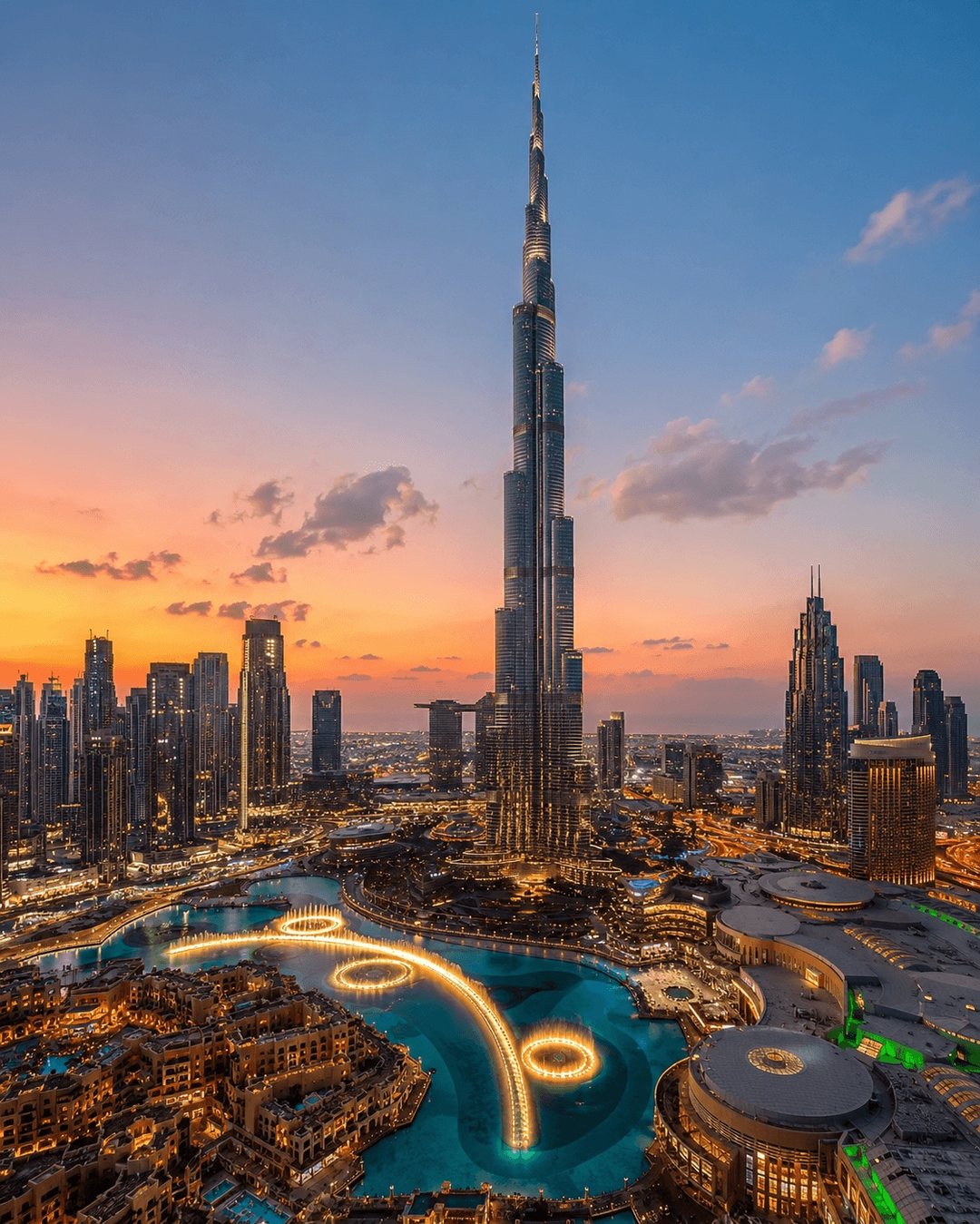
05Dubai: shade and distance make the pause practical
In Dubai, an open half-day is not merely philosophical. Heat, distance and the city’s several centres make it practical. Jumeirah Marsa Al Arab’s waterfront setting and restorative strengths can hold the brightest hours while the traveller waits to see what the evening requires. Pool, room, lunch and shade are not consolation prizes before ‘real Dubai’. They are part of a coastal city experience when chosen deliberately.
The mistake is to combine the hotel interval with a scattered list of errands. A morning on the Creek, lunch on the coast, an inland appointment and dinner elsewhere may create more car time than memory. Give the morning one geography and the afternoon another only if the transition has a clear purpose. Otherwise, remain at the water. Dubai’s scale becomes pleasurable when the itinerary stops treating every district as adjacent.
Jumeirah Marsa Al Arab’s food-and-drink strength matters because an unscheduled interval often fails at the moment appetite appears. If every meal requires a new transfer, the blank space quickly becomes another piece of logistics. A credible hotel lunch, late snack or early drink lets the day remain open. It also allows the traveller to decide whether the important dinner still suits the evening or whether the coast has become the better answer.
This is the distinction between idleness and rest. Idleness imposed by poor planning feels frustrating. Rest chosen within a strong setting feels expansive. The hotel cannot control weather, traffic or energy. It can make each change of plan coherent. In a city often described through ambition, that operational calm is one of the more persuasive forms of luxury.
06How to protect open time without overplanning it
Begin by fixing no more than two demanding points in a day. A demanding point is not only something expensive. It is anything with a strict arrival, significant travel, emotional importance or a duration that cannot be shortened gracefully. Two may fit well if they share geography and leave a genuine interval. Three usually begin to compete. The rule is deliberately severe because itineraries tend to expand after arrival.
Place the blank half-day where uncertainty is greatest. On the first day, it can absorb jet lag and a late room. In the middle, it can recover energy and allow laundry, work or a discovered interest to enter. On the final day, it can protect against frantic shopping and a poorly timed departure. The best position depends on the trip, but the interval should be visible in the plan. Invisible free time is easily given away.
Do not fill it in advance with a menu of optional activities. Ten options recreate obligation. Keep two or three ideas appropriate to different energy levels: one outside, one near the hotel and one that requires nothing beyond the property. Confirm only what cannot remain flexible. The purpose is to reduce decision pressure, not to move every decision from before travel to the hotel bed.
Agree on the interval with travelling companions. One person may want the pool, another a gallery, another privacy. Luxury allows temporary separation. A couple or family does not need to move as a single unit throughout the day. Decide when to meet again and release the intervening hours. Independence can rescue group travel from the quiet resentment of compulsory consensus.
07Spend on flexibility before spectacle
If budget permits an upgrade, flexibility often returns more than another visible flourish. An early room after a long flight, a late departure, sensible cancellation terms, a car only when distance requires it, or a room layout that lets one person sleep while another works can transform the unplanned hours. These purchases rarely dominate the photographs. They dominate the lived quality of the trip.
Hotel choice is central. Le Grand Mazarin makes a Paris pause persuasive through restoration and food. JANU Tokyo makes open time actionable through service and dining. Jumeirah Marsa Al Arab turns the Dubai waterfront into a place where several unscheduled hours have enough substance to remain there. The records do not guarantee that each hotel suits every traveller. They identify the operational strengths that make flexibility possible.
There are times when the blank half-day should be spent entirely outside. A conversation may lead to a studio, weather may make a walk irresistible or a neighbourhood may reveal a rhythm that deserves repetition. The hotel still earns its place by removing concern about the return. Luggage, dinner, directions and the room are settled. Spontaneity is easier when a reliable structure waits at the other end.
The most important luxury may be the absence of regret. A traveller who chooses the pool should not spend the hour calculating what is being missed. A traveller who abandons the pool for the street should not feel the rate is being wasted. The trip was purchased to create possibilities, not to enforce equal use of them. Value appears in the freedom to respond.
Hotel
Le Grand Mazarin
Paris, FranceA distinctive address in Paris, France, defined above all by a convincing food-and-drink offer and its restorative facilities.
Open the record →Hotel
JANU Tokyo
Tokyo, JapanThis hotel in Tokyo, Japan draws its authority from the depth of its service system and a convincing food-and-drink offer.
Open the record →Hotel
Jumeirah Marsa Al Arab
Dubai, United Arab EmiratesAt Jumeirah Marsa Al Arab, strength in a convincing food-and-drink offer is matched by strength in its restorative facilities.
Open the record →08A journey needs enough silence to become personal
The half-day left blank will rarely remain literally empty. It will gather the trip’s loose ends: a delayed breakfast, a second look, a swim, a purchase considered overnight, a phone call home, a nap that changes dinner, or a street selected because the light is right. None can be guaranteed at booking. That is why the time must exist before its purpose is known.
Paris, Tokyo and Dubai require different uses of the interval. Paris invites recurrent movement between neighbourhood and hotel. Tokyo rewards a smaller radius and close attention to ordinary systems. Dubai asks the traveller to respect heat, water and distance. Le Grand Mazarin, JANU Tokyo and Jumeirah Marsa Al Arab support those patterns through distinct combinations of restoration, service and food. The same editorial principle survives the change of city: leave the day capable of revision.
This is not an argument against expertise, reservations or ambition. The great dinner should be booked. The guide with rare knowledge should be secured. The collection that matters should receive the morning. But a journey made only of priorities has no margin in which those priorities can be understood. Experience needs an interval before it becomes memory.
The best luxury itinerary is therefore incomplete by design. It contains enough structure to remove preventable friction and enough silence for the destination to interrupt. The blank half-day is where the traveller stops executing someone else’s idea of a perfect trip. It is where weather, appetite and curiosity regain authority—and where the journey, finally, becomes personal.
Hotel
Le Grand Mazarin
Paris, FranceA distinctive address in Paris, France, defined above all by a convincing food-and-drink offer and its restorative facilities.
Open the record →Hotel
JANU Tokyo
Tokyo, JapanThis hotel in Tokyo, Japan draws its authority from the depth of its service system and a convincing food-and-drink offer.
Open the record →Hotel
Jumeirah Marsa Al Arab
Dubai, United Arab EmiratesAt Jumeirah Marsa Al Arab, strength in a convincing food-and-drink offer is matched by strength in its restorative facilities.
Open the record →