The Best Long-Haul Stopover Refuses to Feel Temporary
Bangkok, Singapore, Istanbul and Doha prove that 36 carefully edited hours can possess the texture of a journey rather than the anxious efficiency of a connection.
Executive brief
A stopover becomes luxurious when it protects arrival, gives the city one clear idea and leaves enough unfinished to make returning feel inevitable.
01A stopover deserves a thesis
The long-haul stopover has acquired an unfortunate reputation as travel’s bonus round: a compressed opportunity to see one more skyline, book one more important table and return to the airport with evidence of having used every hour. This approach mistakes density for depth. Jet lag turns choice into labour, traffic punishes optimistic maps and the pressure to maximise time makes every minor delay feel personal. A stopover becomes memorable only when it stops behaving like an appendix to the larger trip.
Thirty-six hours need an editorial idea. It might be a river, a historic shore, a garden city or a single neighbourhood allowed to unfold from morning into night. The idea should be large enough to give direction and narrow enough to survive fatigue. Once chosen, it determines the hotel, not the other way around. The right property shortens the essential movements, protects sleep and offers credible answers for the meals when the guest no longer wants another expedition. It is infrastructure with atmosphere.
Arrival and departure deserve as much attention as the central day. A room that works immediately, luggage handled without explanation and food available at an undramatic hour can rescue the first evening. A precise airport plan protects the final morning from anticipatory anxiety. These are not background services beneath the level of luxury editorial. They are the structure that allows the city to register. When the edges are calm, the hours in between can remain open enough for appetite, weather and curiosity to change the plan.
The four hotels considered here lead with different strengths, but all make a case through service, dining or restoration. That is the correct vocabulary for a stopover. The guest does not require an exhaustive resort programme; the guest requires resolution. Where will sleep happen, how quickly can the city begin, and what will make returning feel like a pleasure rather than a logistical reset? Answer those questions well and a short stay acquires the emotional completeness of a journey many times its length.
02Bangkok: protect the first evening from ambition
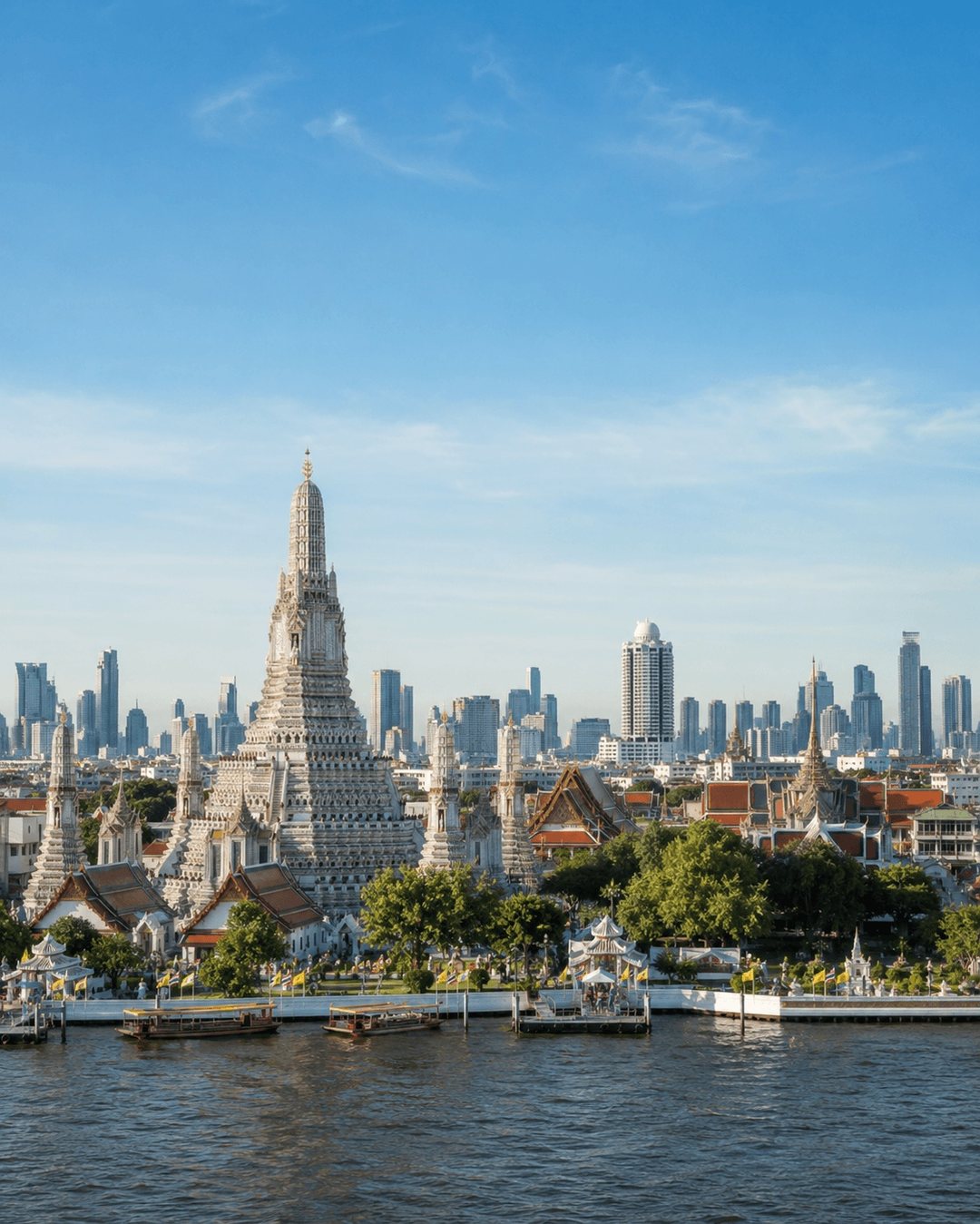
Aman Nai Lert Bangkok holds published, with service depth and food and drink leading its record. Those strengths make sense in a city that can tempt a newly arrived traveller into immediate excess. Bangkok is generous with possibility, but the first evening after a long flight is rarely the moment to test the limits of that generosity. The most elegant opening is often a direct arrival, an uncomplicated meal and enough silence to allow the next morning to begin before the day becomes heavy.
The full day should have a geographic argument. Choose the river, a cluster of historic districts, a contemporary art-and-dining radius or a shopping and design route, then let other possibilities remain untouched. Bangkok’s scale and traffic make a scattered list particularly destructive. Crossing the city can be rewarding when the crossing belongs to the story of the day; it is dispiriting when it merely links unrelated reservations. Service is valuable here when it removes a weak idea, not when it finds a way to force every idea into the schedule.
A strong hotel restaurant provides more than convenience. It creates an evening whose timing can respond to the guest rather than to the city’s traffic. After a substantial lunch or a humid afternoon, the option to dine without another negotiation becomes a form of freedom. Equally, a restorative space can turn the late afternoon into a proper interval before a final excursion. The stopover benefits from alternation: city, retreat, city again. Continuous motion produces impressions, but rarely allows any of them to settle.
On departure morning, resist the urge to add one distant landmark. Bangkok rewards return visits; it does not need to be completed. Breakfast, a nearby walk and a transfer built around the real hour of travel will preserve the generosity of the stay. The city should remain larger than the itinerary. That unfinished quality is not failure but proof that the stopover developed a point of view. One vividly held radius is a more luxurious souvenir than a camera roll in which every place appears only long enough to identify it.
The stopover fails when it tries to prove how much was possible. It succeeds when one part of the city remains vivid after the next flight.
The World’s Best Travel Desk
03Singapore: efficiency should create room for surprise
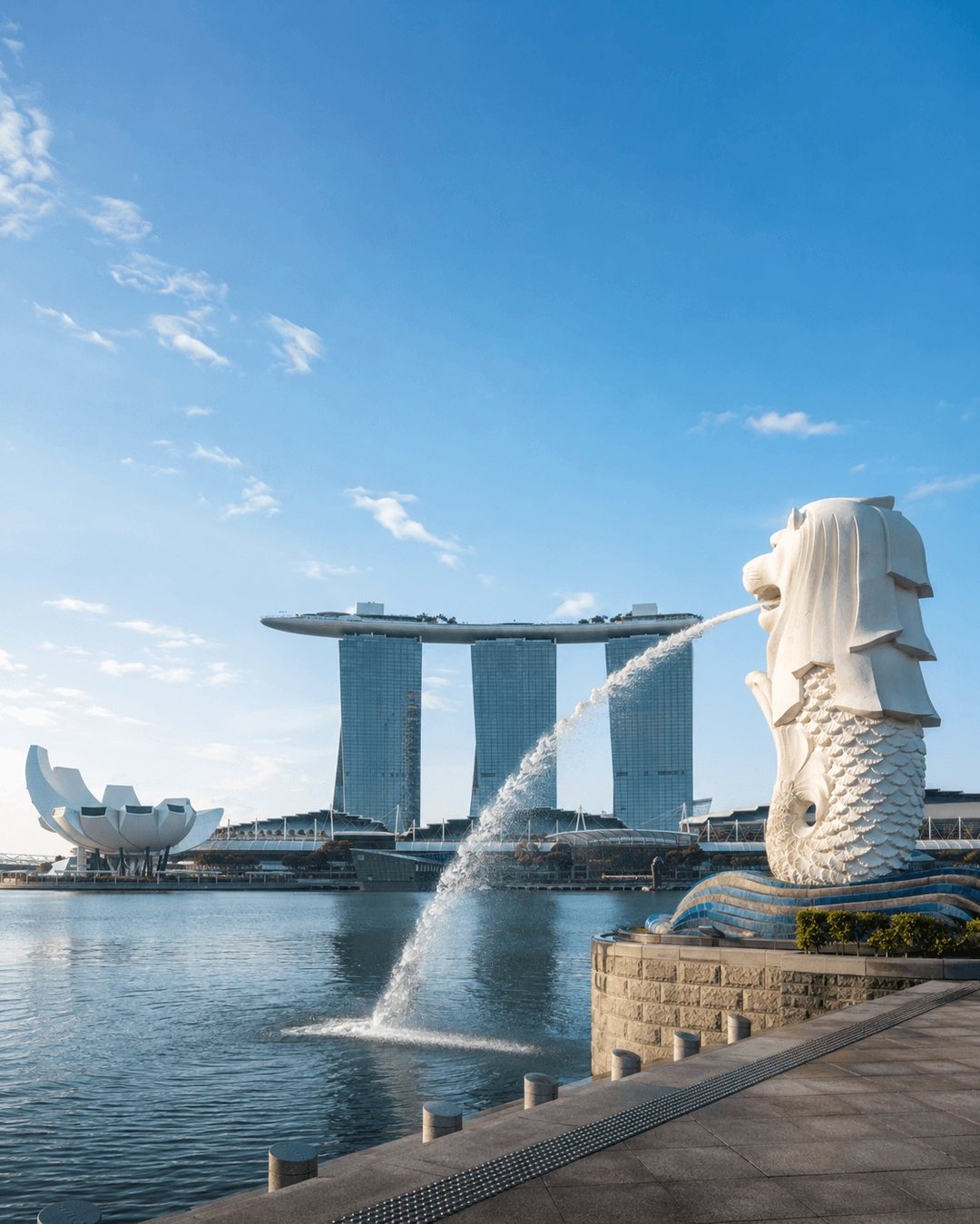
Shangri-La Hotel Singapore receives published, led by dining and restorative facilities, with service supporting the stay. Singapore’s operational ease can encourage a different kind of overreach. Because movement often feels intelligible, the traveller assumes that every hour can carry an appointment. The result may be efficient but emotionally flat: garden, gallery, lunch, shopping, drinks and dinner completed with admirable punctuality yet without the idle interval in which the city’s combinations become visible.
The better stopover uses efficiency to buy margin. Begin with one anchor—perhaps a garden and design day, a food route that moves between very different registers, or a waterfront sequence—and keep the transitions porous. A shaded detour, an unplanned coffee or a return to the room should not threaten the architecture of the itinerary. Singapore’s polish is most pleasurable when it eliminates friction without eliminating contingency. Time saved on movement belongs to the traveller; it does not have to be immediately reinvested in another booking.
Dining needs particular discipline because the city’s range can make every meal feel consequential. Choose one table that carries ambition and allow the others to perform different work. Breakfast might be quick, lunch exploratory and dinner close to the hotel after heat or travel has reduced appetite. The property’s food-and-drink strength becomes useful when it prevents prestige from dictating every evening. A stopover should contain contrast in scale as well as flavour. Not every meal must become the story guests are expected to tell later.
Restoration is equally practical. Humidity, time-zone change and the constant movement between cooled interiors and tropical streets can make a short day feel longer than it appears. A swim, a quiet room or an hour without decisions can restore precision to the evening. The final test is whether departure feels clean. If the bags are managed, the route to the airport is clear and the last meal has not been rushed, Singapore’s famous competence becomes more than spectacle. It becomes the condition that allowed attention to wander.
04Istanbul: choose one shore and cross with purpose
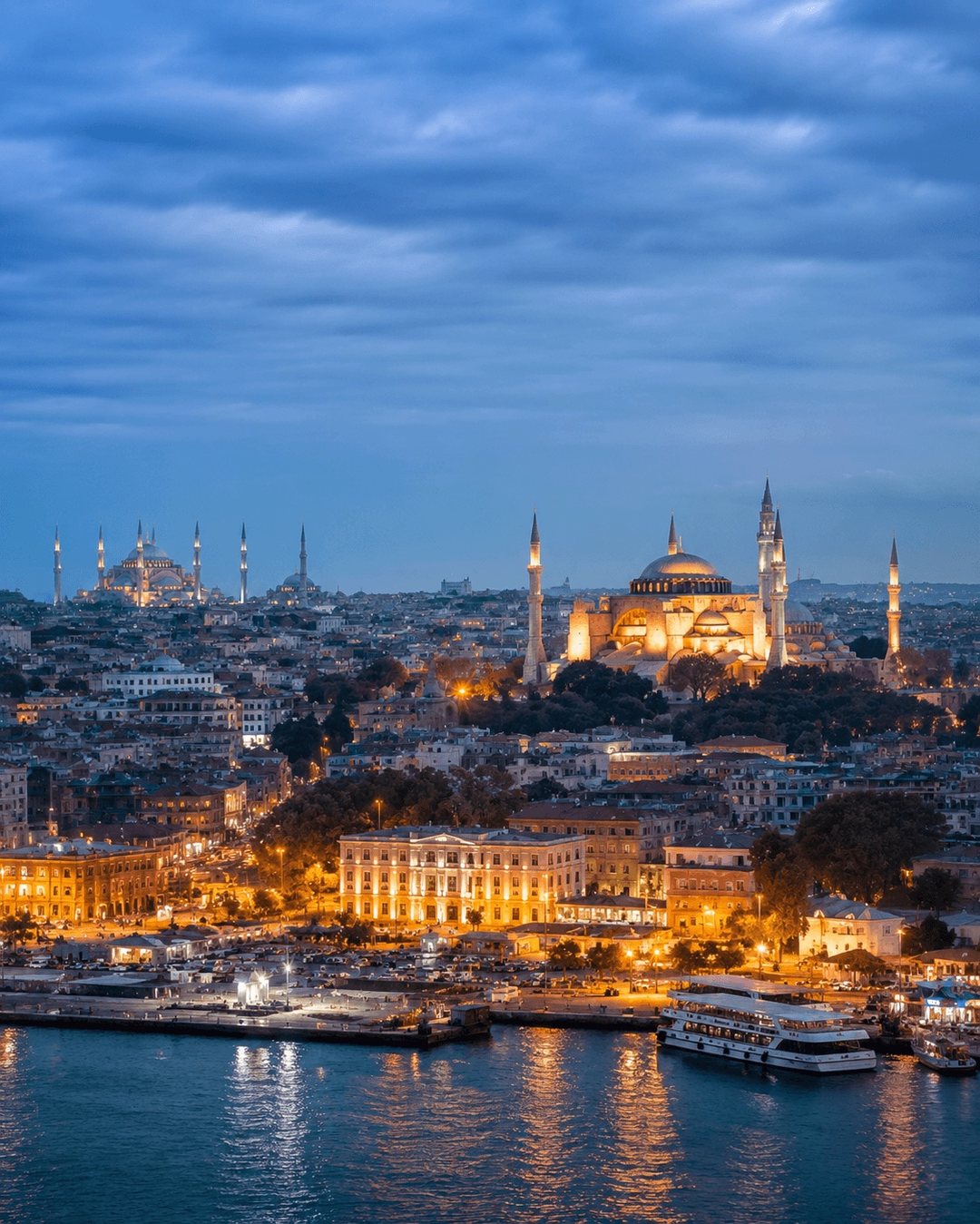
Vakko Hotel Sumahan Bosphorus holds published, with service and restorative facilities foremost in its record. A Bosphorus address immediately gives an Istanbul stopover a thesis: water is not scenery but orientation, separating and connecting the city at once. Yet the visual drama can obscure the practical question of which shore should hold most of the stay. In limited time, constant crossing is rarely proof of range. It is often the reason distinct neighbourhoods collapse into a sequence of vehicles and views.
Begin by committing to the geography around the hotel. Let breakfast establish the light and traffic on the water, then build the day outward along a coherent line. Cross only when the destination on the other side has enough weight to justify the movement. A ferry can be an essential Istanbul experience; three rushed crossings between reservations are simply poor editing. The city’s scale becomes pleasurable when each transition changes the atmosphere, not when it exists to satisfy a list assembled without regard to distance.
Service matters because the variables are real: road traffic, ferry timing, weather, the differing pace of districts and the seductive but inaccurate impression that everything visible across water is close. The best advice should be specific to the hour. It may turn a car into a boat, move a lunch or protect an afternoon at the hotel. Restoration then gives that protected time substance. Sitting still beside a working strait can reveal movement, commerce and domestic rhythm more clearly than another landmark reached in a hurry.
After dark, allow the city to narrow. One dinner, one route back and a room in which the day can end without administrative effort are enough. The stopover should not conclude with a final crossing undertaken because it was technically possible. Istanbul leaves a stronger impression when one wakes knowing which shore one inhabited, which passage changed the day and which part remains deliberately unknown. The Bosphorus is not a checklist’s obstacle. It is the compositional line that can turn limited hours into a story with depth.
05Doha: use restoration as part of the route
Al Messila Resort & VIP Spa receives published, with dining and wellbeing leading its case. Doha presents a stopover choice that should be made explicitly: remain close to the city’s cultural and waterfront sequence, or choose a restorative base that gives the hours between flights a different purpose. Neither model is automatically more authentic. Trouble begins only when the traveller books one and schedules as though staying in the other, creating repeated transfers that consume the calm the hotel was chosen to provide.
For a restoration-led stopover, the itinerary should be spare. Select one cultural anchor or one evening circuit, then allow the hotel to hold the hours around it. A proper lunch, sleep, a treatment or time by the water can be the centre rather than the gap. This approach is especially persuasive on the return leg of a complex journey, when the body may value resolution more than another dense introduction. Luxury travel does not always require forward motion; sometimes it lies in arriving home less depleted.
Dining performs strategic work because it removes an obligatory journey without reducing the evening to room service by default. The guest can choose formality or ease according to energy rather than geography. Still, the hotel should not erase Doha. One deliberate departure—to museums, waterfront or a district with public life—gives context to the retreat. The contrast makes both sides more legible. Without that excursion, restoration risks becoming placeless; without the retreat, a short stay can become another exercise in accomplishing the city under time pressure.
The airport transfer must be decided before the final night. A confirmed departure time and a clear luggage plan release the morning from calculation. Breakfast can then be slow, or sleep can continue without the clock repeatedly entering the room. This is the quiet triumph of a well-built stopover: operational facts stop demanding emotional attention. Doha does not need to function as an intermission between more important places. Given one outward chapter and one inward chapter, it can supply a complete change of register.
06The hotel must protect both edges of the stay
When comparing stopover hotels, ignore the longest amenity list and interrogate the first ninety minutes. How direct is the transfer at the actual arrival hour? Can food be found without advance choreography? What happens if the room is not yet ready, and can a shower or quiet place be used without negotiation? The answers reveal more than staged arrival rituals. A short stay has no spare opening day in which an operational failure can fade. The hotel must become competent before it has time to become charming.
Then examine the final three hours with equal seriousness. Packing, checkout, breakfast and the airport route should not occupy the entire morning as separate tasks. Good service compresses them into a sequence that feels almost pre-decided while preserving the guest’s control. A late checkout may be valuable, but only if it suits the flight; lounge access may matter more. The objective is not to extend possession of the room at any cost. It is to prevent departure from retrospectively filling the stay with tension.
Location should be measured against the chosen thesis. A central address is not convenient if the intended day belongs elsewhere, and an airport-adjacent hotel is not efficient if every meaningful hour requires a long return journey. Plot only the essential movements: airport to hotel, hotel to the day’s anchor, anchor back to hotel, and hotel to airport. If that shape is clean, optional excursions can remain optional. If it is already tangled, no concierge access or room upgrade will fully repair the underlying decision.
Finally, ask whether the property offers two credible versions of an evening. One should take the guest into the city; the other should allow the hotel to carry dinner and restoration with enough character that staying in does not feel like defeat. Jet lag will make the choice. Weather may make it. The traveller should not have to defend it. A hotel becomes luxurious in transit when it treats changed energy as normal and can adjust the scale of the experience without making the stay feel diminished.
07Leave with one unfinished thought
A successful stopover does not summarise a city. It establishes a relationship. Bangkok may remain the memory of a river morning and a meal taken without hurry; Singapore, the pleasure of tropical streets made spacious by operational ease; Istanbul, a single shore understood through the movement across it; Doha, the contrast between one outward cultural chapter and a deeply restorative return. These are partial views, but partiality is not superficial when it has been chosen with care.
The temptation to maximise comes from scarcity. With only one day, every unvisited place appears to be lost. In practice, the opposite is true. Overfilling converts scarcity into noise, while selection gives the limited hours contour. The traveller remembers the quiet breakfast before the city, the return at the hottest hour and the dinner whose timing was allowed to change. Luxury editing removes the experiences that would prevent those moments from being felt. What remains looks smaller on the itinerary and larger in memory.
This also changes the booking logic. The hotel is not a trophy acquired for one night, nor merely a bed positioned between flights. It is the device that regulates intensity. Service clears the edges, dining provides a flexible centre and restoration ensures the next sector does not inherit all the fatigue of the previous one. The best choice may be less famous than another address but more exact for the route. Precision, not prestige in isolation, is what allows a stopover to possess its own identity.
Leave before the city feels exhausted. Protect the final view rather than pursuing a last-minute substitute, and permit one question to remain unanswered: another neighbourhood, another shore, another meal, another season. The onward flight then feels like a departure rather than an escape from the schedule. A stopover has succeeded when it is remembered independently from the journey that contained it—and when returning would not mean repeating the same 36 hours, but beginning the larger conversation they deliberately left open.