The Best First Day at a Hotel Should Feel Unfinished
Rome, Florence, Taipei and Niseko show why a luxury arrival is measured by the decisions it removes, not the experiences it immediately adds.
Executive brief
The first day is not a miniature version of the trip. It is an adjustment in light, appetite and attention—and the hotel should give it room.
01Arrival is not an occasion; it is a condition
Hotels love the visible grammar of arrival: the door opened at the right second, the lobby framed for impact, the welcome drink placed within reach. These gestures can be graceful, but the traveller arrives carrying less visible facts. Sleep may have happened in fragments. Appetite may belong to another time zone. Clothing feels wrong for the weather and attention is too thin for a tour of six restaurants. The first day succeeds when the hotel reads condition before ceremony. It should solve the body’s immediate problems, then allow the destination to approach at a humane speed.
This is why no ambitious itinerary should begin at check-in. The first 24 hours need only three anchors: a room that works, one outward gesture and a dependable meal. Everything else can remain provisional. A neighbourhood walk may be more useful than a museum entered without concentration. Dinner downstairs may preserve the pleasure of a celebrated table on the following night. Luxury is not demonstrated by instant abundance. It appears in judgement—the confidence to offer less information, delay a decision and recognise that an unfinished first day can make the rest of the stay feel substantially larger.
02Rome: restoration should protect the appetite for the street
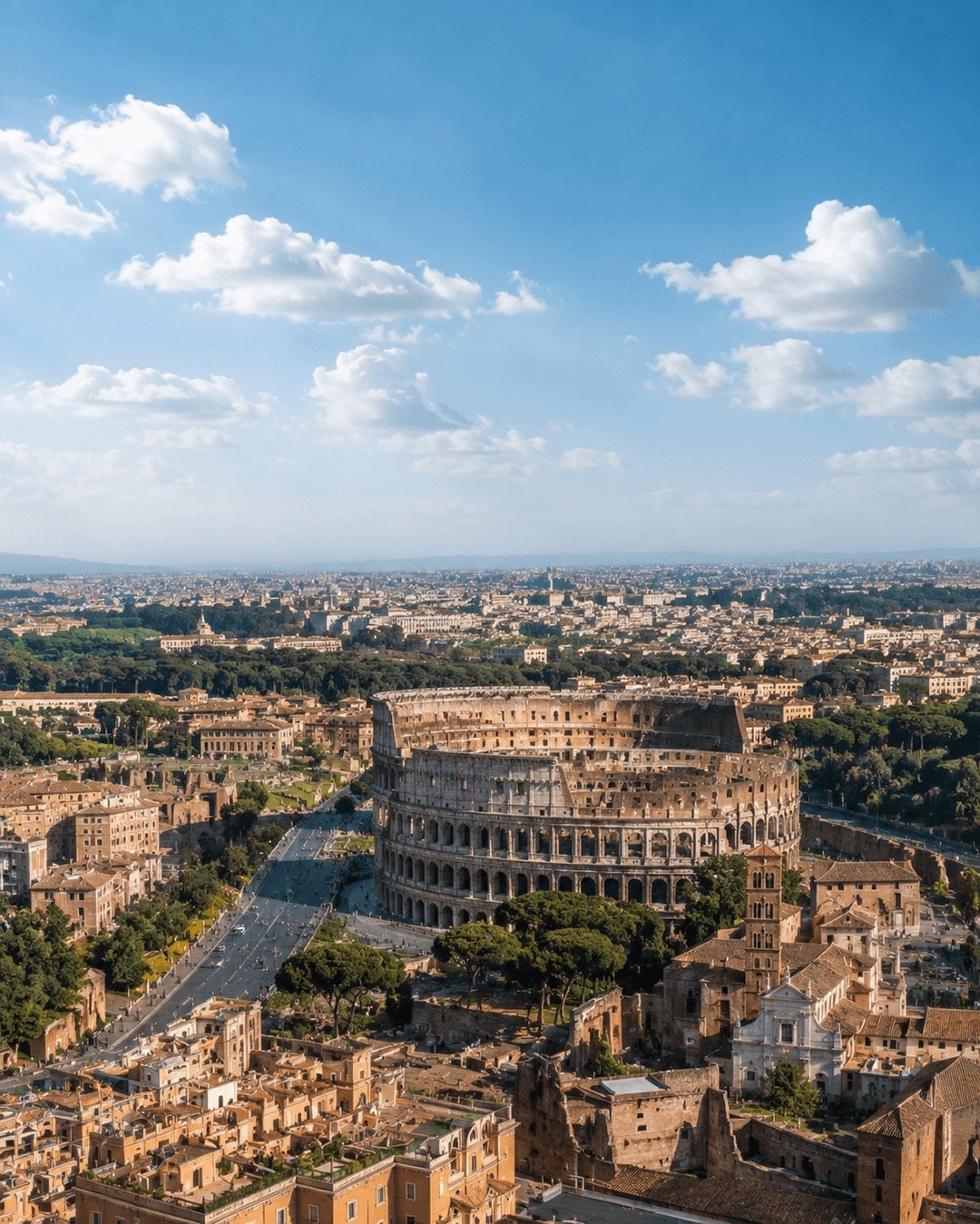
Six Senses Rome holds published, with service and dining leading its reviewed record. In Rome, those strengths should serve a city that can overwhelm the first-time visitor with immediate importance. The temptation is to step outside and begin collecting monuments before the suitcase has been opened. Resist it. Use the room, bathe, eat something proportionate and take one walk without a cultural objective. The city’s beauty is not scarce. It will survive an afternoon in which the traveller notices paving stones, traffic, church bells and the ordinary public life between famous addresses.
Restorative facilities are most valuable when they return the guest to Rome rather than offering an alternative to it. Schedule them at the hour when heat, crowds or jet lag would otherwise flatten attention. Then leave again for a single evening plan. The first dinner should be close enough that returning does not require strategy. By morning, breakfast can become the hinge between hotel and city: not a banquet that delays departure, but a measured beginning. A serious urban hotel knows that its success is visible in the energy with which guests cross the threshold outward.
Arrival is successful when the guest stops thinking about arrival before the hotel has finished taking care of it.
The World’s Best Travel Desk
03Florence: proximity can create its own pressure
Collegio alla Querce, Auberge Collection receives published, led by dining and restorative facilities. Florence is compact enough to make immediate immersion appear easy, yet proximity produces a subtler anxiety: if masterpieces are close, every idle hour can feel misspent. The hotel should interrupt that logic. On arrival, allow distance and elevation to establish perspective. A first view across the city can be more useful than entering it tired, because it turns the following day into a deliberate descent rather than a frantic beginning.
Choose one reservation for the first evening and make it cancellable. Appetite after travel is unreliable, and a luxury itinerary should have room to shrink without becoming disappointing. The property’s dining strength creates that flexibility. If the evening remains inside, it can still possess identity; if energy returns, Florence waits below. The next morning should begin with a clear geographic plan, not a list of institutions. Group what belongs together and preserve a return to the hotel before dinner. Compact cities punish overconfidence because walking distances accumulate invisibly beneath cultural ambition.
04Taipei: let service translate without enclosing
Capella Taipei stands at published, with food, drink and restorative facilities foremost. For an international arrival in Songshan District, the hotel’s first task is orientation. Service should make the city usable—an address written clearly, a route explained, a dinner choice calibrated to energy—without encouraging dependence on mediation. The first day is an ideal test. Can the guest leave with enough confidence to notice Taipei directly, rather than experiencing it through a chain of cars, confirmations and staff recommendations that never releases control?
Begin with a modest radius. Walk, eat one thing, learn the return and allow the district’s textures to replace the abstract city assembled before travel. The hotel can carry the later hours through dining and restoration, especially when humidity and time-zone change become more persuasive than ambition. By the next morning, service should move from explanation to refinement. The best arrival support makes itself less necessary with each hour. It does not withdraw care; it converts uncertainty into independence, leaving the traveller alert enough to recognise the city’s own systems of welcome.
05Niseko: the first day must respect the season
Higashiyama Niseko Village, a Ritz-Carlton Reserve holds published, with dining and service leading its case. A resort arrival in Nisekocho differs from a city check-in because weather and daylight set the terms. The guest may be eager to ski, walk or enter the landscape immediately, but equipment, conditions and accumulated travel require judgement. The hotel should distinguish between a useful first encounter and an activity undertaken merely because the day still contains hours. Sometimes the best opening is a fitting, a short outing and an early return.
Food and restoration then become part of preparation, not rewards after achievement. Dinner should rebuild the traveller without turning the evening into another event. Sleep matters because the following morning may contain the clearest weather or best snow. Ask for the next day’s information at one agreed time, then stop monitoring it. Resort service earns confidence when it filters changing conditions rather than transmitting every update. The first day should leave appetite for landscape intact. Exhaustion is not evidence that arrival was used well; it is often evidence that the hotel failed to edit enthusiasm.
06The room should answer jet lag without becoming the destination
Room selection on an arrival-led trip is an argument about recovery. Quiet, darkness, bathing and a layout that allows two travellers to keep different hours may be more valuable than the most cinematic view. Ask where morning light enters and what can be controlled. A west-facing room may support a late first sleep; an east-facing one may reset the body quickly. Neither is universally better. The useful room category is the one that supports the traveller’s actual direction of adjustment rather than the hierarchy suggested by square metres alone.
Technology should disappear into this process. Lighting must be understandable when attention is low, charging available without rearranging furniture and climate control responsive without instruction. These are ordinary demands, yet arrival exposes every failure. A room can be materially sumptuous and still require too much work. The first night is when intuitive design earns its rate. Guests should be able to bathe, darken the room, find water and sleep without learning a system. Complexity belongs in the operation behind the wall, not in the hand of the person who has just crossed several time zones.
By morning, the room’s role changes. It should release the guest rather than encourage a full day of recovery by default. Curtains open, coffee appears and the city or landscape becomes plausible. The hotel can offer a measured route, carry a bag or adjust a reservation, but it should not turn jet lag into a reason for enclosure. Arrival luxury is transitional. Its success lies in helping the traveller move from protection to curiosity without a visible change of machinery.
Travelling companions complicate the first day because bodies rarely adjust at the same speed. One person may need sleep while another needs movement; one may be hungry when the other cannot contemplate dinner. The room, restaurant and service culture should accommodate that divergence without forcing a joint decision. A walk alone, an early plate and a later drink can still belong to one shared arrival. Luxury is the permission to separate briefly without logistical penalty. When the hotel offers several low-friction ways to begin, companions can reunite with more patience and a clearer appetite for the trip they planned together.
Families need an equally flexible opening. Children may be alert at an inconvenient hour, while adults need enough calm to make the next day intelligible. Connecting space, food without ceremony and a nearby first excursion can matter more than access to the city’s most celebrated address. The hotel should make a small day feel complete. When arrival is scaled to the least-rested traveller, the entire party reaches the second morning with more freedom, and the ambitious parts of the itinerary regain their pleasure.
07A good first day disappears into the trip
The practical questions are simple. Can the room become dark at the wrong hour? Is food available when hunger arrives outside local convention? Will staff hold nonessential explanations until attention returns? Can clothing be pressed, luggage reorganised and the next transfer confirmed without turning the guest into project manager? These details rarely lead a hotel description, but they determine whether arrival remains a separate episode or dissolves into the stay. The most polished welcome is the one whose administrative work is remembered only through the absence of friction.
By the second breakfast, the guest should possess a usable sense of place and enough energy to revise the plan. That is the measure. Rome should feel possible rather than obligatory; Florence coherent rather than compressed; Taipei inviting rather than mediated; Niseko governed by conditions rather than a prewritten schedule. The best first day leaves something undone and removes any guilt about it. Travel acquires depth through recurrence—the second walk, the familiar route downstairs, the room understood after dark. Arrival is complete when those repetitions begin to feel more interesting than the opening spectacle.