The Best City Hotel Now Belongs to the Street
Le Grand Mazarin, JANU Tokyo and Jumeirah Marsa Al Arab make three very different cases for a hotel that edits the city without replacing it.
Executive brief
A convincing city hotel no longer wins by becoming a self-contained world. Its real value lies in deciding which parts of the destination to bring close, which pressures to keep outside and when to send the guest back through the front door.
01A city hotel is an argument about how to spend time
The old city-hotel fantasy was wonderfully simple: cross a famous threshold and allow the metropolis to become scenery. The lobby supplied the theatre, the suite the silence and the concierge a polished route through everything beyond. That model still has seduction, but it no longer answers the most interesting question. Travellers with limited days do not need a hotel to stand in for Paris, Tokyo or Dubai. They need it to make each city more legible. The room matters. The front door matters more.
A serious urban hotel therefore performs two contrary tasks. It reduces friction—luggage, sleep, breakfast, reservations, the return at an inconvenient hour—while preserving enough contact with the city for the stay to feel located rather than branded. Too little protection and the trip becomes work. Too much, and an international luxury system smooths three radically different places into the same scented corridor. The useful hotel sits between those failures. It is refuge, but also threshold.
The World’s Best 2026 records make the contrast unusually clear. Le Grand Mazarin holds published, with food, drink and restorative facilities at the front of its case. JANU Tokyo receives published, led by service depth and a convincing food-and-drink offer. Jumeirah Marsa Al Arab also holds published, with dining and restoration carrying equal weight. Theeditorial record identify strength. They do not make the three hotels interchangeable.
One is embedded in Paris, one must help a traveller master Tokyo’s scale, and one turns Dubai’s waterfront into a substantial part of the stay. Their common subject is not décor. It is permission: permission to leave quickly, to come back early, to spend an afternoon inside, or to invite the city into the hotel through a table and a public room. Luxury begins when those choices remain available without any one of them feeling like the wrong use of the rate.
Hotel
Le Grand Mazarin
Paris, FranceA distinctive address in Paris, France, defined above all by a convincing food-and-drink offer and its restorative facilities.
Open the record →Hotel
JANU Tokyo
Tokyo, JapanThis hotel in Tokyo, Japan draws its authority from the depth of its service system and a convincing food-and-drink offer.
Open the record →Hotel
Jumeirah Marsa Al Arab
Dubai, United Arab EmiratesAt Jumeirah Marsa Al Arab, strength in a convincing food-and-drink offer is matched by strength in its restorative facilities.
Open the record →02Paris: the hotel as a neighbourhood salon
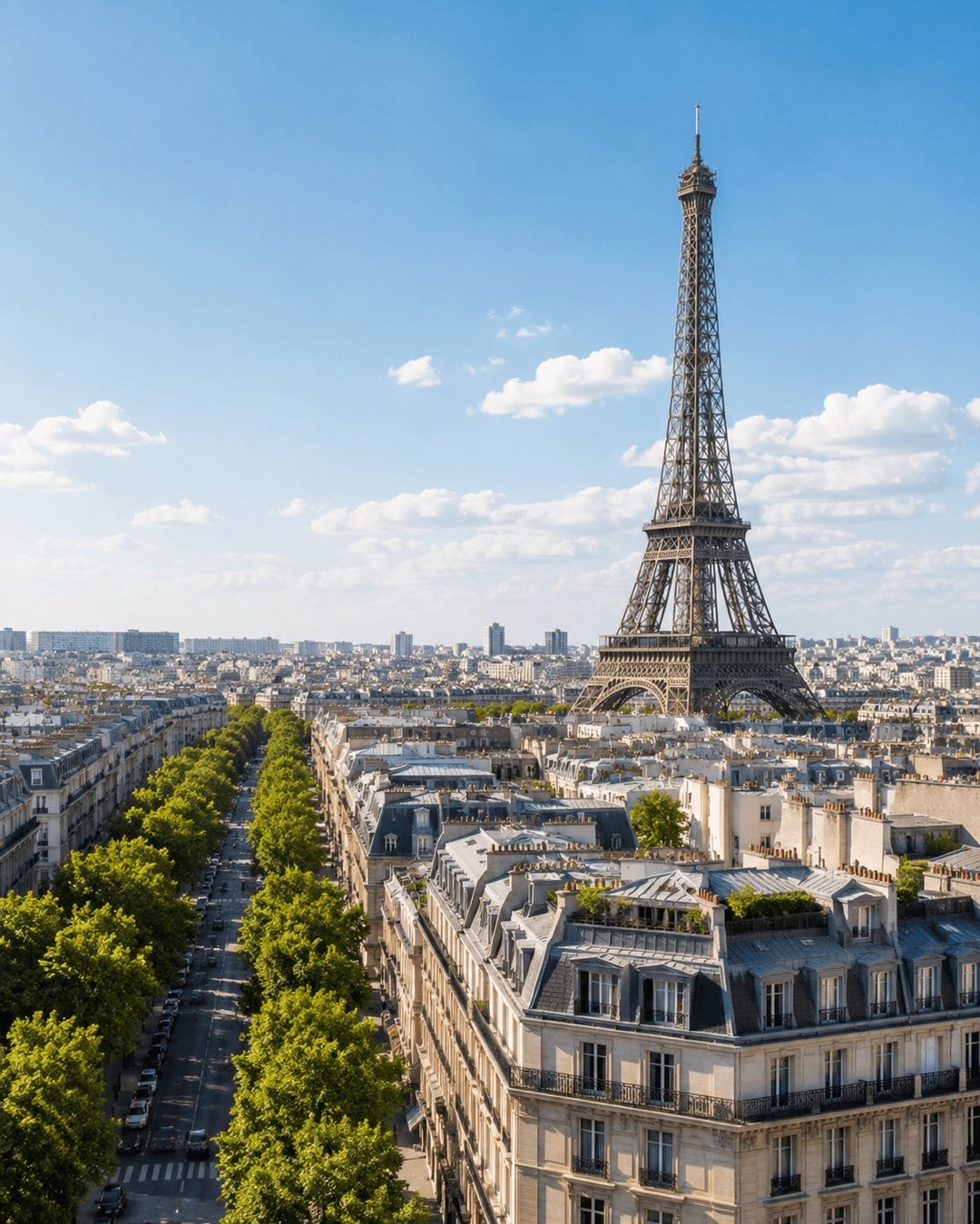
Le Grand Mazarin’s published record is exceptional, yet the more revealing fact is geographical rather than numerical: this is a Paris address. In a city where neighbourhood identity can determine the entire emotional temperature of a short stay, the hotel cannot rely on internal abundance alone. The morning outside must feel immediate. Lunch should not require a campaign. Returning for an hour before dinner should be plausible, not a defeat caused by crossing the city too many times.
That makes food, drink and restoration an intelligent combination of leading strengths. Dining gives the property a public pulse; restoration makes retreat worthwhile. Neither should become an excuse to stay inside by default. The ideal Paris hotel day moves in short breaths: coffee, street, museum or meeting, a pause behind the hotel door, then another departure. The address earns its place when these changes of register happen naturally and the guest never feels trapped between the ambition to see Paris and the desire to enjoy the room.
Paris is especially unforgiving of the feature-led booking. A long list of treatments, bars and room categories can look persuasive on a screen while obscuring the decision that matters: which Paris will be available on foot? A hotel should be chosen with the first ninety minutes of the day in mind. If the desired bakery, gallery, garden, office or dinner district sits within a coherent radius, service can refine the itinerary. If not, service spends its energy repairing geography.
Le Grand Mazarin’s editorial review supports a traveller who wants the hotel to participate in the day, not merely close it. The correct test is whether its strong internal life increases appetite for the neighbourhood. A bar should set up the evening, not replace it every night. A pool should rescue a hot or overextended afternoon, not become proof that Paris can be postponed. The most Parisian privilege is still the freedom to step outside without needing a plan worthy of the occasion.
The best city hotel does not compete with its destination. It gives the destination a usable shape.
The World’s Best Travel Desk
03Tokyo: service as orientation, not enclosure
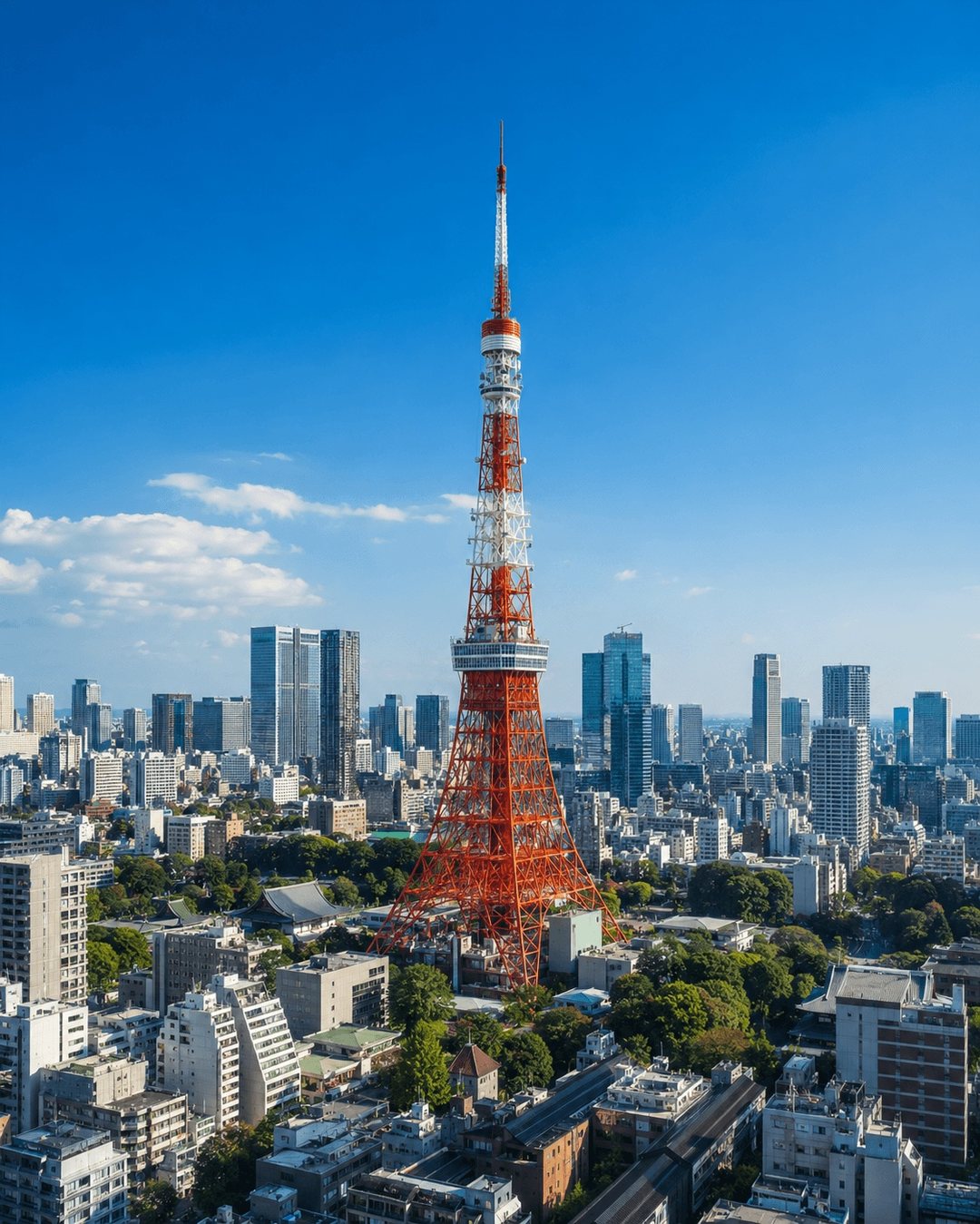
Tokyo changes the calculation because distance is not simply measured in kilometres. Stations have scale, rail lines have rhythms and an apparently small transfer can contain several decisions. JANU Tokyo’s published record begins with service depth, followed by food and drink. That order is meaningful. The most luxurious intervention may be a destination written clearly, luggage handled before the day begins, or a reservation checked without turning the guest into a passive passenger.
Service in Tokyo is most persuasive when it increases independence. The traveller should leave with confidence, not with a growing belief that every exchange requires mediation. A good hotel can translate uncertainty, distinguish a sensible taxi from a faster train, and understand when one more appointment will spoil the radius of a day. It should also recognise that the return is part of the route. Clear arrival, an easy transition upstairs and a bar that does not demand another performance can make a complex city feel generous.
The hotel’s food-and-drink strength offers another kind of orientation. On the first evening, it can spare a jet-lagged guest the anxiety of a tightly timed reservation. On a later night, it can provide a low-friction alternative after a day whose discoveries have already consumed attention. This is not settling for the hotel restaurant. It is using the property strategically. Tokyo has more than enough important meals; the itinerary becomes better when it distinguishes the dinner that anchors a day from the dinner that allows one to end.
JANU Tokyo and Le Grand Mazarin arrive at a similar result by different means. Paris rewards immediate walking and recurrent return. Tokyo rewards an intelligently defined radius and confidence in movement. In both, the hotel fails if its polish becomes insulation. The traveller should be able to notice the city’s ordinary competence—deliveries, commuters, small counters, the exact courtesy of a shop—and bring that perception back to the hotel. The stay gains depth through circulation.
04Dubai: when the waterfront becomes one of the destinations
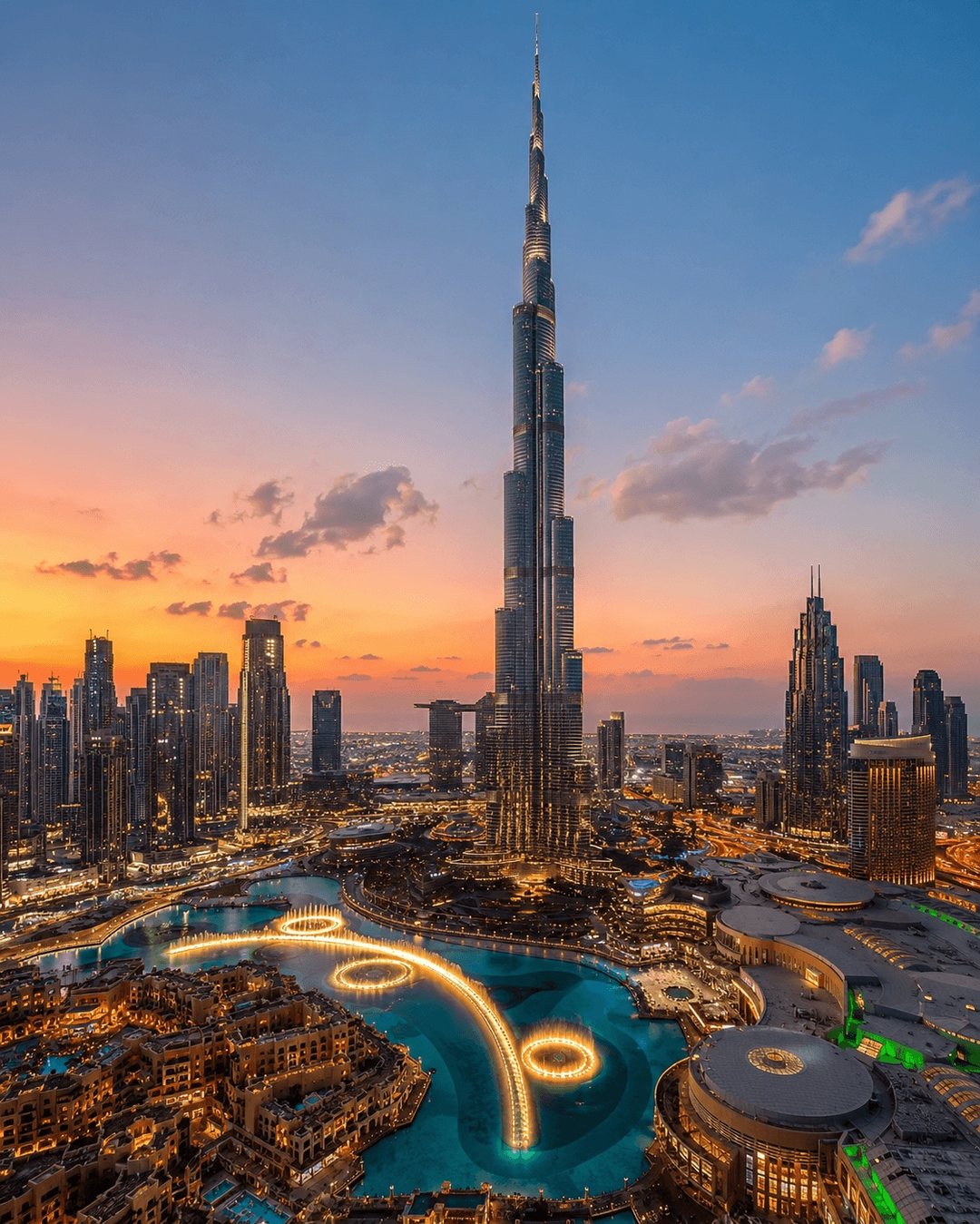
Dubai’s geography makes the self-contained hotel more tempting. A broad waterfront, strong dining and restorative facilities can sustain a complete day, and Jumeirah Marsa Al Arab’s published record recognises precisely those strengths. The mistake is not spending time at the hotel. The mistake is pretending that a hotel day and a city day are the same proposition, then filling both with long transfers in order to prove range.
A Dubai itinerary improves when each day is assigned a clear geography. If the morning belongs to the coast, let it belong there. Protect the swim, the late breakfast and the hours when shade feels more intelligent than motion. A city appointment or destination dinner can take over later, but it should be important enough to justify the crossing. The hotel’s value lies partly in making the waterfront a real chapter rather than a decorative backdrop glimpsed between car doors.
This is where the phrase ‘city hotel’ becomes usefully elastic. Jumeirah Marsa Al Arab is not an urban base in the compact European sense, and it should not be judged as one. It is a waterfront world connected to a city of several centres. The traveller must decide how much of the trip should happen within that world and how often to leave it. The honest answer may be less often than the first draft of the itinerary suggests.
A strong resort-like city hotel can still belong to the street, but the relationship is episodic rather than continuous. Paris may enter through the front door all day. Tokyo may be encountered along a carefully chosen rail axis. Dubai often arrives in deliberate transitions: coast to central corridor, old trading districts to new dining rooms, private shade to social evening. Luxury is the ability to preserve the contrast, not to compress it into a breathless tour.
05The new service test is discretion with a point of view
The modern city traveller is often described as wanting personalisation. The word has become so loose that it can mean anything from remembering a pillow preference to sending a stream of suggestions before arrival. What matters more is editorial judgement. The hotel should know which questions deserve an answer, which requests require confirmation and when to leave an hour untouched. Constant attention is not the same as care. A guest can be recognised without being managed.
Discretion also means resisting the itinerary as a display of access. A concierge with serious local knowledge should be able to say that two celebrated reservations make a poor pairing, that a private car is unnecessary for a direct journey, or that the best response to a late arrival is dinner downstairs. This kind of advice may reduce the number of premium experiences purchased. It increases trust, which is the more durable luxury.
The three hotel records point toward that standard from different directions. Le Grand Mazarin’s dining and restorative strengths can create a Paris pause with personality. JANU Tokyo’s service depth can turn complexity into confidence. Jumeirah Marsa Al Arab’s food, drink and restoration can make staying by the water a positive decision rather than an interval before the city resumes. None needs to promise every possible version of luxury. Each needs to understand the version its geography can deliver best.
There is a practical consequence for booking. Ask fewer questions about the total inventory of amenities and more about how the hotel handles transitions. What happens with an early arrival? Can a room preference be explained in terms of sleep rather than prestige? How long does the intended dinner transfer take at the intended hour? Is the restaurant useful on the first night? Can the spa or pool fit a real afternoon instead of a brochure day? Answers reveal the operation behind the image.
Hotel
Le Grand Mazarin
Paris, FranceA distinctive address in Paris, France, defined above all by a convincing food-and-drink offer and its restorative facilities.
Open the record →Hotel
JANU Tokyo
Tokyo, JapanThis hotel in Tokyo, Japan draws its authority from the depth of its service system and a convincing food-and-drink offer.
Open the record →Hotel
Jumeirah Marsa Al Arab
Dubai, United Arab EmiratesAt Jumeirah Marsa Al Arab, strength in a convincing food-and-drink offer is matched by strength in its restorative facilities.
Open the record →06Choose the radius before the room category
The most reliable city-hotel decision begins with a map stripped of hotel names. Mark the fixed points: meetings, museums, meals, friends, a district that matters for reasons no algorithm can infer. Then decide which of those points should sit near the hotel and which are worthy of a dedicated journey. Only after that should the room, view, pool and breakfast enter the comparison. This order prevents a beautiful property from imposing an inefficient trip.
In Paris, a walkable radius can be the highest-value upgrade. In Tokyo, access to the right part of the network and a manageable final approach may matter more. In Dubai, the choice is often between committing to the coast and committing to the city’s central axes, with one or two deliberate crossings. The same traveller can make three different decisions because luxury is contextual. Consistency of standard does not require consistency of hotel type.
Room selection should follow the same discipline. A category is useful if it protects the trip: a layout that gives two people separate rhythms, quiet for a working morning, light that makes an afternoon inside appealing, or a view that genuinely belongs to the destination. Paying for space that will remain empty while every day runs from dawn to midnight is not indulgence. It is a mismatch between hotel and itinerary.
Finally, preserve the right to revise. Weather, fatigue and appetite will alter the city. A hotel chosen only for the original schedule can become inconvenient the moment that schedule softens. A hotel with a strong public life, reliable service and a convincing reason to stay for several hours gives the trip resilience. It does not eliminate uncertainty; it makes uncertainty easier to enjoy.
Hotel
Le Grand Mazarin
Paris, FranceA distinctive address in Paris, France, defined above all by a convincing food-and-drink offer and its restorative facilities.
Open the record →Hotel
JANU Tokyo
Tokyo, JapanThis hotel in Tokyo, Japan draws its authority from the depth of its service system and a convincing food-and-drink offer.
Open the record →Hotel
Jumeirah Marsa Al Arab
Dubai, United Arab EmiratesAt Jumeirah Marsa Al Arab, strength in a convincing food-and-drink offer is matched by strength in its restorative facilities.
Open the record →07The front door remains the defining amenity
The city hotel’s future is not smaller, larger, more digital or more ceremonious in any universal sense. It is more exact about the relationship it offers. Le Grand Mazarin can make Paris feel close and recurrent. JANU Tokyo can make a vast city feel navigable without reducing its complexity. Jumeirah Marsa Al Arab can give Dubai’s waterfront enough substance to justify a day, then connect that day to the city by contrast.
Their editorial reviews matter because they establish current strength within The World’s Best record. The editorial choice begins after theeditorial record. Who needs a neighbourhood to unfold immediately? Who values orientation and service in a city whose systems reward preparation? Who wants water, restoration and dining to hold the hottest or least scheduled hours? These are not secondary lifestyle questions. They determine whether the hotel will feel intelligent after the first impression has passed.
The best city hotel does not ask the guest to admire it continuously. It edits noise, protects sleep, sharpens appetite and keeps the destination within reach. Sometimes the city enters through a crowded bar or a restaurant with its own local audience. Sometimes it remains outside for an afternoon while the traveller recovers. The relationship can change by the hour, which is precisely the point.
At the end of a successful stay, the most memorable hotel gesture may not have happened inside at all. It may have been a route simplified, a bad idea gently removed, a morning released from logistics or a door opened at the moment the city felt possible again. The grand lobby will survive. So will the suite. But the defining luxury is movement between them and the world beyond.
Hotel
Le Grand Mazarin
Paris, FranceA distinctive address in Paris, France, defined above all by a convincing food-and-drink offer and its restorative facilities.
Open the record →Hotel
JANU Tokyo
Tokyo, JapanThis hotel in Tokyo, Japan draws its authority from the depth of its service system and a convincing food-and-drink offer.
Open the record →Hotel
Jumeirah Marsa Al Arab
Dubai, United Arab EmiratesAt Jumeirah Marsa Al Arab, strength in a convincing food-and-drink offer is matched by strength in its restorative facilities.
Open the record →